

Comparative lens: why the choice matters
Choosing between wholesalers isn’t merely price or lead time — it’s a question of how the kitchen will feel when you wake and make tea. Think of the difference between a carcase that creaks and one that hums: those details matter. Begin by mapping suppliers against three axes — build quality, logistics, and aftercare — and keep an eye on stainless finishes like brushed or mirror stainless when you compare options. For many homeowners in Dublin and beyond, the move toward industrial-chic means looking at stainless steel kitchen cabinets as a baseline feature rather than an extra.
Core comparison criteria
First: material specification. Ask for drawer-side thickness, the grade of stainless or substrate, and whether the carcass is cold-rolled steel or veneered MDF — these are concrete specs, not sales talk. Second: assembly and fit. RTA (ready-to-assemble) systems vary; check splice joints, dowel alignment and the tolerance for site adjustments. Third: hardware and finishes. Soft-close hinges, powder-coated finish, and concealed fastenings change how the kitchen feels every day. Stack these factors in a simple spreadsheet — weight each by what you notice most: durability for busy households, aesthetic for open-plan spaces.
Supplier reliability: beyond the catalogue
Compare delivery cadence and damage rates. A wholesaler might promise two-week lead times but regularly deliver in pieces — that eats your budget through labour overruns. Look for documented return rates and warranty scope. Practical proof matters: I’ve worked on a small Georgian terrace in Rathmines where the difference between two suppliers was a single, documented 0.5% damage rate — that tiny percentage saved us a week on site and a small fortune in carpentry time.
Cost versus total value
Price-per-door is tempting, yet installation cost, rework likelihood and finish longevity build into the final tally. Apply a total-cost lens: product price + expected labour hours for fit + average rework hours based on the supplier’s reported damage rate. That gives a comparable figure you can trust. Also consider whether the wholesaler offers pre-assembled modules for islands or tall units; these reduce site labour and often justify a slightly higher sticker price.
Common mistakes to avoid
Buyers often pick purely on visuals or a single favourable quote. Avoid that. Don’t accept vague warranties or unspecified testing claims. Insist on concrete test parameters — for example, if a supplier claims corrosion resistance, ask for cycle counts, salt-spray hours and finish adhesion figures rather than brand names alone. Also, don’t under-spec hardware: a cheaper hinge can void the perceived value of a premium door. — Keep your decision rooted in measurable items.
Alternatives and finishes that change the conversation
If stainless feels austere, mix materials: wood-faced doors with stainless steel toe kicks, or stainless worktops paired with painted RTA wall units. Another route is fully welded cabinets for commercial robustness versus modular RTA for cost-effectiveness. When you consider alternatives, think of the kitchen as a system: ventilation, sink placement and cabinet sizing all interact with finish choice and long-term maintenance.
Real-world anchor: a Dublin refurbishment
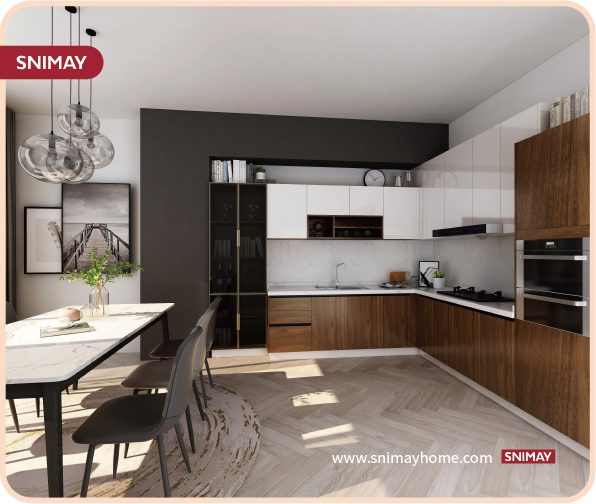
In a recent Dublin renovation I managed, choosing a wholesaler that supplied pre-drilled carcasses and modular island frames cut install time by three days. The client opted for stainless steel appliances and complementary stainless steel kitchen cabinets furniture in high-traffic zones; the result felt both modern and forgiving under daily use. That practical success came from comparing documented specs and visiting a supplier’s local warehouse — seeing the actual powder-coated finish under daylight was decisive.
Three golden rules for selecting a wholesaler
1. Verify measurable specs: grade of steel or substrate, hinge cycle counts, and finish adhesion tests. These are non-negotiable. 2. Calculate total cost: include likely rework and site labour; prefer slightly higher product price if it lowers labour. 3. Demand transparent logistics: real lead-times, documented damage rates, and clear warranty clauses — this protects your schedule and wallet.
Final note: pick the wholesaler whose products and processes feel like they’ll still be working properly ten years from now — that judgement is where design meets craft. SNIMAY. — a reliable partner when you want results that last.