

When durability becomes the bottleneck
Many sign projects start with a clean design and a tight deadline—and then weather and coastal salt win. The practical problem is clear: finishes that look great in the shop often fail sooner than expected in field conditions, driving up maintenance and replacement costs for outdoor sheet metal signs. Real-world testing that follows ASTM protocols and observations from coastal installations like San Diego show corrosion and UV degradation accelerate without the right finish. That’s why mixing powder coating with anti-UV anodization, and checking mean time between failures (MTBF), matters for long-term value when you specify laser cut sheet metal signs.
How coatings and anodization change the MTBF picture
MTBF is a practical metric: it estimates the average operable life before a failure mode appears. Powder coating adds a thick, durable layer that resists chips and chemicals, while anti-UV anodization hardens the aluminum surface and reduces chalking. Together they protect the substrate and extend MTBF in salty, sunny, or industrial atmospheres. Use simple metrics—coating thickness (microns), adhesion rating, and UV fade delta—to translate lab results into expected service years. These metrics give you a defensible forecast instead of a gut call.
Manufacturing focus: laser cutting, prep, and the common mistakes
Production choices directly affect longevity. Poor surface prep traps contaminants and undermines both powder coating and anodized layers. Laser cutting creates clean edges but can leave heat-affected zones; proper deburring and etch cleaning are non-negotiable. Mistakes I see often: skipping conversion coating before anodizing, uneven powder coverage on deep recesses, and using the wrong cure schedule. These errors reduce adhesion and cut MTBF—so clamp process control early and document setpoints.
What tests actually predict field life
Lab tests don’t guarantee exact years in the field, but they reveal trends. Salt spray (ASTM B117) highlights corrosion resistance; cyclic UV and moisture tests show fade and blistering risk. Track failure modes—corrosion at joints, coating delamination, or substrate pitting—and log time-to-failure across sample batches. Correlate those results with installation zones (urban, coastal, industrial) to produce a more accurate MTBF model. This approach turns generic specs into actionable probabilities.
Balancing cost, appearance, and service life
Buying cheap finishes can be false economy. Higher upfront cost for combined powder coating and anti-UV anodization normally lowers lifecycle expense by reducing replacements and emergency repairs. Consider lifecycle cost per year rather than sticker price. Also weigh maintenance access and fastening details; a well-sealed fastener is as crucial as a thick finish. Small design choices change MTBF more than small increases in coating thickness.
Three golden rules for selection and specification
1) Define target MTBF per environment: set numeric goals for coastal, urban, and sheltered sites. Use those goals to back into required adhesion, coating thickness, and anodization class.
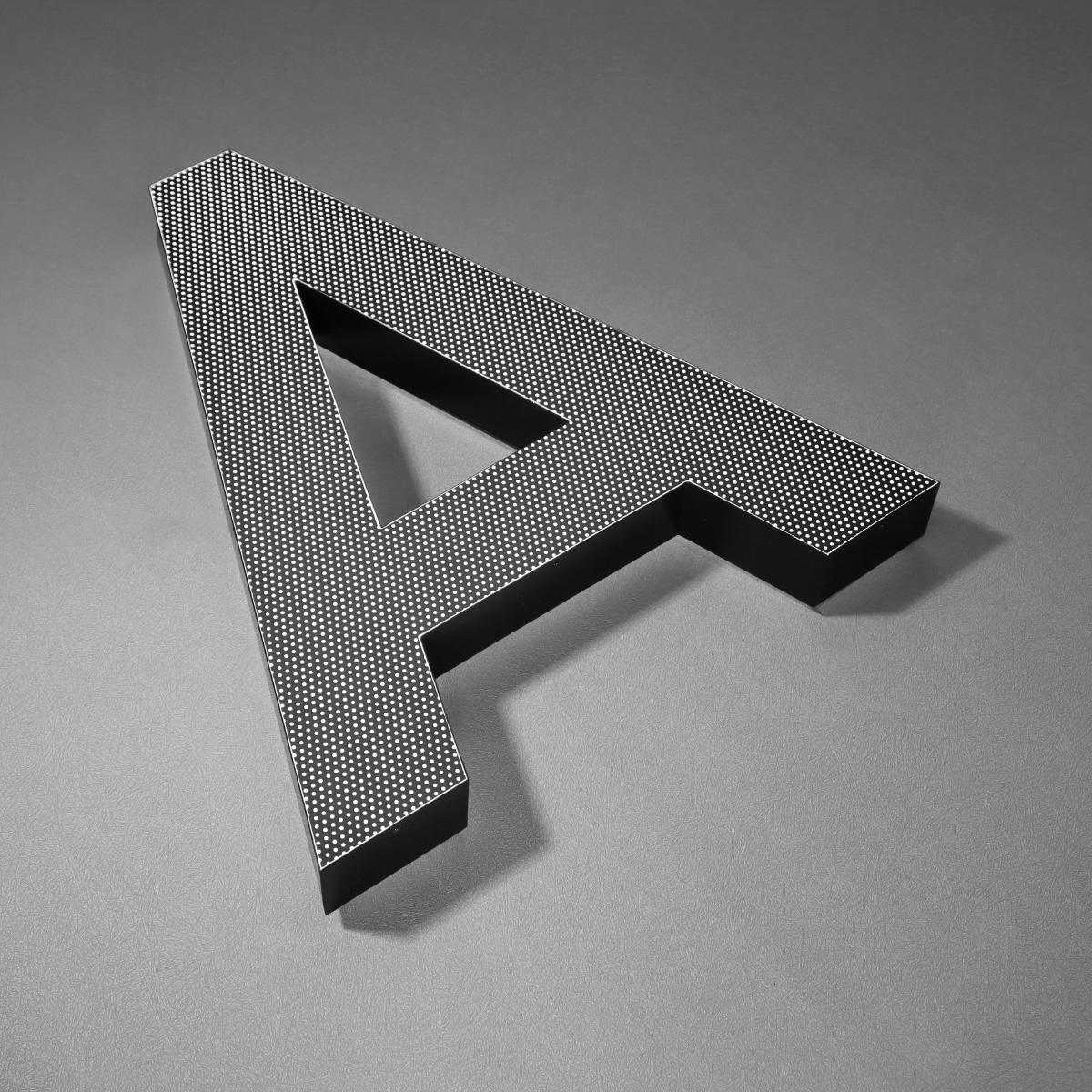
2) Require documented testing and batch traceability: batch-level salt spray and UV exposure reports plus process logs for laser cutting and heat treatment reduce surprises on installation day.
3) Inspect interfaces and fasteners as part of the spec: protect joints, specify marine-grade hardware where needed, and require end-of-line inspection photos before shipment.
These rules produce measurable outcomes—less call-backs, clearer warranty claims, and a predictable replacement schedule. For practical projects, that predictability is the value metric.
Cosun Sign often integrates coating and fabrication controls so clients get MTBF projections matched to real site risks—good work, fewer surprises. —