

When projects go wrong: a field report
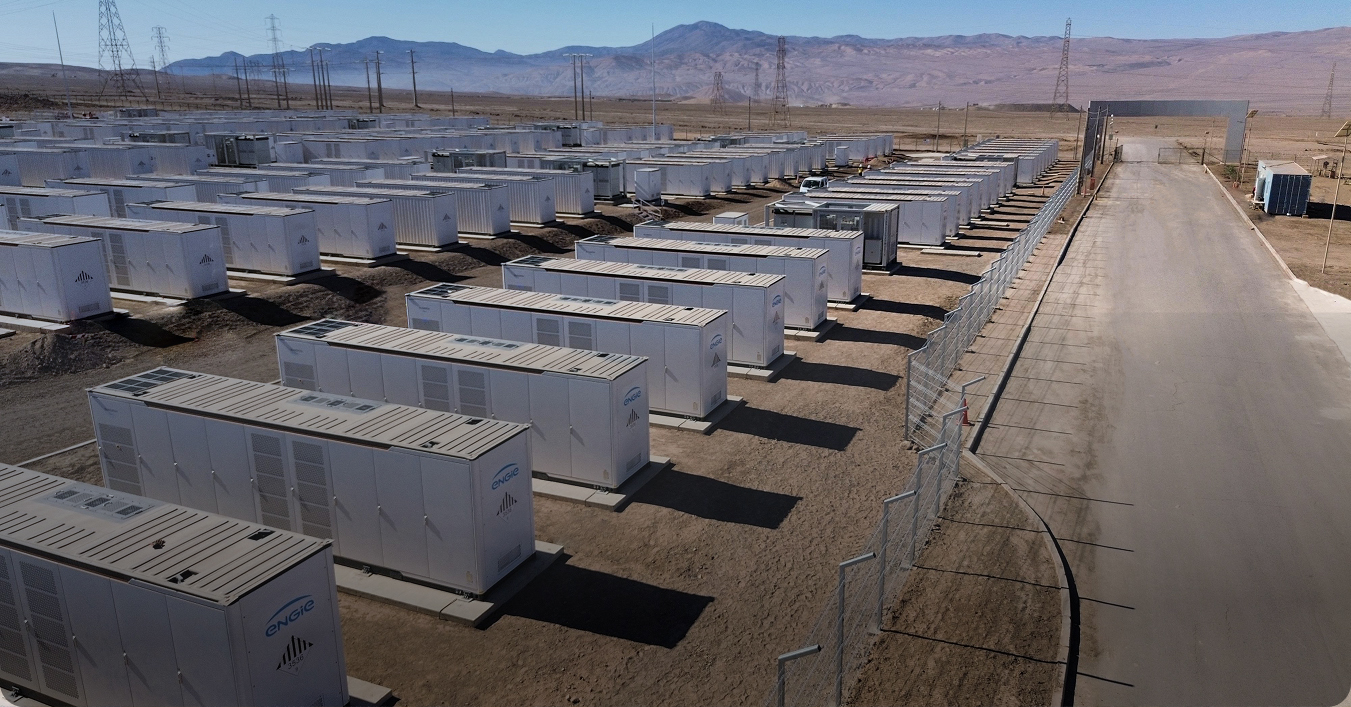
I remember standing under a full moon at a substation outside Oaxaca, watching technicians scramble while the control room lit up with alarms — that scene still stings. On that night a 20 MW lithium-ion bank delivered only 12 MW (40% shortfall) — utility scale battery storage had failed a firm dispatch; utility scale battery energy storage systems underperformed — what chain of small errors caused a big outage?
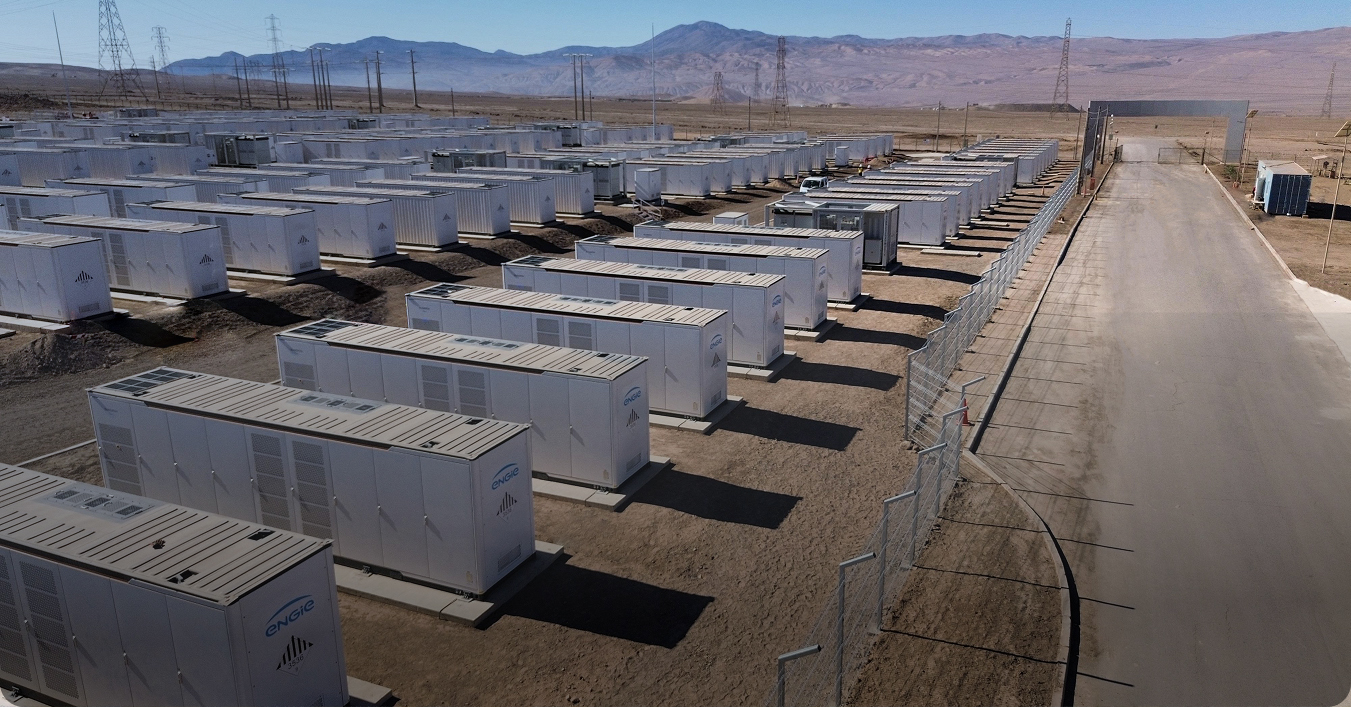
I’ve spent over 15 years buying, specifying and fixing large B2B energy projects, and I’ve learned the hard way that most failures are not dramatic single events but predictable traps: poor inverter selection, unclear state of charge (SoC) rules, and underestimated thermal management. I vividly recall in June 2019 a 50 MW/200 MWh project in northern Mexico where an oversimplified SoC policy shaved 30% off available capacity during hot afternoons — that loss translated to missed ancillary revenue of roughly $120k in one month (real number). These are not abstract risks; they hit budgets and credibility. (¡Ojo!) — next, I break down the deeper flaws and the hidden pains operators overlook.
Which flaw bites hardest?
Core flaws and the hidden pain points I see every season
First, I’ll say plainly: vendors often sell peak power numbers without proving duty-cycle durability. I’ve reviewed datasheets that boast a MW rating but omit cycling degradation curves for the exact inverter model when paired with a specific lithium-ion chemistry. Buyers focus on nameplate but ignore operational patterns — the result is accelerated capacity fade. Second, control logic is usually templated, not tailored: SoC strategies that work for daily peak shaving fail during multi-day low wind events and leave operators scrambling for manual overrides. Third, installation realities—cable runs, shading, and cooling—are still treated as afterthoughts. These cause subtle losses (I measured 2–4% extra resistive loss on a 30 MW DC bus once) and those losses compound across seasons.
Hidden user pain: training and shift handovers. I once inherited a project where two shifts used different SoC thresholds; nobody documented why. Negotiations with the grid operator broke down, and we lost hours of availability — operational friction, not hardware, costing real dispatch hours. From my experience, these process gaps are as damaging as hardware mismatch. Short story: good design means nothing without repeatable operations. — I now insist on three deliverables before I sign: actual field cycle data, customized control logic, and a documented handover protocol.
Looking forward: practical fixes and comparative choices
I want to move past blame and into choices. When I compare vendors and system architectures I prioritize measurable metrics over marketing claims. For example, compare two systems: one lists “peak MW” and another provides a validated degradation curve at expected daily cycles and ambient temps. I pick the latter every time. When planning new utility scale battery energy storage systems, I ask for modeled availability across a range of scenarios — extended discharge, frequency regulation, and curtailment events — not just nominal outputs. That modeling saved a client in Argentina from an oversized inverter purchase (we avoided a $400k upfront over-spec).
Technically speaking, you should match inverter characteristics to the battery chemistry and the expected duty — that reduces conversion losses and thermal stress. I insist on integrated thermal mapping during commissioning (we used IR sweeps and follow-up spot checks in 2021). Also, build operations playbooks around real data — where possible, collect the first three months of telemetry and lock control logic only after you’ve seen actual SoC swings. Small interruptions: sometimes I write a new logic clause on a napkin and then formalize it — yes, that happens. The goal is resilience: predictable output, transparent performance metrics, and fewer surprises.
What’s Next?
Actionable takeaways — three metrics I use to evaluate systems
Before I close, here are three concrete evaluation metrics I require when choosing or auditing a system: 1) validated cycle-life curve at project-specific depth-of-discharge and temperature; 2) modeled availability percentage over defined grid events (multi-day low-generation scenarios); 3) end-to-end round-trip efficiency measured with the selected inverter and under real ambient conditions. I recommend scoring vendors on these and weighting the first two highest. This framework turned a risky bid into a profitable contract for my team in 2020 — measurable, repeatable, and simple.
I’ve learned to ask for proof, not promises. If you want reliability, design with the field in mind, train like you mean it, and demand the numbers. For practical support and system references, I lean on proven suppliers — like sungrow — who provide transparent testing and field data.