

Problem statement and context
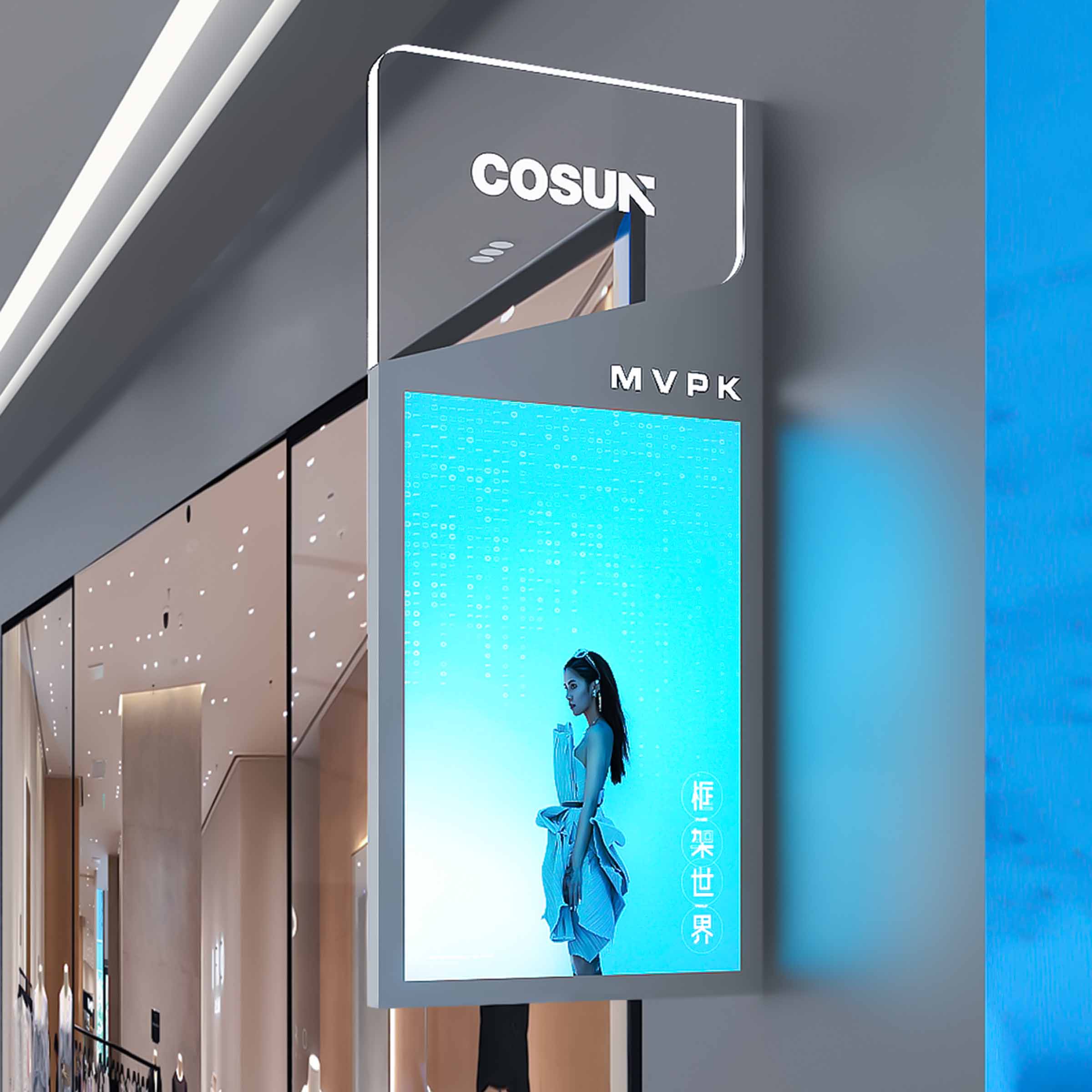
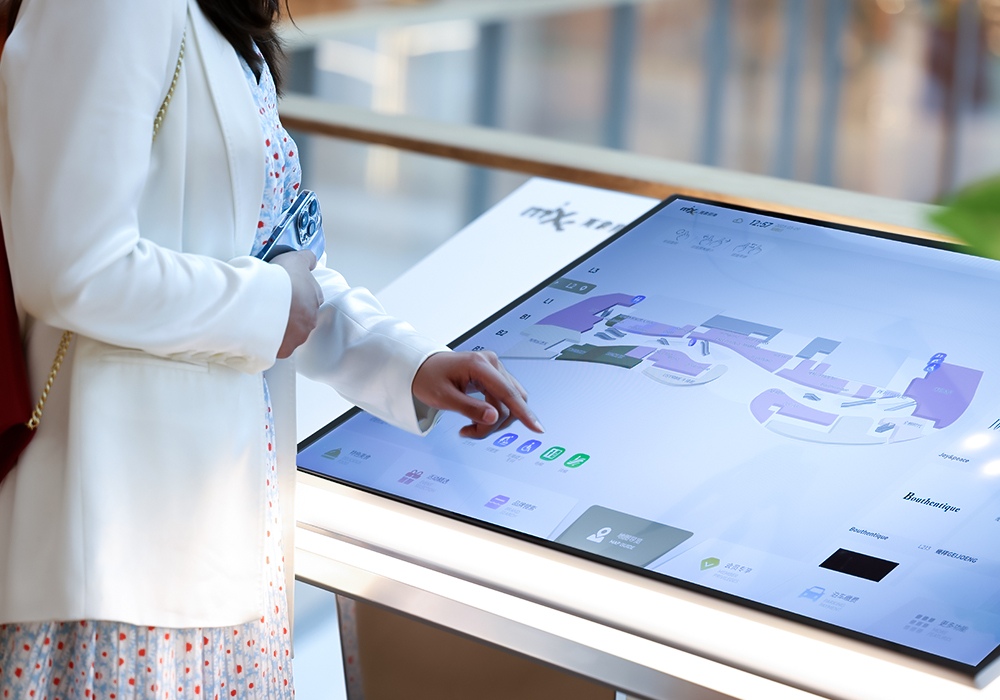
Large corporate parks deploy extensive interactive kiosks and LED displays for visitors, tenants, and maintenance teams. When feeds run long distances from a single transformer, voltage drop erodes display brightness, corrupts touch sensors and causes intermittent reboots. This is a problem for high-traffic environments — think major destinations such as Mall of America, which draws tens of millions of visitors annually — and for any campus that relies on uninterrupted digital wayfinding. For practical installations, consult a proven shopping mall signage approach that anticipates power delivery challenges.
How voltage drop undermines wayfinding hardware
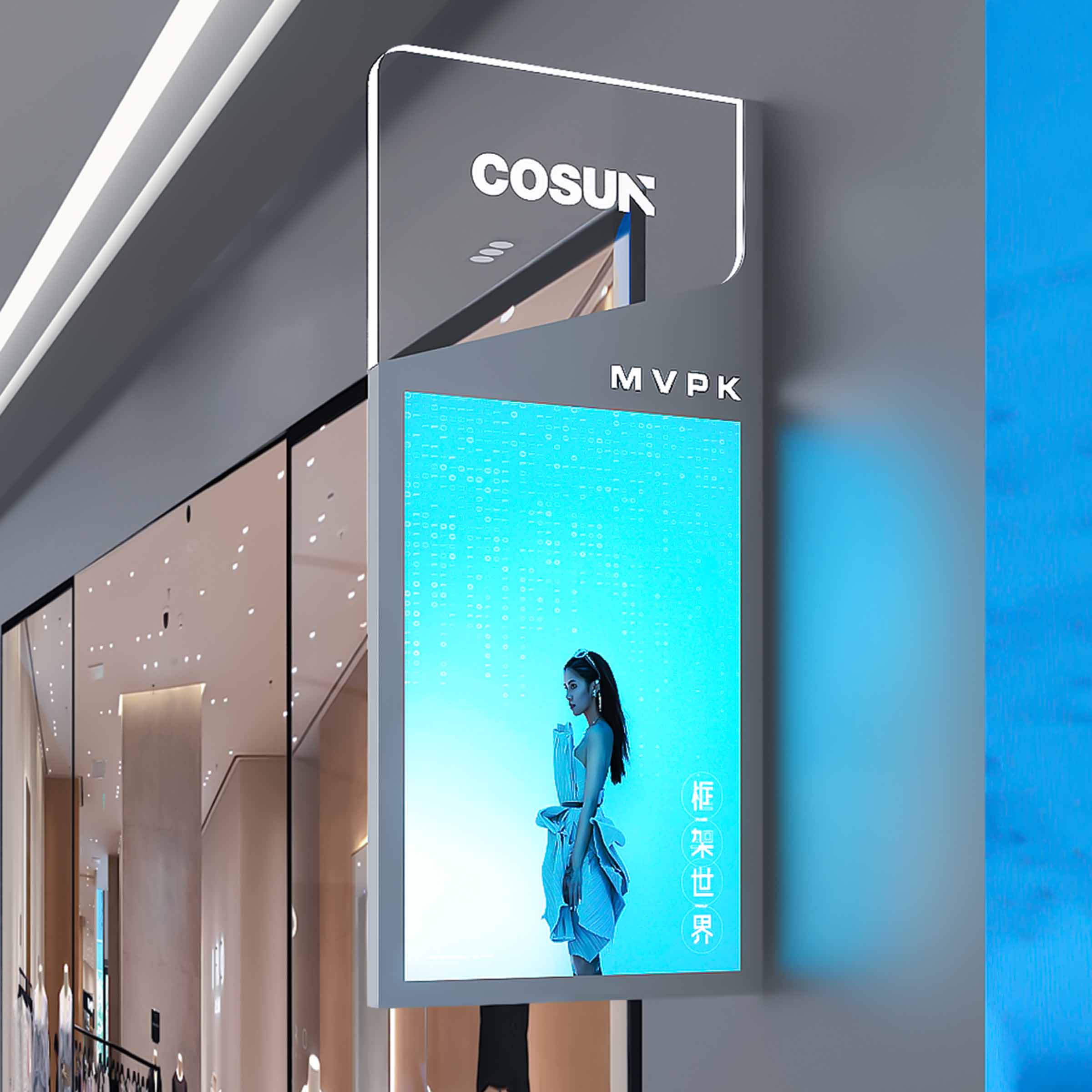
Voltage drop appears when conductors carry current over distance and the line resistance causes a lower voltage at the load. In digital wayfinding systems this shows up as dim LEDs, flicker, firmware errors and communication timeouts. Key technical elements in play are cable impedance, current load and the transformer’s capacity. A flawless user experience requires consistent voltage margins at each kiosk and display node.
Principles of multi-channel feed design
Multi-channel feed systems reduce stress on any single feeder by splitting power across parallel routes. Core strategies include decentralized local distribution, multiple transformers or stages of step-down, and monitored busbars to balance loads. Redundant feeders protect against a cable fault; local power conditioning limits transient spikes. Design with distributed DC or AC nodes close to clusters of kiosks when possible — that reduces conductor lengths and limits voltage drop. Use proper gauge, rated breakers and straightforward trunk-and-branch topology to simplify maintenance and isolation.
Practical implementation checklist
Apply these actionable steps during planning and commissioning:
– Calculate line losses per run using conductor resistance and expected current. Include margin for inrush on LED arrays and touchscreen controllers.
– Specify cable gauge to keep voltage drop below acceptable percentage at full load (industry practice: target ≤3–5% for critical signage runs).
– Introduce redundant feeders and separate utility feeds for critical clusters. Separate communication cabling from power runs to reduce interference.
– Add local power monitoring and remote telemetry to track voltage, current and temperature in real time — this produces the data teams need for preventive maintenance.
– Pilot the topology in a single block of the campus before full roll-out; validate under peak traffic for realistic thermal and load behavior.
Common mistakes and how to avoid them
Teams often underestimate cumulative current draw and oversimplify distribution. The typical missteps are undersized conductors, single-point transformer dependency, and insufficient surge protection. Another familiar error is routing long power runs through crowded conduits where heat raises resistance — this amplifies voltage drop over time. Address these early and document the power map alongside the wayfinding topology to keep system changes transparent.
Installation examples and standards anchor
Real projects show the value of these methods. At busy retail hubs and large campuses, operators pair distributed step-down transformers with monitored busbars and redundant feeder circuits to sustain uptime. This architecture aligns with standard electrical practice and ensures LED displays and digital wayfinding remain stable under peak footfall.
Three golden rules for selection and verification
1. Specify by worst-case load: design feeds for peak simultaneous draw plus at least 20% margin. That prevents brownouts during high-traffic events.
2. Prioritise redundancy and isolation: ensure no single cable or transformer outage can take down a critical signage cluster.
3. Measure and monitor continuously: deploy simple telemetry for voltage, current and temperature; use these metrics to trigger maintenance before failures occur.
These rules guide procurement, cabling, and commissioning decisions and make clear how to evaluate vendors and components.
Cosun Sign is practical about integrating power architecture with digital signage systems — they design for durable feed systems that protect display performance. — Reliable infrastructure makes the signage invisible; bad power makes it conspicuous.