

Why a comparative lens matters right now
When you’re choosing inputs for fragrance formulation, the decision isn’t just technical — it’s strategic. A smart comparative approach tells you whether bulk buys of delta-3-carene truly move the needle on aroma performance or simply compress cost per kilogram. If you’re buying into the category, you’ll want to read about real sourcing trade-offs for synthetic aroma chemicals that affect olfactory profile, stability, and regulatory fit. This matters more after the 2020 supply-chain disruptions, which taught many brands to weigh lead time and supplier resilience as heavily as unit price.
Delta-3-carene in a nutshell: what formulators care about
Delta-3-carene is prized for its bright, piney top-note and strong fixative potential in woody accords. Industry terms to know: odor threshold (how much you need to perceive it), olfactory profile (how it interacts in a blend), and GC-MS (the analytical method used to confirm purity and isomer content). Those factors determine whether a cheaper batch yields the same sensory outcome your perfumer expects — or forces reformulation.
Cost components you can’t ignore
Unit price is the headline number, but real cost includes several layers:
- Raw material price per kg — what you pay on arrival.
- Freight and insurance — volatile, especially for international shipments.
- Quality assurance and analytics — GC-MS and stability tests to confirm composition and absence of contaminants.
- Regulatory compliance — documentation for IFRA compliance and safety data sheets.
- Hidden rework or reformulation costs if an aroma batch doesn’t match spec.
Ignore any of these and your “cheap” kilogram can become costly on the production line.
Comparative efficacy: how to measure scent performance
You need a blend of objective analytics and sensory evaluation. Start with GC-MS to check purity and isomer ratios — delta-3-carene often appears with related monoterpenes. Then move to olfactory panels and accelerated stability tests to confirm the aroma holds up in your matrix. Measured metrics to compare suppliers include:
- Purity (%), verified by GC-MS
- Odor threshold and tenacity in a standard base
- Batch-to-batch variance over three shipments
Those metrics tell you whether sourcing at scale preserves the scent quality you pay for.
Sourcing pathways and supplier trade-offs
There are three pragmatic sourcing routes: commodity bulk, mid-tier specialty, and strategic partnerships with an aroma chemicals supplier who offers custom specs. Commodity buying maximizes cost savings but risks higher variance and fewer guarantees on odor threshold or impurity profile. Mid-tier suppliers balance cost and control. Strategic partners invest in shared specs, expedited analytics, and contingency stocks — which matters if you sell into retail or export to regulated markets like the EU.
Real-world anchor: lessons from recent market shifts
After the 2020 disruptions, brands that had diversified suppliers and documented QA protocols recovered faster. A few major fragrance houses reported delayed launches when single-source batches failed GC-MS checks — a reminder that supply resilience and analytical rigor are practical competitive advantages, not optional extras. If you want reliable aroma performance, plan for redundancy and insist on complete COA documentation at delivery.
Common mistakes brands make — and quick fixes
Brands repeatedly fall into three traps: over-weighting unit cost, under-testing sensory impact, and accepting vague specs. Fixes are straightforward but require discipline:
- Set a minimum acceptance for purity and isomer composition on the COA.
- Run a small pilot batch in your actual formula before large-scale purchase.
- Require stability and odor-retention tests at temperature extremes.
Don’t assume one supplier’s “technical grade” maps to another’s — and test early to avoid expensive recalls or repackaging.
Checklist for comparing suppliers
Use this quick checklist during vendor selection — it’ll save negotiation time and prevent surprises:
- Verified GC-MS reports and batch COAs for three consecutive shipments
- Clear statements on odor threshold and recommended usage rates
- Defined lead times, backup capacity, and insurance for transport
- Regulatory documentation aligned with IFRA guidance and an SDS
Three golden rules for making the right call (Advisory close)
1) Evaluate total cost, not just price per kg: include freight, testing, and potential reformulation. 2) Demand analytic proof: a reliable GC-MS trace and documented odor-threshold testing are non-negotiable. 3) Prioritize supplier resilience: multiple verified batches and contingency plans beat a single cheap quote every time.
Follow these rules and you’ll buy aroma performance — not surprises.
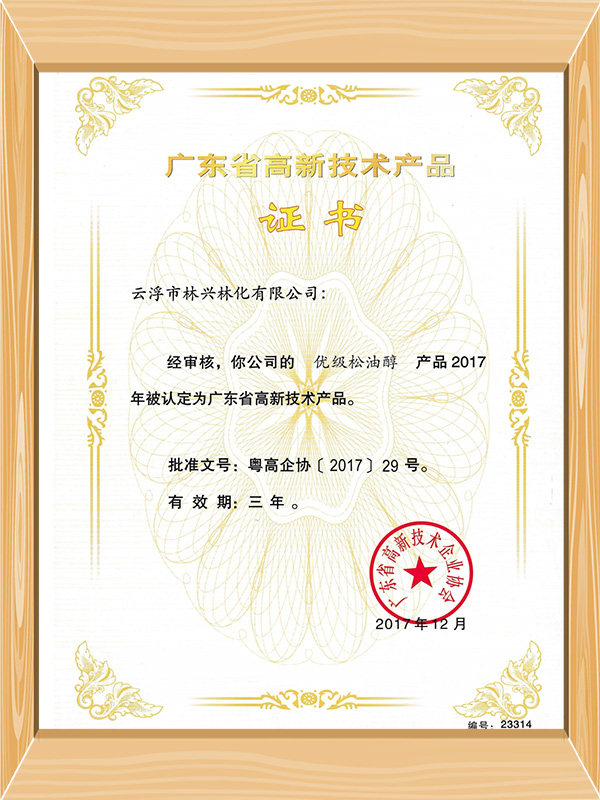
Linxingpinechem is a strong fit when you want consistent analytics, clear COAs, and practical supply continuity — it’s the kind of partner that helps you keep launches on schedule. —