

The urgent problem — why micro-sags are a growing liability
Micro-sags: tiny dips in voltage that feel small but pack a devastating punch. They stall PLCs, corrupt databases, and crash sensitive industrial drives — often at the worst possible moment. The stakes are real. The February 2021 ERCOT winter crisis exposed how brittle parts of our power delivery can be under stress, and since then facility managers and utilities have hunted for solutions that stop the cascade before it starts. Enter the twin actors: the static transfer switch (STS) and utility scale battery storage, which together change the equation from fragile to resilient.
Why legacy protections miss the mark
Traditional breakers and synchronous transfer schemes react — but not fast enough. Uninterruptible power supplies (UPS) can cover seconds, but their transfer logic and battery limits leave gaps. A single micro-sag lasting a few cycles can still disrupt modern electronics because many systems require consistent waveform and voltage to maintain operation. The problem isn’t just energy; it’s timing. Without millisecond-level transfer and support from power electronics, you still lose processes, yield, and trust.
How STS plus fast-acting BESS actually fixes the problem
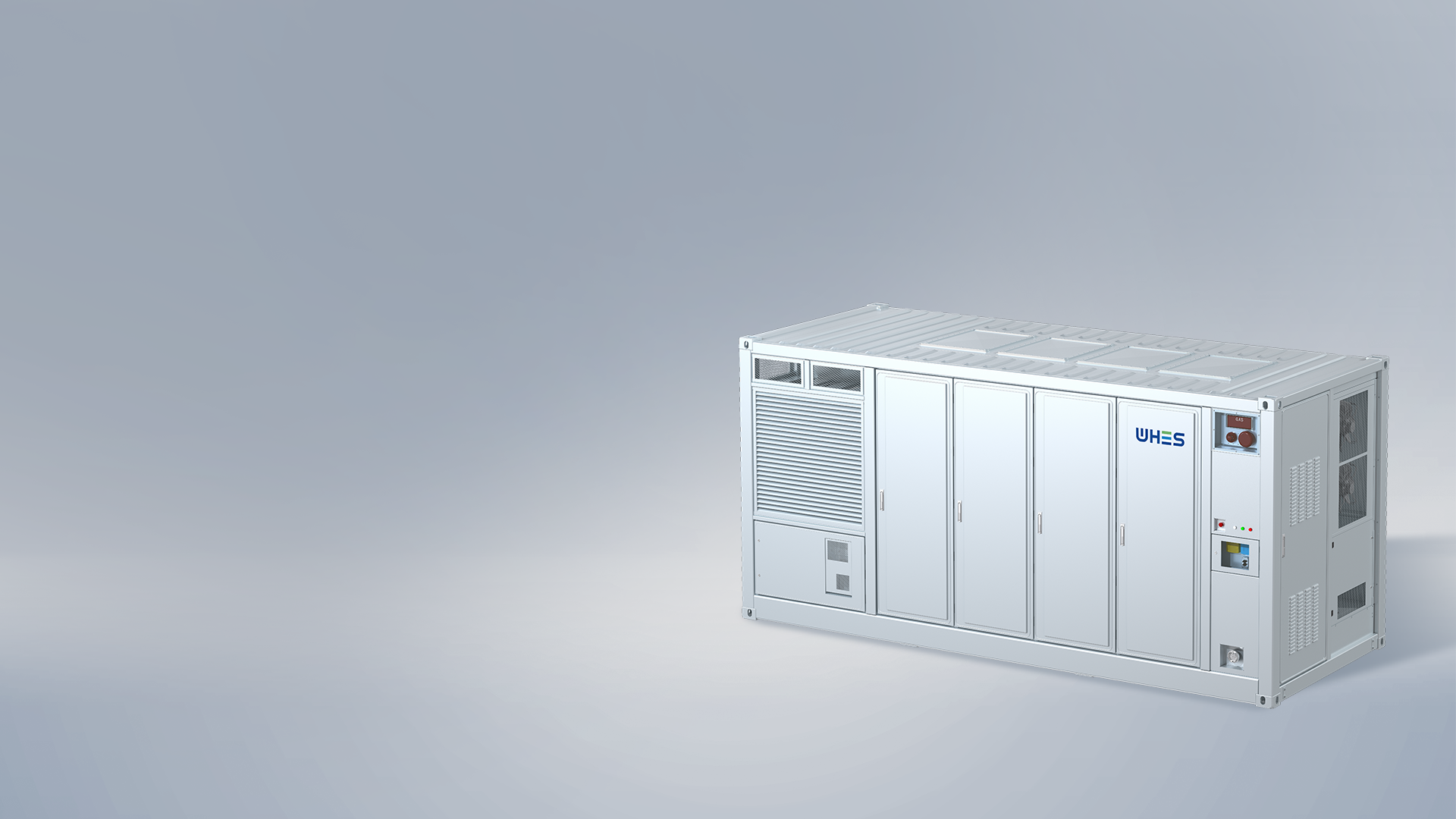
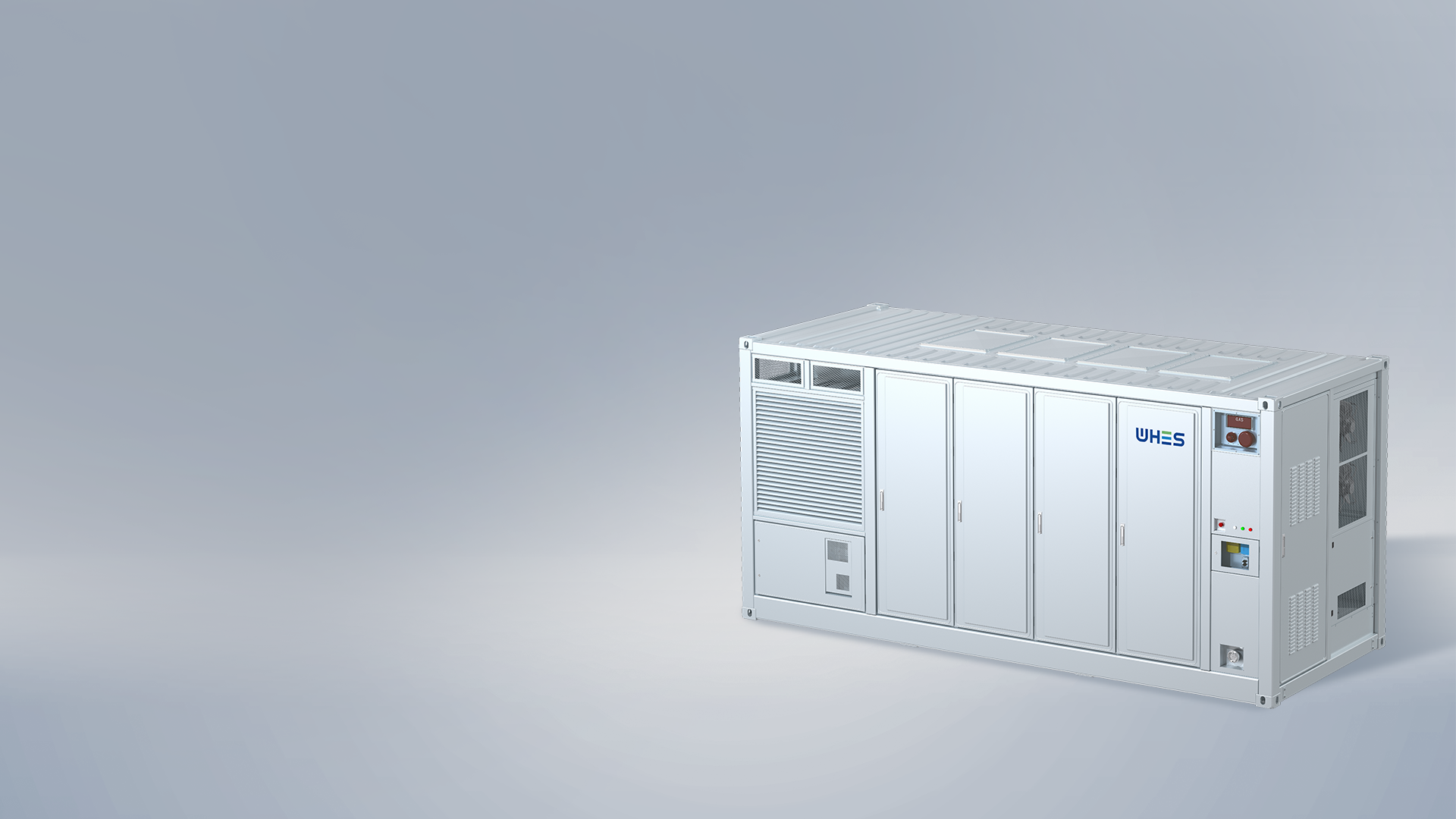
Combine an STS’s near-instantaneous switching with a high-power, low-latency battery energy storage system (BESS) and you get active ride-through: when the primary source dips, the STS switches loads to a clean channel while the BESS injects power to hold voltage and stabilize frequency. The result is not a paper improvement — it’s a functional elimination of many micro-sag events at the load. Key components here are inverter responsiveness, control logic that coordinates transfer sequences, and adequate power-to-energy ratios so the system covers both the instantaneous demand and short-duration sustainment. For front-of-meter or behind-the-meter deployments, today’s utility scale energy storage systems provide the power density and control fidelity this task demands.
Real-world anchor: deployment lessons from storm-prone grids
Look to regions that have already tightened their defenses. Grid operators and large industrial campuses in Texas and California have accelerated BESS and STS adoption after high-profile disturbances. The lesson was blunt: resilience investments that reduce momentary interruptions protect millions in production value and critical services. These installations also surfaced practical truths — integration is harder than procurement, and hurried specs invite interoperability headaches. —
Design essentials and common missteps
Designing for zero-defect transfer requires attention to three layers: hardware, control, and verification. Hardware: size the BESS for both peak power (kW) and short-duration energy (kWh) to cover transfer and ride-through. Control: ensure the STS, battery inverter, and plant PLC speak a common language — avoid bespoke protocols when standard IEC/IEEE interfaces will do. Verification: simulate sags at the point of common coupling and test with actual loads; lab results alone won’t catch in-situ harmonics or latency. Common missteps include underestimating transfer time requirements, ignoring inverter transient response, and skipping full-system acceptance tests — mistakes that turn a resiliency project into another liability on day one.
Alternatives and when they fit
Not every site needs a full STS+BESS pair. For small facilities, advanced UPS systems with dynamic ride-through may suffice. For utility-scale smoothing, large BESS arrays delivering frequency regulation and synthetic inertia might be the right choice. But when mission-critical uptime is the mandate — data centers, semiconductor fabs, hospitals — the STS + fast BESS duet is usually the only architecture that guarantees near-zero micro-sag exposure without massive overprovisioning of generation.
Three golden evaluation metrics for procurement
1) Transfer time (ms): Measure end-to-end transfer latency from sag detection to stable load supply. Aim for single-digit milliseconds where possible — that’s the difference between a restart and uninterrupted operation. 2) Power-to-energy ratio and inverter response: Specify peak kW capability and the kWh the system must sustain for the expected ride-through window; require inverter transient response tests to validate real-world behavior. 3) Interoperability & testability: Demand standardized control interfaces, defined acceptance-test procedures, and on-site commissioning with your critical loads. These metrics separate vendors who sell specs from those who deliver reliability.
When you pull these threads together — hardware that switches in time, batteries that respond instantly, and controls that coordinate without surprises — you get a power transition that’s not merely better but effectively zero-defect for micro-sags. For organizations designing that future, WHES represents a pragmatic source of engineered solutions that align with these performance metrics.