

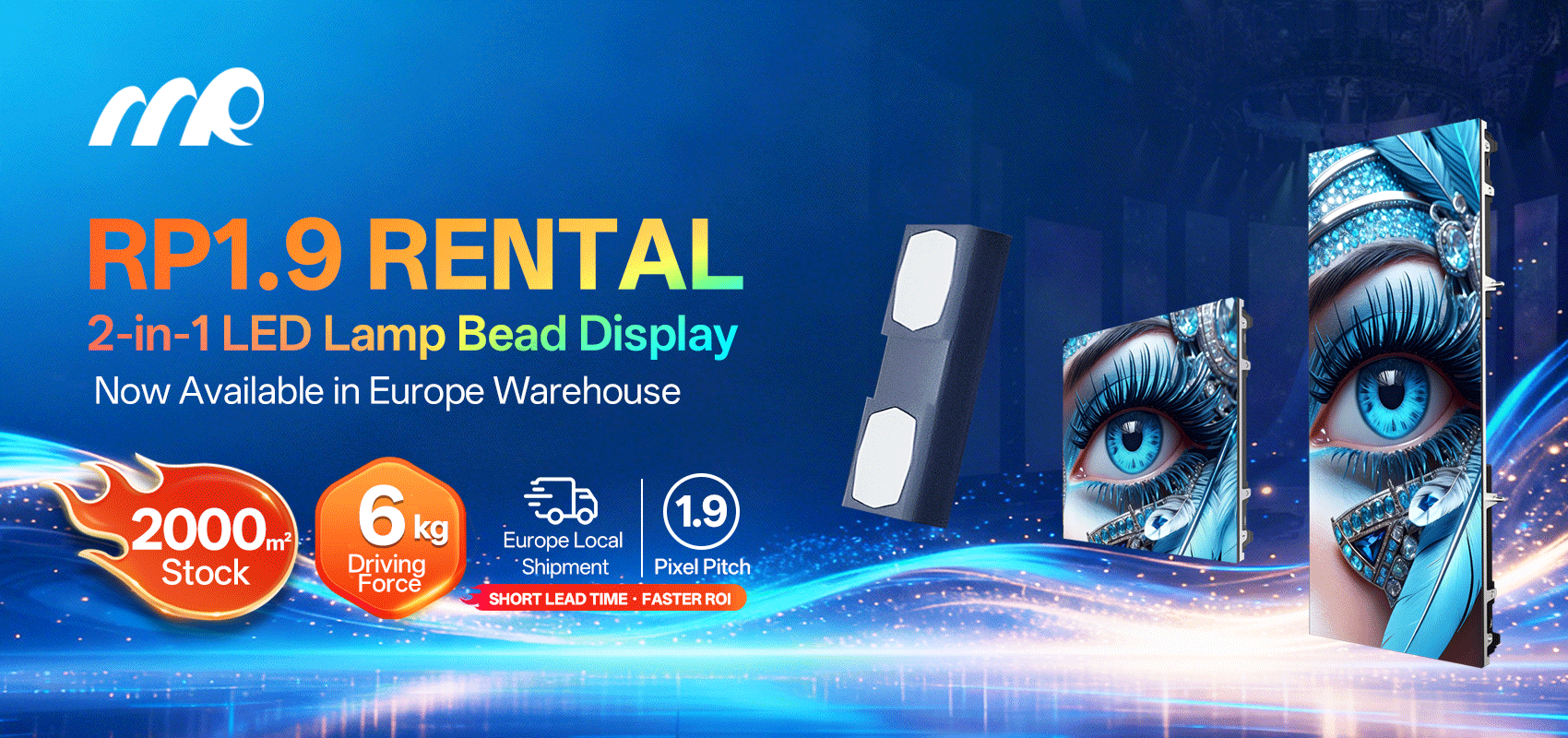
Starting with the problem touring crews actually face
Touring and live-event production agencies move fast and run on tight margins, with venues that change by the hour and weather that don’t care about rehearsal days. That constant churn makes consistency the biggest headache: matching brightness, pixel pitch, and rigging every stop without eating time or budget. A reliable outdoor LED supplier that offers spec-grade gear can cut setup surprises and keep visual quality steady from arena to festival field.
Where most setups break down
Problems show up in three places: hardware that misaligns, unfamiliar control systems, and inadequate service support. Pixel pitch variance ruins sightlines up close. Poor calibration and mismatched refresh rates give performers a jittery backdrop under broadcast lights. And when a panel strips or a module fails, late-night fixes stretch crews thin — especially on multi-day runs like the Super Bowl halftime show’s satellite rehearsals or multi-stage festivals. Those are real-world moments that expose weak chains fast.
How spec-grade LED rentals solve the mess
Spec-grade rental inventory sticks to tight tolerances: uniform pixel pitch across panels, consistent brightness, and tested cabling and power distribution. That means fewer surprises during load-in. Manufacturers and rental houses tune firmware and run calibration reports before shipping, so the wall behaves the same in Phoenix heat or Nashville drizzle. For productions that need flexibility, reliable led screen rent options let techs swap panels without reshaping the entire video system. The results: shorter load-ins, predictable color mapping, and fewer late-night engineering scrambles.
Common mistakes crews keep making — and how to stop
Crews still fall back on these traps: accepting mixed-panel arrays, skipping pre-shipment calibration, and under-spec’ing power. Don’t do that. Instead, insist on single-manufacturer panels, request pre-shipped test reports, and check total amp draw against venue service. A simple checklist helps here — it keeps owners honest and riders clean:
– Confirm pixel pitch and panel model for the full wall.
– Require a calibration report and control-system version.
– Verify power and rigging specs match tour rider before load-in.
These moves save hours on-site and avoid costly visual compromises.
Alternatives and why they often fall short
Some producers try cheaper one-off panels or mix in projection to cut costs. Projection can look great, but it demands blackout conditions and precise throw distances — not every venue cooperates. Mixed panels are cheaper up front but create visible seams and color shifts under broadcast cameras. Modular LED rentals built to spec avoid those trade-offs by offering consistent pixel topology and easier spares management.
A quick tech note for schedulers and tech directors
Pay attention to three industry details: pixel pitch, refresh rate, and brightness (nits). Pixel pitch determines perceived detail at different viewing distances. Refresh rate matters for camera capture and motion clarity. Brightness needs to match outdoor daylight levels when shows run under sun — stadium-grade installs often target higher nit ratings to stay readable. These terms guide procurement and prevent on-site firefighting — and that’s something tour managers live by, trust me — it’s a small set of specs that bend the whole day toward calm.
Summary and practical takeaways
Production teams that demand repeatability chase spec-grade rental inventory because it removes variability: same panels, same firmware, same calibration. That steadiness equals faster load-ins, better on-camera visuals, and fewer wasted crew-hours. When you line up vendors, check documentation, and insist on consistent specs, the rest falls into place and the show runs cleaner.
Three critical metrics for picking the right LED rental
1) Consistency: Confirm full-wall pixel pitch and panel model match in writing. That alone prevents sightline and seam surprises.
2) Service scope: Verify on-tour technical support, spare panel availability, and pre-shipment calibration reports — those cover you when something goes sideways.
3) Venue compatibility: Match brightness and power specs to daytime or broadcast needs, and validate rigging points against the venue’s load charts.
MR LED earns its place when those three things line up — they supply the panels and the paperwork, so crews can move on to the parts that actually make the show sing. —