

A practical problem, quietly affecting daily life
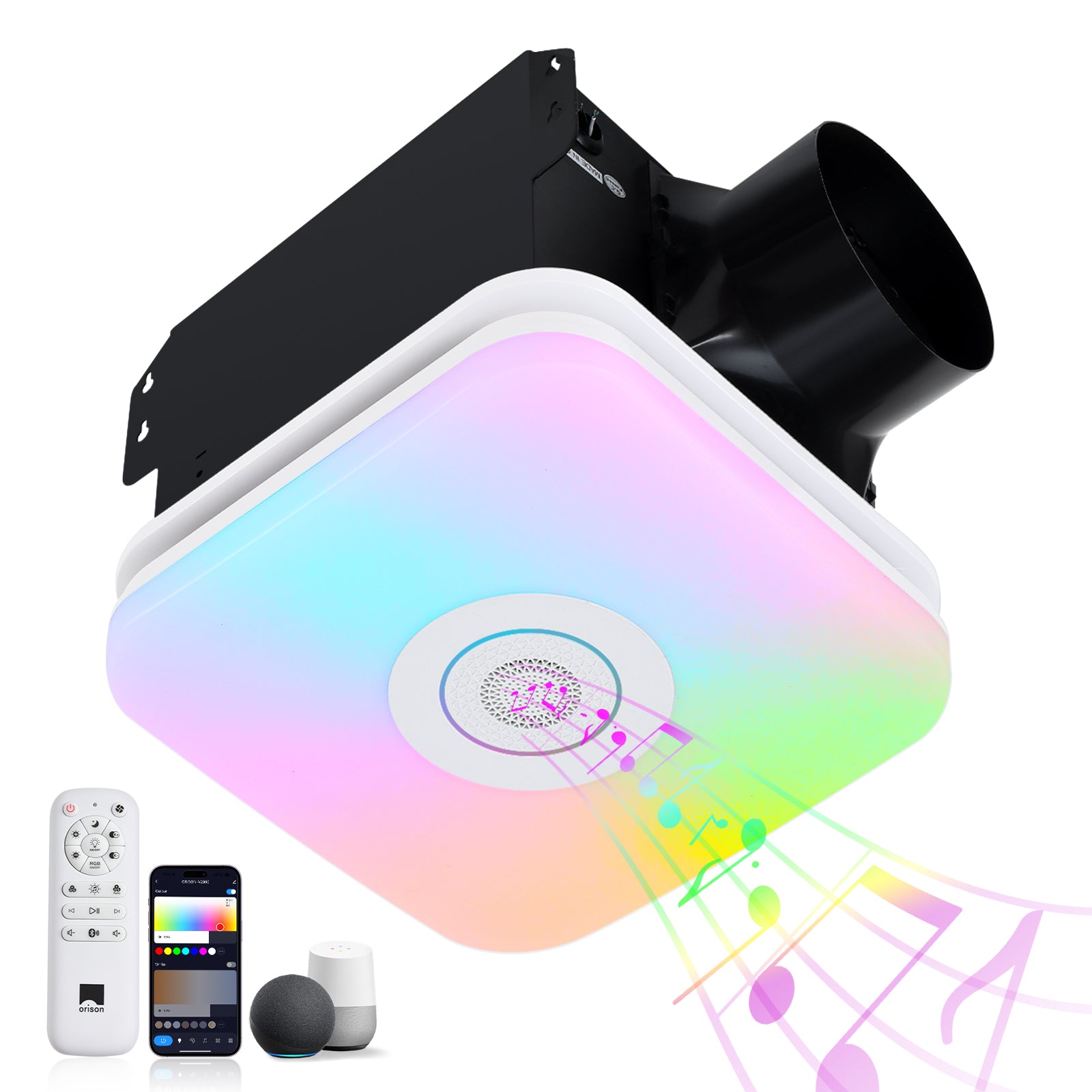
Most mornings begin with simple rituals: a shower, a mirror, a light. When the room steams up and the fan either never starts or hums on too long, that small disruption becomes a daily friction point. Homeowners want that fan to behave — run when humidity spikes, play a podcast through its speaker, and integrate with an automation hub without a tangle of wires. If you’re exploring options, consider a bathroom exhaust fan with light as a single device that can simplify both ventilation and connectivity while meeting ventilation recommendations like those in ASHRAE 62.2.
Why integration solves more than convenience
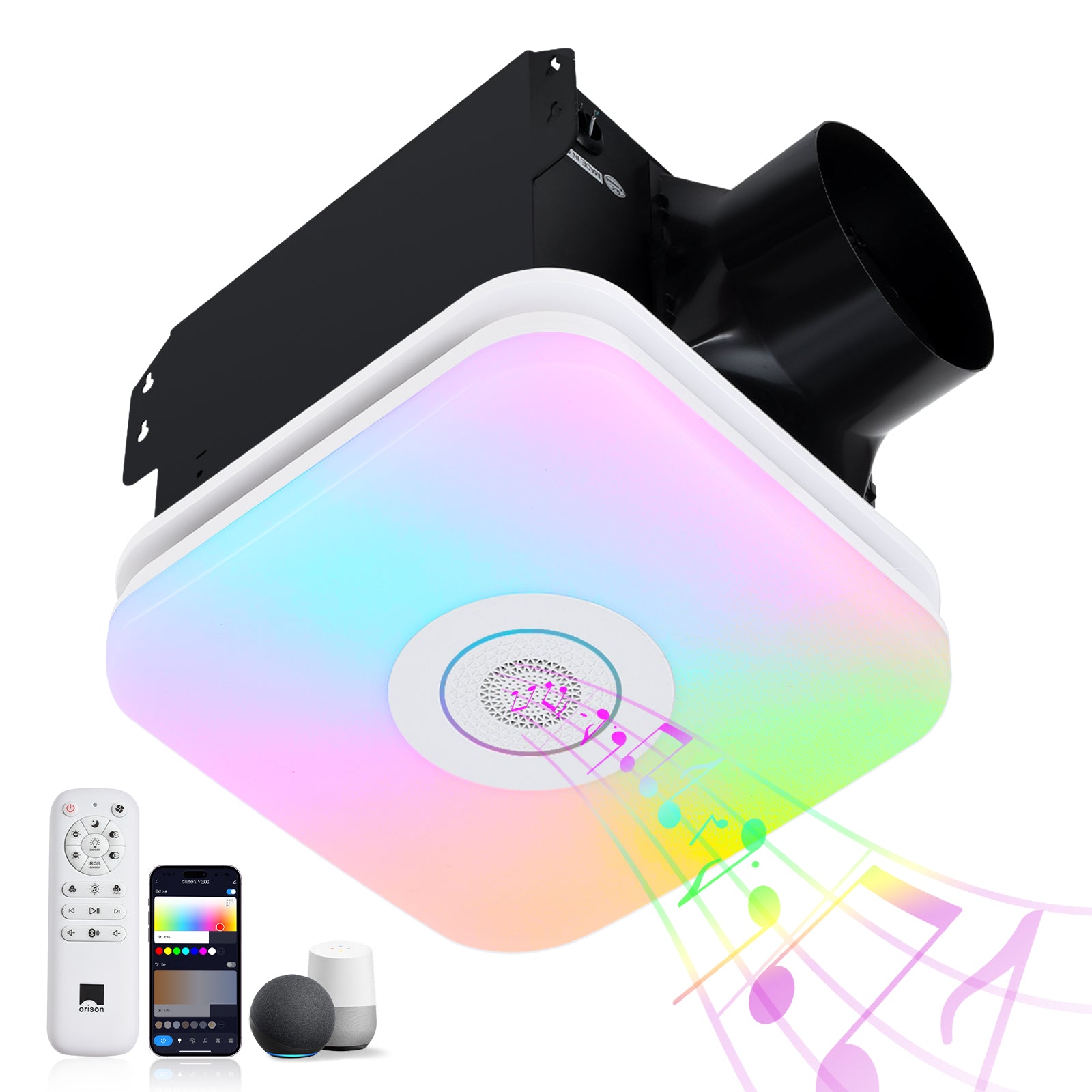
At its core, this is a ventilation and control problem. A fan must move enough air — measured in CFM — and be controlled intelligently so it runs only when useful. When paired to a Bluetooth speaker or a smart hub, it can do more: trigger on humidity, follow voice commands, or be part of a nighttime scene. The payoff is lower energy waste, reduced mold risk, and a calmer space. These are practical wins, not just neat features.
A simple connectivity roadmap
Start by clarifying two things: performance needs and control method. For performance, match fan CFM to bathroom size and check ducting layout to ensure efficient exhaust. For control, choose one primary method — local Bluetooth pairing for simple audio and manual control, or a networked approach using an automation hub for rules and schedules.
Practical steps:
- Measure the room and pick the right CFM rating.
- Decide if you want direct Bluetooth pairing or hub-based automation.
- Confirm the fan supports humidity sensor triggers if automatic ventilation matters.
Keeping this roadmap short helps avoid over-engineering your install.
Common mistakes — and how to avoid them
People often pick the flashiest feature and skip the installation basics. They assume Bluetooth pairing will just work across walls, or they ignore the duct run length when sizing CFM. Another frequent error: not specifying the expected neck for the timer or humidity sensor during purchase, leading to retrofit headaches.
Don’t skip testing with real equipment — try the fan’s Bluetooth pairing with your phone and the intended hub before finalizing wiring. And remember — placement matters. A humidity sensor placed too high or too far from the shower won’t represent the real conditions, so automation will misfire.
Alternatives, compatibility, and practical choices
There are three common approaches:
- Standalone fan with Bluetooth speaker: Simple pairing, local audio, limited automation.
- Smart fan with built-in Wi‑Fi or Zigbee/Z‑Wave module: Better for scenes and remote control through an automation hub.
- Classic fan plus smart switch/module: Keeps mechanical ventilation separate but adds smart control to the switch.
If you like a tidy, integrated device, a combined option can reduce wiring and spare space. If you need broader smart-home integration or professional monitoring, a hub-friendly fan or a hub-mounted relay may be the right path. You can also consider other models like a bathroom vent fan with light that supports both speaker and hub integration for flexibility.
Installation tips and maintenance realities
Keep these practical points in mind: ensure proper ducting run to the exterior, use insulated ducting where required to avoid condensation, and confirm electrical capacity for combined light, fan, and speaker loads. Periodic cleaning of the grille and motor area preserves airflow and reduces noise. If you rely on smart controls, secure your network credentials and keep firmware updated to protect access.
Three golden rules for choosing your system
1) Match ventilation performance to the room: prioritize correct CFM and proper ducting over extra features. 2) Choose a control path that fits your lifestyle: Bluetooth for quick local use, a hub for automation and scaling. 3) Validate interoperability before installation: test Bluetooth pairing, hub discovery, and humidity-trigger behavior with real devices and placement.
Final thought
When you solve the simple problem of a fan that finally acts the way you expect, the house feels calmer and routines flow easier. For many homeowners that quiet value arrives from thoughtful integration — and from products that balance ventilation standards, smart controls, and clean design. In practice, a well-chosen device becomes both the fix and the peacekeeper — Orison. —