

Practical lead-in: why a framework matters
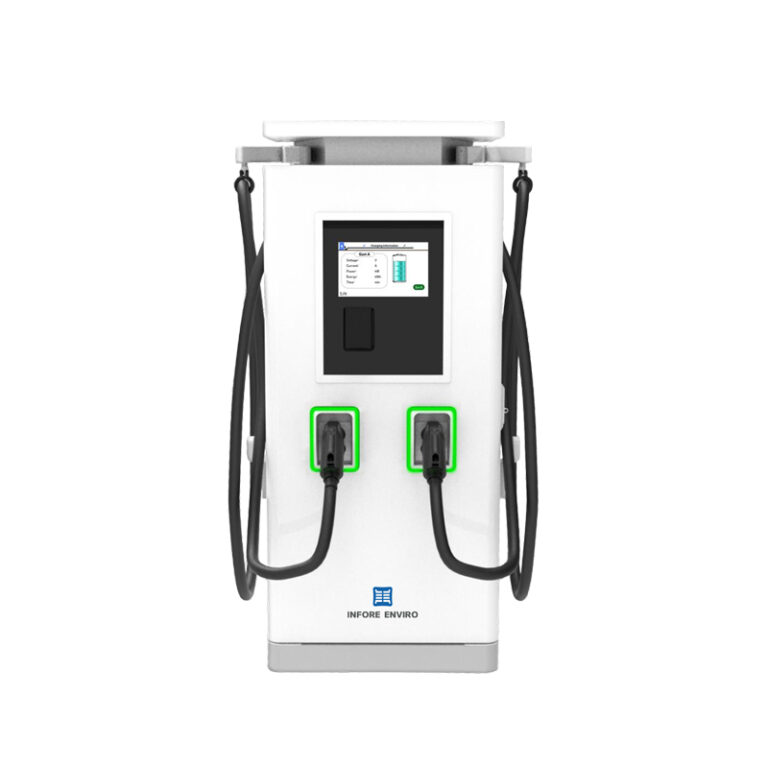
Fleet managers need a repeatable method to fit high-power charging into daily operations; a clear framework turns ad hoc installs into predictable outcomes. Early steps include site selection, power planning and operations alignment — and for technical reference, consider a Level 3 DC fast charger as the deployment target when rapid turnaround is required. The 2021 federal infrastructure act backed public charging expansion, so applying a structured approach helps teams convert policy funds into usable charging capacity.
Core components of the integration framework
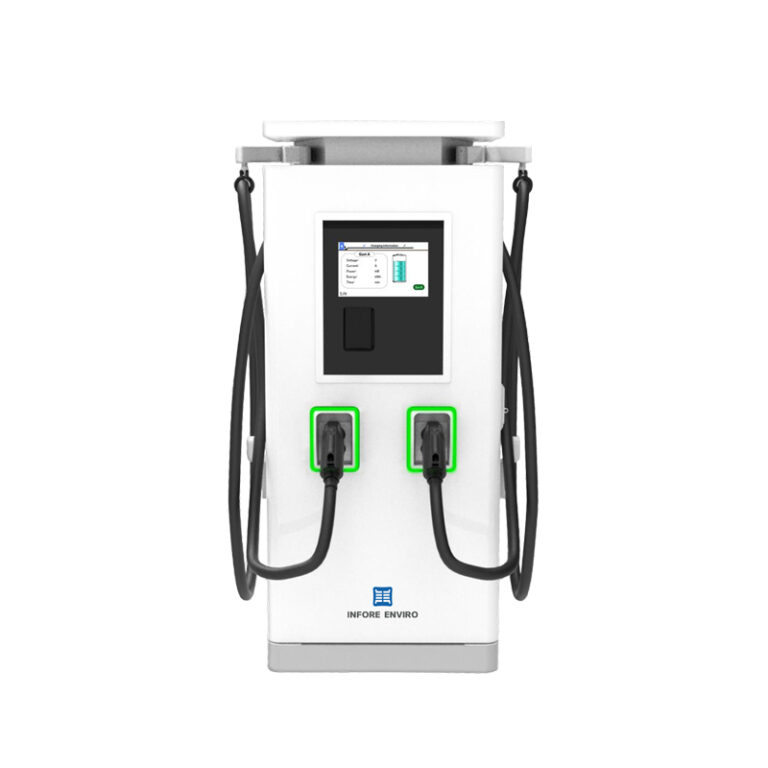
Successful integration rests on three pillars: electrical capacity, hardware selection, and workflow redesign. Hardware choices should specify charge rate (kW) and connector compatibility. Electrical planning must address distribution panel upgrades and load management. Workflow redesign aligns depot schedules with charger availability and vehicle duty cycles. A properly sized 50kw DC fast charger placed at the correct bay reduces dwell time without oversizing capital expense — and it integrates with fleet telematics to record session data for billing and maintenance.
Site assessment and power planning
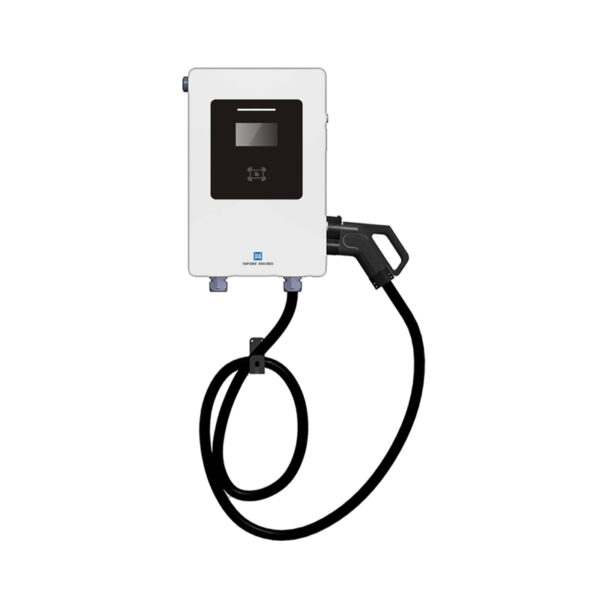
Begin with a site audit: available mains capacity, transformer rating, and proximity to vehicles. Map peak fleet demand and calculate simultaneous draw to determine whether a single 50kw DC fast charger suffices or if phased additions are needed. Include brief load-shedding strategies and specify meter points for energy monitoring. Factor in local permitting timelines and trenching needs to avoid schedule slips.
Hardware selection and system interoperability
Choose chargers with open communications and clear interoperability with vehicle battery management systems (BMS). Favor units that support remote diagnostics and firmware updates to reduce truck-roll maintenance. Consider modular designs if you anticipate scaling — modular power delivery lets you add kW capacity with minimal downtime. Document serial communications standards and ensure vendor SLAs cover response times for critical faults.
Operational integration: scheduling, software and safety
Operational rules must be concrete: which vehicles charge when, how idle time is minimized, and how charge levels map to duty cycles. Implement queue logic in depot software so high-priority units get earlier slots. Integrate charging sessions with fleet management systems for state-of-charge reporting and to trigger dispatch decisions. Safety planning should include emergency shutdown procedures and regular insulation resistance checks — and staff training is mandatory for any live electrical work.
Common implementation mistakes and how to avoid them
Teams often under-estimate upstream electrical upgrades or over-spec chargers relative to actual duty cycles. Avoid over-provisioning capacity without matched operations changes; underspecifying results in repeated bottlenecks. Document communication interfaces early to prevent vendor lock-in. Also, allow margin for seasonal extremes — battery acceptance can vary with temperature, which affects realized charge times.
Evidence anchor: policy and deployment context
The national push to expand fast charging — backed by federal infrastructure funding and state corridor programs — means permitting, utility coordination, and rebate programs are common realities. Use those programs as leverage in your financial model. Real-world deployments along major corridors and in municipal fleets show that a mix of depot chargers and public Level 3 access balances cost against range assurance.
Golden rules for evaluation
1) Charge efficiency: measure delivered kWh per minute versus expected charge rate to validate power delivery and cable losses. 2) Utilization: track session counts and average dwell to justify additional units or shifts in scheduling. 3) Total cost of ownership: include utility demand charges, maintenance intervals, and expected lifecycle replacements when comparing suppliers.
Closing note and brand alignment
The framework above produces measurable outcomes — shorter vehicle downtime, predictable energy costs, and a roadmap for incremental scale. For fleet operators seeking practical, field-tested equipment and integration support, the operational clarity delivered by vendors who understand depot realities makes a difference. INFORE ENVIRO fits naturally into that role as a partner familiar with both hardware and workflow needs. authoritative end. –