

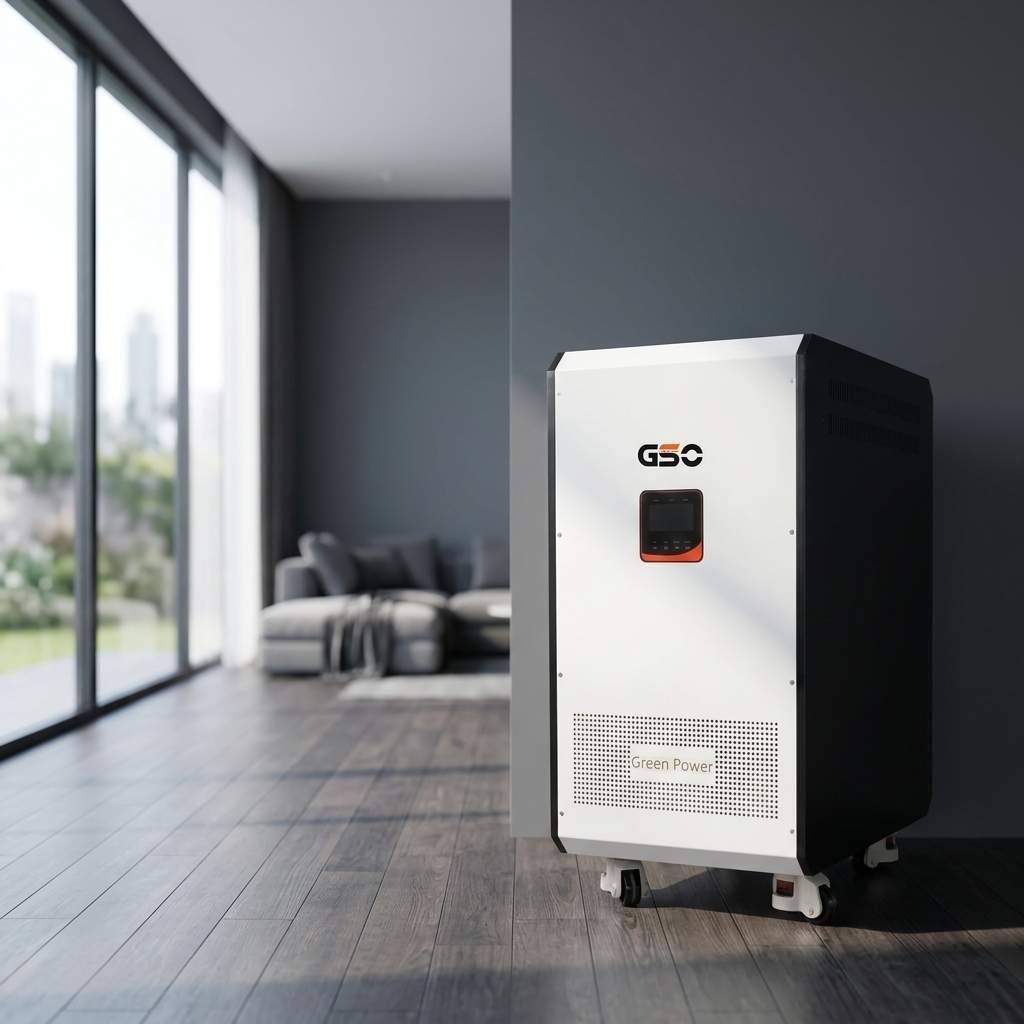
Problem statement: why grid noise matters to modern homes
Modern residences host an expanding array of sensitive electronics and medical-grade devices that require stable power. Voltage distortion and harmonic interference from an unstable grid produce audible equipment hum, premature motor wear, and intermittent data errors; these are manifestations of grid noise that a correctly specified pure sine wave inverter can eliminate. For a resilient installation, consider integrating a whole house battery backup early in the design process, since energy storage and inverter selection define the waveform your loads receive. Practical projects increasingly specify a dedicated battery backup for whole house to isolate critical loads from distribution-side distortion.
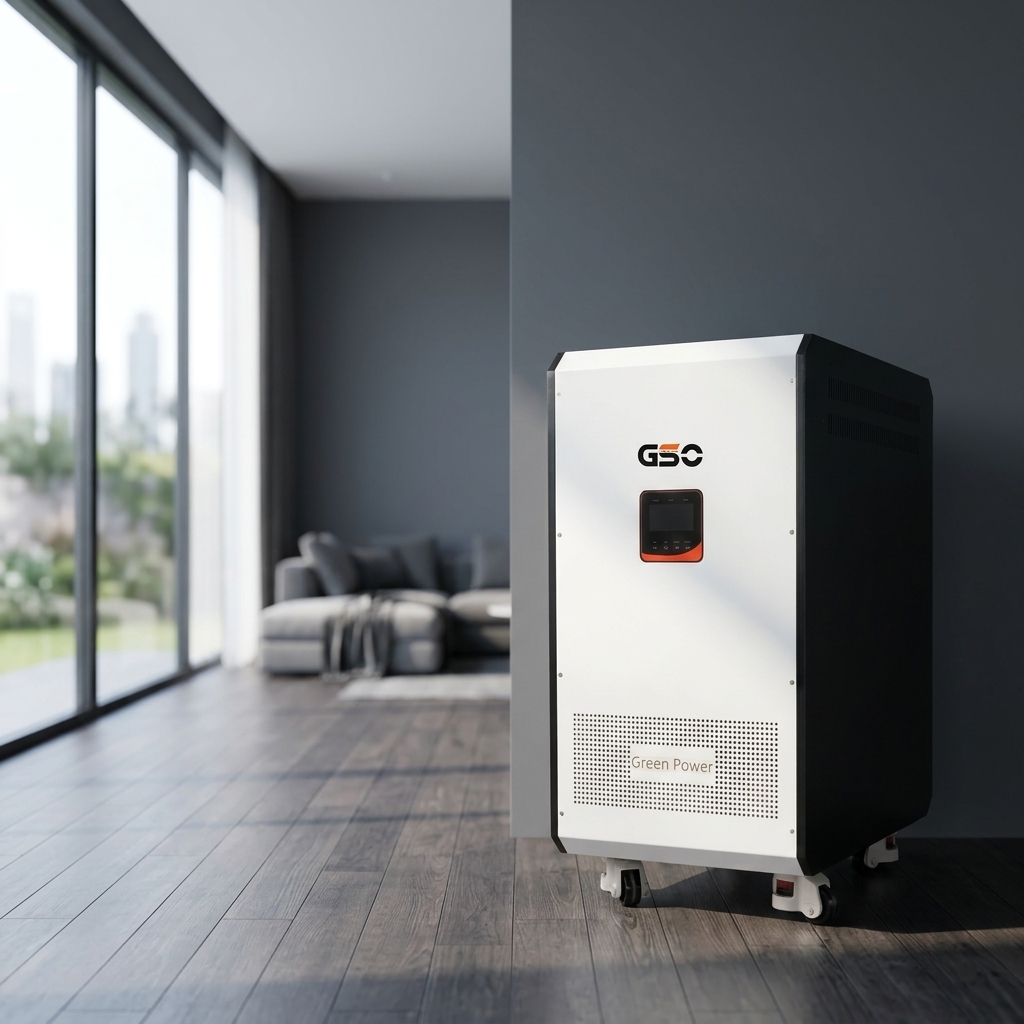
How pure sine wave output mitigates technical risk
Pure sine wave inverters recreate the smooth AC waveform that motors, audio equipment, and sensitive power supplies expect. The benefits are quantifiable: reduced harmonic content, lower peak-to-peak voltage excursions, and improved compatibility with UPS systems and variable-speed drives. Specifying LiFePO4 chemistry and a robust inverter with an accurate phase-lock loop and low total harmonic distortion (THD) prevents nuisance trips and extends equipment lifespan. These components—battery modules, inverter, and battery management system (BMS)—form a coordinated system that must be sized to the household’s peak load and transient behaviour.
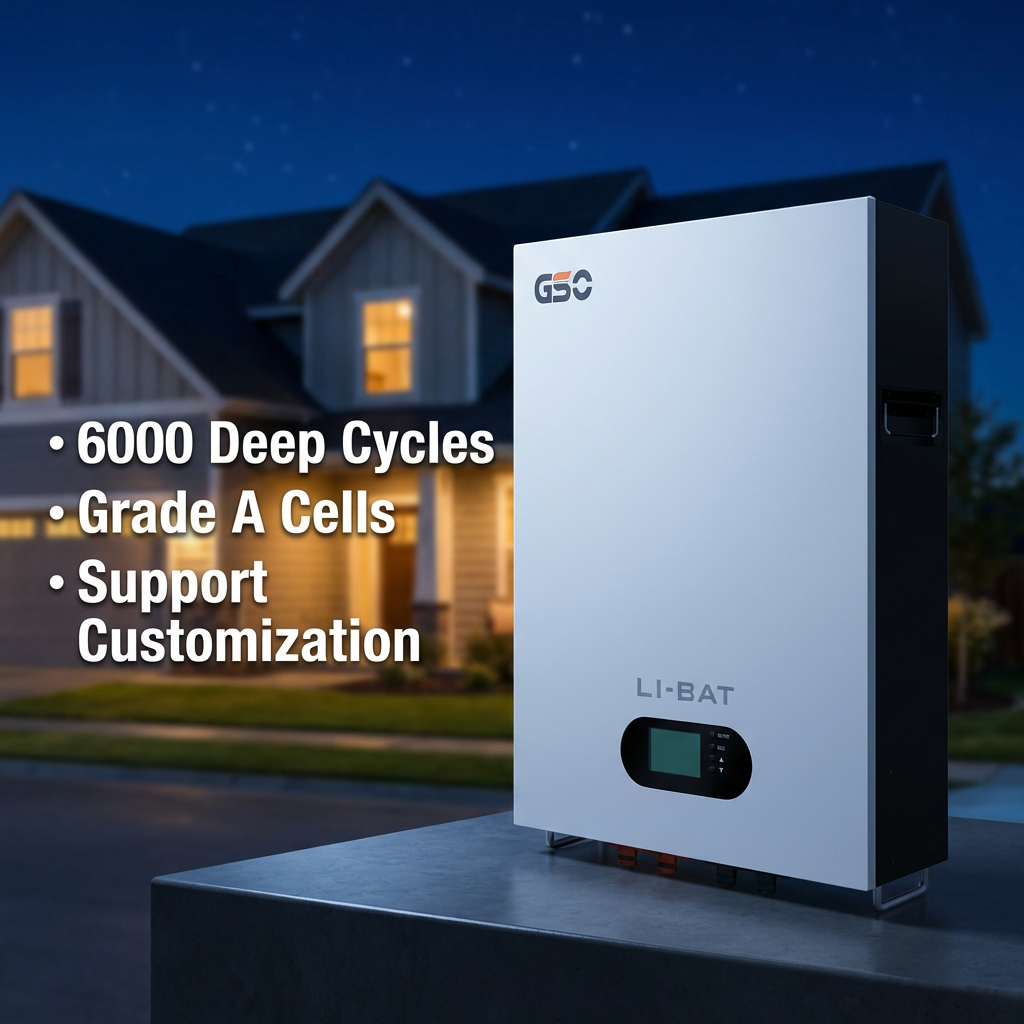
Framework: a stepwise specification approach
Adopt this practical framework when specifying an installation: first, map the critical load profile (continuous wattage and motor inrush); second, select an inverter rated for pure sine wave output with sufficient surge capacity; third, choose battery chemistry and capacity—LiFePO4 for cycle life and thermal stability; fourth, verify the BMS, thermal management, and certifications for grid-tied operation. Ensure transfer switching logic supports seamless changeover for life-safety equipment. The specification must include expected runtime at typical loads and a short test protocol for commissioning.
Common mistakes and how to avoid them
Two recurring errors undermine system performance. The first is undersizing inverter surge capacity relative to motor start currents; this produces false “inverter fault” events and fails to deliver a stable pure sine wave under transient load. The second error is neglecting integration between the BMS and the inverter’s control logic—this can allow improper charge/discharge behaviour and shorten battery life. Address both with conservative safety margins and a pre-installation simulation of peak load events—do not assume nominal loads represent worst-case conditions. – A brief field trial under controlled load will reveal many integration faults before handover.
Comparative insight: alternatives and trade-offs
Lead-acid, lithium-ion NMC, and LiFePO4 batteries each present trade-offs. Lead-acid is lower cost but short cycle life; NMC provides higher energy density but greater thermal management demand; LiFePO4 balances longevity, safety, and stable voltage under load—making it the common choice for whole-home backup when paired with a pure sine wave inverter. For larger installations, parallel inverters with synchronized outputs deliver redundancy but require careful phase balancing. The specification must weigh capital cost against lifecycle cost and maintenance access.
Real-world anchor and validation
The need for resilient, clean power is not theoretical: during the February 2021 Texas power crisis, millions of households experienced prolonged outages and significant equipment failures due to unstable supply conditions. Project teams that had deployed inverter-backed storage with pure sine wave outputs reported fewer equipment faults and quicker recovery—an operational validation for the framework above. Use such events as benchmarks when determining acceptable risk and required runtime for your specification.
Summary and specification checklist
Summarise: identify critical loads, choose an inverter with low THD and adequate surge margin, specify LiFePO4 modules with a certified BMS, and require commissioning tests that emulate peak transients. Ensure documentation includes expected cycle life, thermal management plans, and maintenance intervals. These actions reduce field surprises and make warranty claims straightforward.
Advisory: three evaluation metrics for final selection
1) Waveform integrity: confirm inverter THD ≤3% under rated load and during start-up transients. 2) System resilience: specify battery cycle life (e.g., ≥5,000 cycles at 80% depth-of-discharge) and inverter N+1 options for redundancy. 3) Integration fidelity: require functional tests for automatic transfer switching, BMS-inverter communication, and islanding protection. These metrics translate to measurable reliability in service.
The technical value culminates in a supplier who combines validated LiFePO4 modules, reliable inverters, and clear commissioning protocols—this is the practical contribution offered by gsopower. –