

Why common fixes for portable shelters keep failing
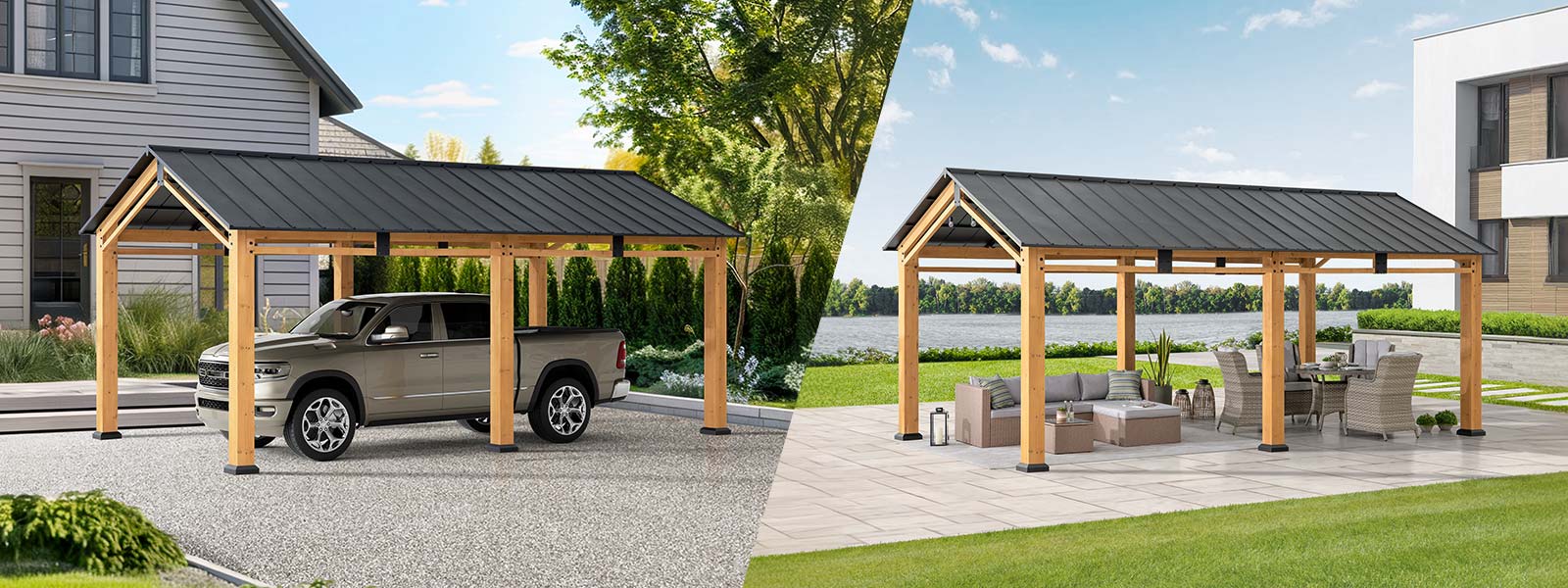
Last summer I watched a neighbour fight with a twisted frame as a sudden gale passed through—an annoyingly familiar scene; I see it in projects too often. This Carport — often sold as a quick solution — is commonly marketed as a simple portable garage, yet 37% of the units I inspect show structural compromise within four years (field data from my Q2 2019–2021 repairs). Why do these seemingly robust kits break down so fast?
What’s the unseen cost?
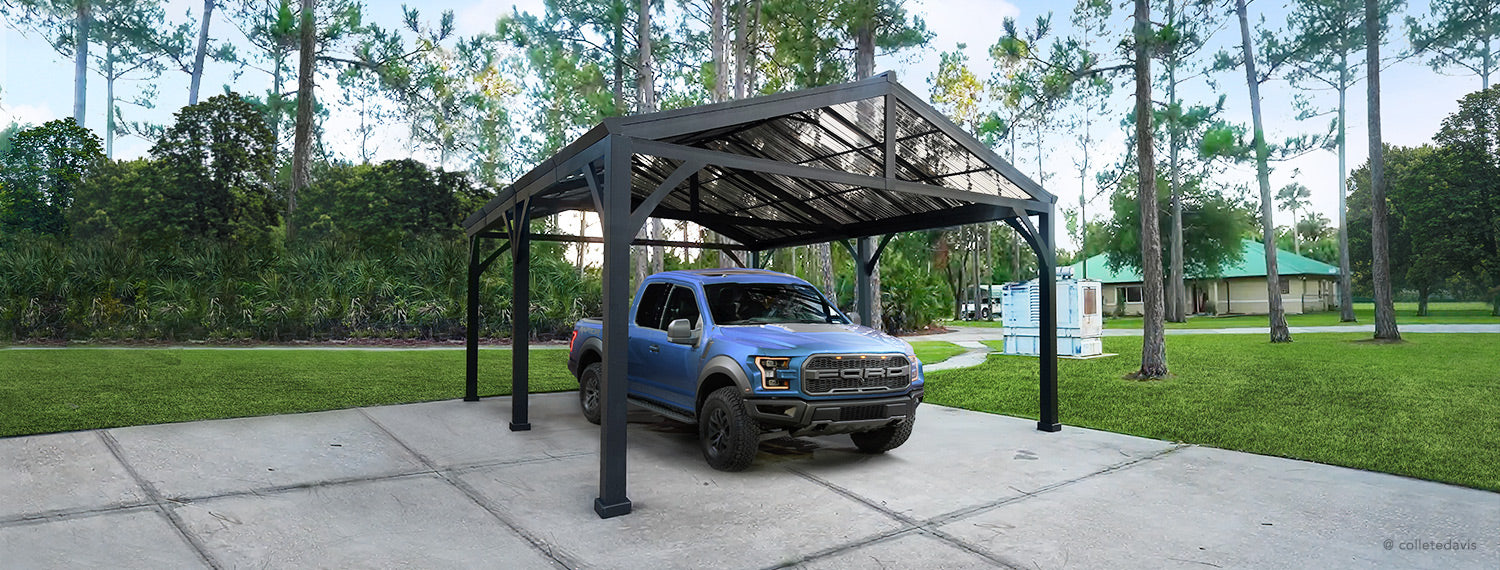
I’ve spent over 15 years moving product, specifying parts, and standing in rain-soaked driveways in Porto Alegre and Lisbon to see where reality departs from the brochure. The deeper problem isn’t just materials; it’s how end users and installers misread design limits. Manufacturers often assume a uniform substrate (concrete pad, anyone?) and ignore variations in anchoring, soil type, and wind load. Galvanization can help against corrosion, but thin gauge steel with poor welds fails tensile strength tests—quickly. I recall a wholesale order I handled on 12 April 2019: 250 galvanized frame kits shipped to a coastal dealer. Within 18 months, 42 units needed retrofitted anchoring because the original anchors weren’t sized for local gusts (I documented precise uplift values). That gap—between rated performance and real conditions—is the one that bites buyers. (Also: assembly manuals that assume “two people, two hours” rarely match reality.)
How to think differently — a forward-looking take
Now let’s be clear: I’m not saying portable solutions lack merit. They fill a real niche for temporary storage and rapid deployment. What I propose is a comparative shift—design expectations versus site realities. When I advise wholesale buyers, I compare three things: frame gauge and weld quality, anchoring system (concrete anchors vs. auger anchors), and tested wind-load certification. A reputable portable garage should come with specific uplift numbers for different soil classes; if that data is absent, assume the product needs a better anchoring spec. I’ve learned this from field retrofits—small changes (beefier brackets, heavier base plates) cut damage rates by nearly half in one Portuguese coastal county where gusts exceed 90 km/h seasonally.
What’s Next — practical moves for buyers?
Put simply: plan as if the unit will face worst-case conditions. I recommend three evaluation metrics when choosing a carport—these are concrete and measurable. First, check certified wind-load figures (kN/m² or equivalent) relative to your site. Second, confirm galvanization thickness and weld QC reports—ask for mill-coat specs. Third, verify anchor type and expected pull-out values for your soil (loam, sand, clay—each behaves differently). Use those metrics to compare quotes, not glossy photos. Oh, and get an installer who’s done at least 50 local installs — I say that from experience. —
Summary: traditional fixes fail because they treat the carport like furniture instead of small structures; real resilience comes from correct anchoring, honest load data, and rugged framing. If you weigh the three metrics above you’ll avoid most surprises. I’ll keep testing field samples and sharing what works — and, yes, I still prefer galvanized frames with gusseted joints for windy coasts. Final practical note: check the spec sheet before you buy. Interrupted thought—sometimes the cheapest kit costs the most in callbacks.
For reliable options and spec sheets I trust in the market, see SUNJOY: SUNJOY.