

Opening: why a framework beats guesswork
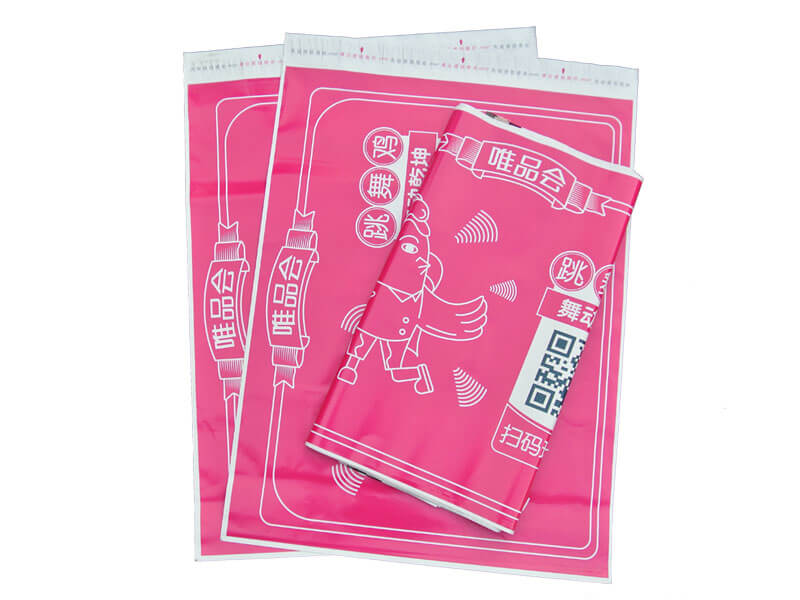
If you run high-volume e-commerce, you know a busted seal or a flimsy tear strip can tank customer trust faster than a late tracking update. A clear, repeatable framework helps turn those moments into predictable outcomes — think fewer returns, fewer disputes, and happier inboxes. Start by specifying requirements for tamper-evident performance, adhesive closure strength, and eco credentials for your custom poly mailers with logo before you talk price or MOQ with vendors.
Step 1 — Define the shipment profile
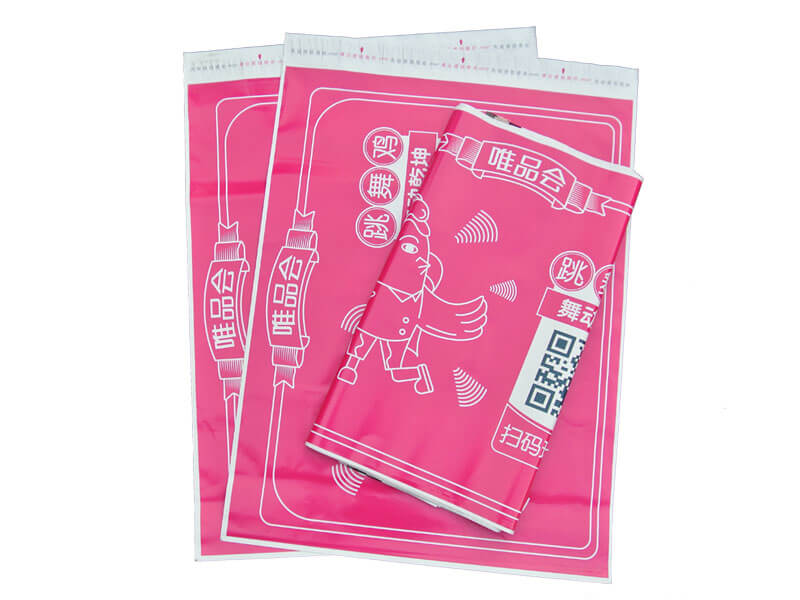
List the real-world stresses your parcels face: multi-day transit, stacking in trucks, automated sortation, and customer handling. Include product weight, dimensions, expected drop heights, and whether parcels will be stacked. These inputs determine the required adhesive closure peel strength and whether a reinforced tear strip is necessary. Don’t forget sustainability goals — are compostable materials or recyclability required?
Step 2 — Match closure systems to product risk
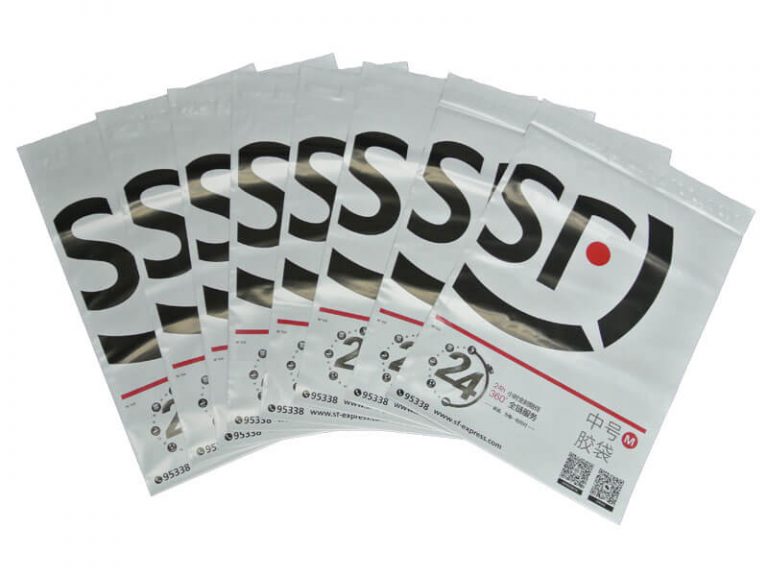
Not all tamper-evident options fit every SKU. Use an evidence-based match: low-value textiles often do fine with a standard adhesive closure and single tear strip; high-value items or regulated products get a reinforced tamper-evident seal, void-printing, or dual tear strips. Consider seal integrity tests (peel force testing) during prototyping so you don’t discover a failure after a holiday rush — that’s the worst timing, trust me.
Materials and eco trade-offs
Eco-friendly poly mailers range from recycled LDPE to biodegradable blends. Recycled films often provide good seal performance and recyclability but can vary in clarity and stiffness. Compostable films satisfy certain sustainability claims but may compromise adhesive performance in humid conditions. Balance recyclability, lifecycle impact, and functional needs (seal strength and tear strip reliability) when choosing material.
Prototyping and validation protocol
Run three tiers of tests before you commit to a production run: lab testing (peel and adhesion), simulated logistics (drop and compression), and live pilot batches (real mailstream). Use quantitative thresholds for acceptance — for example, average peel force above X N and zero catastrophic seal failures in 1,000 simulated cycles. Insist on first-article approval and document those acceptance criteria in the purchase order.
Quality control on the line
On high-volume lines, small variability compounds quickly. Implement inline checks for seal temperature, adhesive application consistency, and tear strip alignment. Statistical sampling and quick visual QC can catch drift early. For branded poly mailers, print alignment with the poly mailers bags logo should be part of QA — misprints degrade perception even if the seal is perfect.
Common mistakes and how to avoid them
Brands often stumble by prioritizing unit cost over functional specs, skipping real-world validation, or signing contracts without clear failure remedies. Another frequent error: assuming a supplier’s “eco” label guarantees adequate adhesive performance. Always request samples and test them in your exact fulfillment environment — not just the vendor’s lab. And yes, negotiate remedies for batches that fail your defined acceptance tests.
Alternatives and vendor posture
You’ll find three vendor archetypes: commodity film suppliers (low cost, high capacity), design-forward partners (custom films and prints), and hybrid providers that offer engineered tamper-evident systems. If speed-to-market matters, hybrids often give the best balance of customization and production agility. Ask potential vendors for documented case studies — real shipment data beats glossy brochures.
Real-world anchor
After the 2020 supply-chain disruptions, many brands rethought packaging resilience and supplier redundancy. That pivot changed priorities: where once MOQ and price ruled, now seal integrity and predictable lead times are equal decision drivers. The same logic applies when you’re specifying tamper-evident systems for high-volume poly mailers.
Framework summary — quick checklist
1) Define shipment stresses and sustainability targets. 2) Select closure type and tear strip strength to match risk. 3) Prototype with quantitative acceptance criteria. 4) Implement inline QC tied to those criteria. 5) Choose a vendor archetype aligned with your speed and customization needs. These steps reduce surprises and keep brand experience consistent — especially during peak seasons.
Advisory: three golden evaluation metrics
When selecting strategies or tools, use these metrics as your north star:
1) Seal reliability rate — percent of units passing defined peel and integrity tests in pilot runs. This predicts customer-level failure rates. 2) Supply consistency — vendor on-time delivery and batch variance (look for documented lead-time adherence). 3) Environmental fit — validated end-of-life pathway (recyclability, compostability) that matches your market’s waste infrastructure.
Pick vendors who score well on all three — they’ll save you money and headaches. For most teams trying to balance eco goals, tamper evidence, and brand presentation, that practical balance is exactly what WH Packing brings to the table. —