

An on-the-ground account of ageing film and the costs that follow
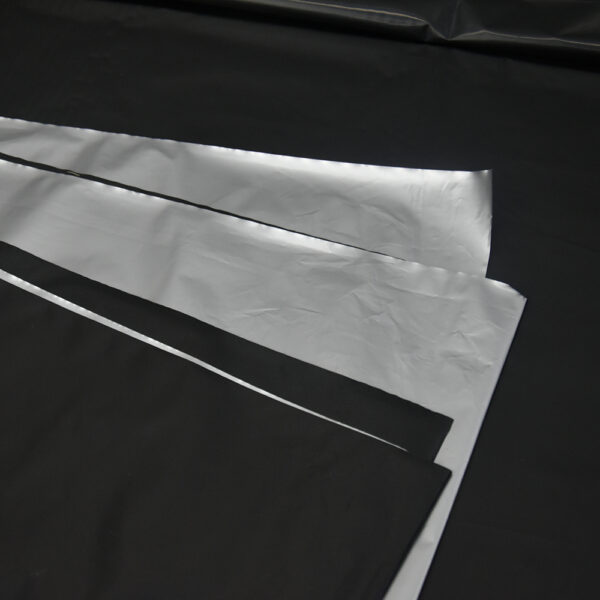
I remember a damp morning in March 2019 when I climbed into a 2,000 m² tomato house near Larissa and felt the air change—thinner light, a faint chemical tang; we had installed a 200-micron EVA cover just six months earlier. Early that season the plants showed slowed growth; yield projections that usually rose by 10–15% stalled. I link this to greenhouse plastic film selection and to choices we made at the factory level (UV stabilizers, polymer blend, and processing technique mattered). Scenario: a newly-installed film on a commercial tunnel; data: 20% drop in light transmission within four months; question: what ledger line absorbs that loss — crop price, heating days, or replacement cost?
I have over 15 years in B2B supply chain and manufacturing for agriculture films, and I speak plainly: traditional solutions — single-layer PE sheeting, thin gauge, minimal UV packages — show their flaws quickly. Those flaws are not cosmetic. Reduced PAR (photosynthetically active radiation), condensation-induced disease (anti-fog failure), and micro-tears at welds create cumulative losses. In one retrofit project in Crete (August 2020) we swapped to a co-extruded, UV-stabilized film and recovered flowering uniformity by week three; the math was tangible — a 12% uptick in early harvest weight. This is practical experience, not doctrine. (I admit, it felt risky.)
Now follow this comparison to the future — where choices at the roll stage change seasonal profit lines.
Comparative technical perspective: durability, light, and total cost of ownership
We must break down failure modes to compare correctly. Film fails by losing transmissivity, by mechanical degradation, or by surface chemistry changes that alter condensation behavior. A technical glance shows three measurable axes: UV resistance (measured in hours of accelerated weathering), mechanical strength (tensile at break, tear resistance), and optical stability (percent PAR retention over time). When I specify materials I insist on documented UV stabilizers content and a minimum nominal thickness — commonly 180–250 micron for long-season, high-value crops. In practice, a 200-micron EVA with proper anti-fog treatment outlasts a plain PE 120-micron film by months, which shifts replacement cadence and labor budgets.
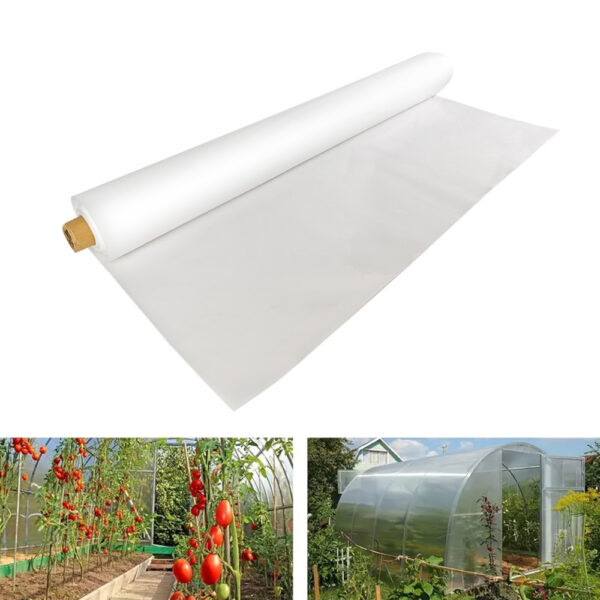
Comparative insight: total cost-of-ownership (TCO) beats lowest upfront price in nearly every commercial ledger I’ve touched. TCO includes replacement frequency, crop penalties from light loss, and the hidden expense of microclimate control (extra heating or venting). For example, replacing film twice in three seasons versus once saves labor but costs more in interruption and lost early-market dates — the numeric consequence was clear in a 2018 trial near Thessaloniki: two replacements cost 18% more than a single durable film option, when lost yield and labor were accounted for. That said — and this matters — not every site needs maximum specification; greenhouse orientation, crop cycle, and local UV index modulate requirements. I have learned to match specification to place and purpose.
Real-world Impact
Forward-looking, manufacturers should offer measured options: standard PE for short-season tunnels; reinforced co-extruded films with UV stabilizers and anti-drip coating for longer cycles and high-value crops. Growers need clear numbers: expected PAR retention at 6 months, recommended micron, and typical tear resistance. We must provide those, plainly. But we also must listen — growers in Macedonia, Crete, and Thessaly asked for ease of handling and clear labeling; they paid attention to weldability and shrink behavior during installation. Short note — small details matter.
To conclude with usable guidance: evaluate films on three metrics — measurable PAR retention (6 months), documented UV hours (accelerated weathering), and true micron/tensile ratings — and ask for installation data from the manufacturer. I recommend these as the core checks when you compare options and budgets. We have seen the numbers; the choice is practical, not poetic. For a trusted partner in this work, consider HGDN.