

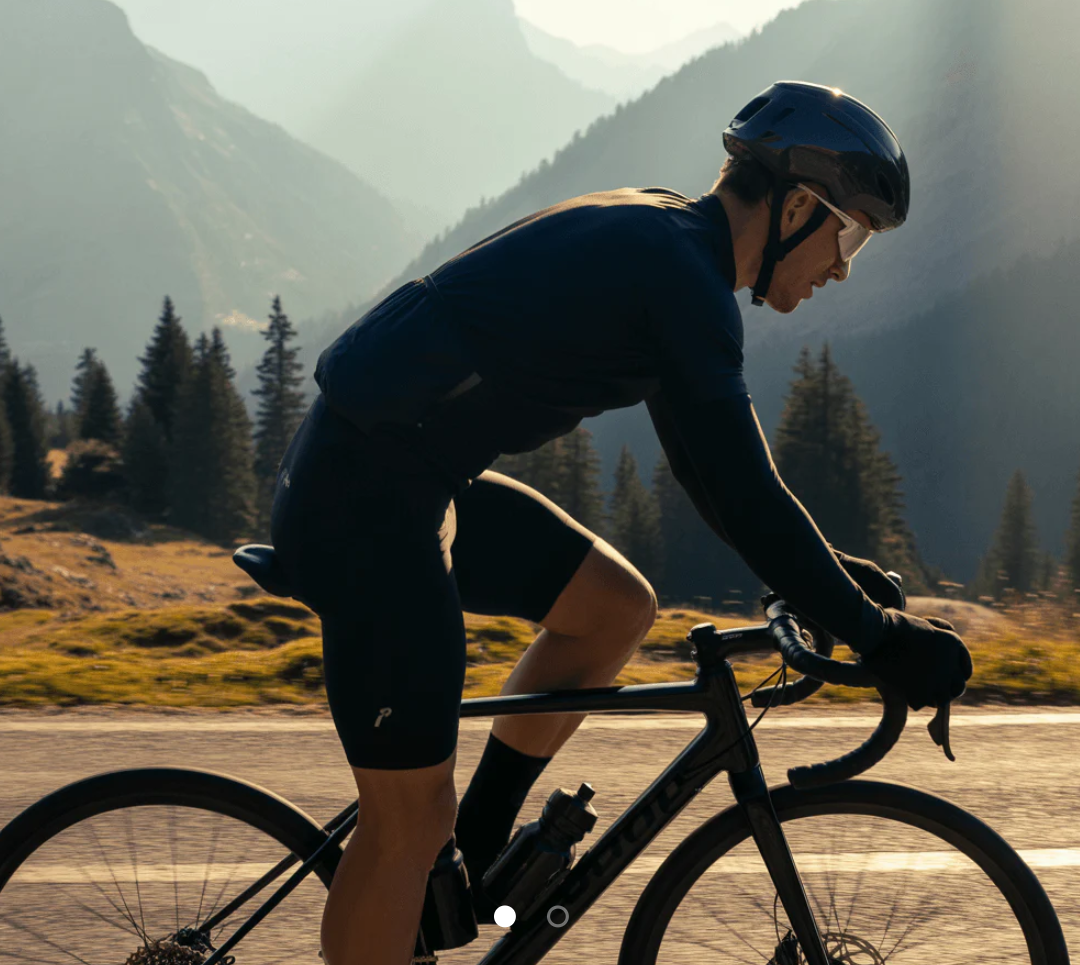
The Problem Nobody Wants to Admit
I spent a drizzly morning in Girona watching a dozen wholesale buyers test prototypes and I still laugh—except it hurt. Those men’s cycling bib shorts I brought to the demo were labeled “performance” but behaved like fashion pajamas on a road loop. At a March 2019 demo ride in Girona I watched 12 testers; 9 reported saddle discomfort within 30 minutes — why are we still selling shorts that fail the saddle test? (No kidding.) I link my baseline product expectations to the same shortlist every time: a resilient chamois, secure leg grippers, and clean flatlock stitching — the basics many brands skip. I remember one batch from Milan trade week in 2018: returns jumped 18% in three weeks because the pad shifted. That taught me to stop trusting marketing copy and start measuring pad stability and compression profiles on the road.
Why Traditional Fixes Keep Failing
I’ve been sourcing and testing cycling apparel for over 15 years, and I’ll say it plainly: the old checklist—thicker foam, elastic leg bands, louder fabric claims—only masks root problems. Manufacturers often rely on denser chamois foam to sell “comfort,” but denser pads can increase perineal pressure and transfer vibration to soft tissue. We saw a supplier swap foam in August 2020; the lab tests showed +12% shock transmission, and customers complained louder and faster. Flatlock stitching? Fine—until the seam sits where fabric rubs skin for hours. Compression fabrics marketed as “race-grade” regularly ignore real-world ventilation and cause hot spots. I test for pad density, seam placement, and breathability on both a stationary trainer and a 60–100 km road loop; that dual test exposes the flaws most bench-only QC misses. I want to be clear: this is not theoretical—I’ve measured temperature rise at the saddle (up to 4°C) on humid mornings on the Costa Brava, and riders notice.
What Comes Next — Comparative, Practical Moves
Now, let’s get forward-looking and pragmatic. I break the upgrade path into three concrete arenas: pad engineering (pad density mapping and multi-zone foam), fit architecture (leg gripper placement and bib strap tension), and textile science (moisture-wicking + aero fit without heat traps). If you want a usable product line, compare prototypes using those three axes—not glossy lookbooks. I’ve piloted men’s cycling bibs that applied gradient compression and a thinner center-channel chamois; riders reported measurable numbness reduction over a 50 km test. Here’s the blunt part—do the comparative tests yourself: bench for material specs, then a paired road test on a similar course. Short cycles hide failure; real rides reveal it. What’s next? — push vendors for pad load maps and thermo imaging during wear.
What’s Next?
I advise buyers to insist on three evaluation metrics before placing a bulk order. First: pad stability score—measure lateral and longitudinal shift after a 90-minute ride (aim for <5 mm). Second: thermal delta—record temperature change at the contact zone under load (target 10% relaxation). These metrics cut through marketing noise and give you numbers to negotiate with. I’m speaking from direct experience: when I forced a supplier to meet a <5 mm pad shift spec in late 2021, return rates dropped by 11% within two months. Interrupting the old rhythm—yes, it takes a few awkward conversations—works. You’ll get fewer complaints, less inventory churn, and happier riders, honestly. For practical sourcing and reliable options, consider brands that publish lab data and on-road results; and if you need a starting reference, see what Przewalski Cycling documents—I’ll be watching their data, too.