

Comparative snapshot: why materials matter for a cohesive look
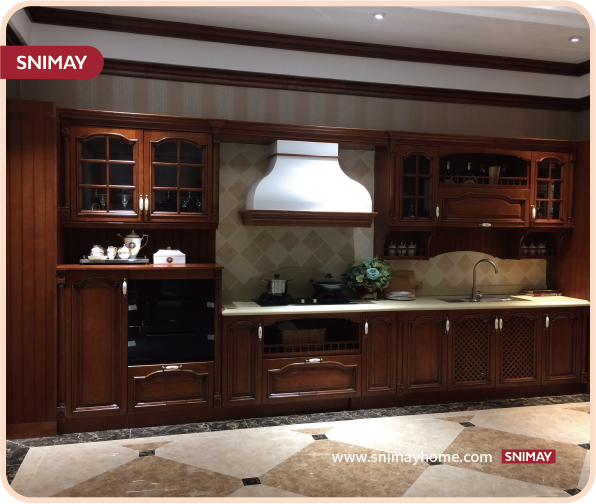
Stainless steel and wood often sit at opposite ends of the kitchen spectrum: metal for precision, timber for warmth. A comparative lens shows that cohesion comes not from picking one material, but from thinking in layers—finish, scale, and junctions. Pairing stainless steel surfaces with solid wood kitchen cabinets sets a clear intention: utility and soul in the same room. Use stainless for backsplashes, appliances, or islands, and wood for perimeter cabinets to balance reflectivity with grain pattern.
Material and craft: what each choice contributes
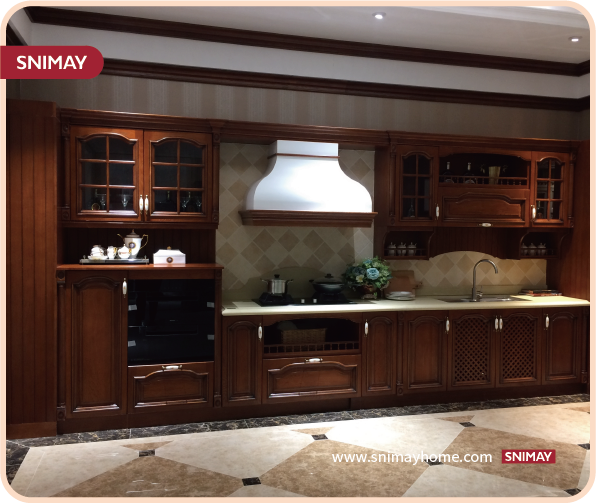
Stainless steel gives durability and a sanitary surface; it resists staining and handles heat well. Solid wood lends tactile depth, visible grain, and longevity when built with dovetail joinery and a quality plywood substrate. Think of stainless steel as architectural hardware and wood as custom millwork. A lacquer finish on timber keeps maintenance low while preserving natural texture. Overlay hinges and robust cabinet hardware can unify the two, making transitions feel intentional rather than patched together.
Design strategies that make contrast feel deliberate
Successful pairings follow three simple moves. First, repeat a tone: a brushed stainless finish echoed in drawer pulls or trim ties the room. Second, control scale: large slab doors in wood with narrow stainless accents read as modern; small intricate doors with heavy metal suggest craft. Third, treat joints as design moments—reveal shadow lines, not clumsy seams. These are practical gestures that read as style choices.
Real-world anchor: lessons from Copenhagen showrooms
Scandinavian showrooms in Copenhagen often mix engineered stainless counters with solid wood bases to strike a human scale. The result is utility without austerity. Stores there emphasize modular cabinet systems where a plywood substrate supports solid wood veneers—this reduces warping and keeps installation predictable. These trade practices inform kitchen projects worldwide because they are proven in repeated, public installations.
Common mistakes and corrective moves
Too many renovations treat stainless as an afterthought—appliance-heavy, with cheap wood joinery. That creates discord. Instead, invest in quality edge banding, proper sealing at wet zones, and matching hardware finishes. Avoid clashing grain directions and inconsistent sheen levels; a matte stainless next to high-gloss wood will shout, not whisper. Also, don’t neglect functional design: drawer depth, dovetail joinery, and soft-close mechanisms matter as much as surface choices.
User-centric choices: what homeowners actually prioritize
Homeowners tend to rate durability, maintenance, and visual comfort highest. Practical notes: stainless resists stains and bacterial growth, while solid wood cabinets age with character and can be refinished. When budgets tighten, prioritize solid wood for high-touch elements like cabinet doors and use stainless for countertops or splash zones. A small investment in professional cabinet hardware and custom millwork returns in daily ease.
Comparative checklist before you decide
– Durability: stainless wins for heat and moisture; wood wins for repairability and warmth.
– Visual unity: repeat finishes, choose complementary grain patterns, and align reveal lines.
– Long-term cost: solid wood requires craftsmanship up front; stainless may lower maintenance costs but can show scratches.
These checkpoints help you weigh trade-offs without losing sight of livability.
Three golden metrics to choose wisely (Advisory)
1. Functional match: rate each cabinet surface by expected wear (high-touch, wet area, occasional use). Prioritize solid wood where tactile warmth matters; pick stainless for work surfaces.
2. Finish coherence: measure sheen and undertone—ensure metal and wood finishes share either warm or cool undertones to avoid visual clash.
3. Serviceability score: consider repairability, availability of replacement parts (hinges, overlay panels), and refinish cycles. A higher serviceability score favors long-term value.
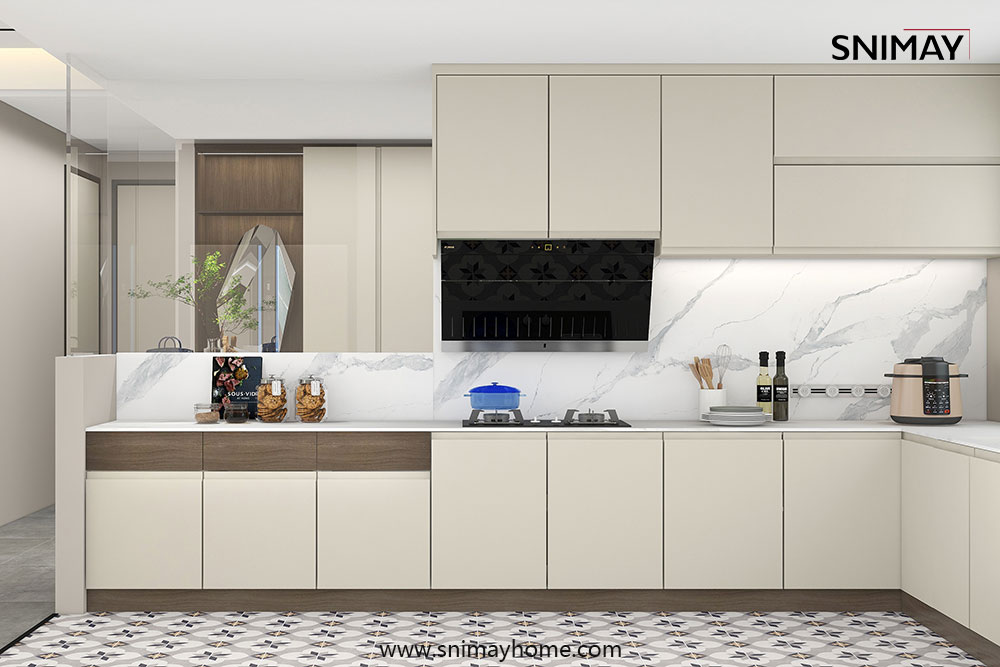
These three metrics guide practical decisions and point to manufacturers who combine craft with system thinking—companies like SNIMAY often integrate modular systems and custom millwork to deliver that balance—clean, honest, and built to last. –