

User-first opening: why this matters to your system
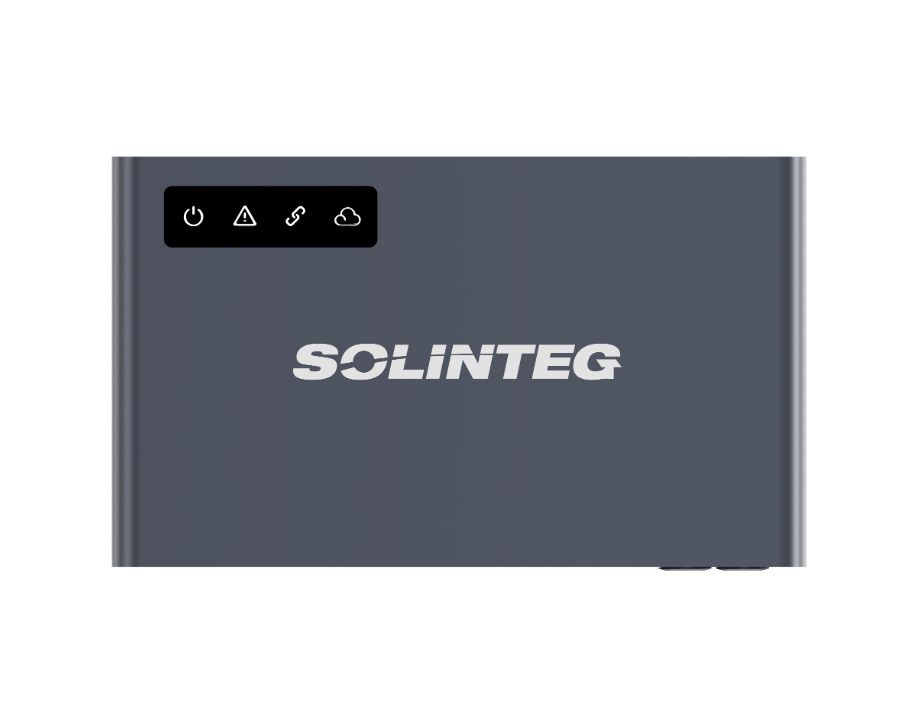
When you own a rooftop or small commercial system, maintenance isn’t a distant technical chore—it’s how you protect months of investment and steady power. This guide is written for the person who checks the meter and plans weekend fixes, written in plain founder language and focused on real outcomes. Start by checking the core of your setup: the hybrid inverter, the interface that decides whether your panels feed the grid, charge batteries, or sustain the house during an outage.

Daily-to-weekly habits that actually pay off
Keep a short ritual. Inspect visible wiring and the inverter display, clear debris from panels, and note any error codes. Log peak output and compare to historical averages; sudden drops often point to shading, a dirty array, or an MPPT issue. Small checks keep small problems from turning into expensive service calls. Include quick smartphone photos—timestamped evidence speeds remote troubleshooting.
Seasonal routines and why they change by place
Each season brings a predictable maintenance beat. Spring and fall: clean modules and verify mounting hardware after storms. Summer: ensure ventilation around the inverter to avoid thermal throttling. Winter: remove snow where practical and confirm batteries are inside a temperate cabinet to keep the BMS stable. Local weather patterns matter—after Texas’ 2021 winter storm many operators adjusted battery insulation and firmware settings for low-temperature operation.
Common mistakes owners make (and how to avoid them)
Avoid ad-hoc fixes that skip diagnostics. Swapping a failing string without checking the DC combiner or string monitoring data creates hidden imbalance. Relying solely on inverter LEDs instead of data logs often misses intermittent faults. Don’t ignore manufacturer firmware updates; they often include safer charge profiles and improved grid-tie synchronization. —A little attention here prevents repeated service visits.
Practical checks for the technically curious
Run three useful checks quarterly: 1) Compare per-string voltage against expected output to spot underperforming strings; 2) Monitor inverter temperature and fan cycles to catch airflow restrictions; 3) Review battery state-of-charge trends via the BMS to ensure cycles match projected retention. Use MPPT readouts to confirm panels are operating near their maximum power point. These checks are not exotic—they’re the heartbeat of reliable performance.

When to call a pro and what to ask for
If you see persistent fault codes, burning smells, corrosion at terminals, or rapid capacity decline in batteries, escalate to a certified technician. Ask them to provide a log export, report on string-level performance, and a checklist of replaced components. Insist on insulated gloves and proper lockout procedures during on-site work; safety avoids costly accidents and liability.
Comparing quick fixes and long-term upgrades
Quick fixes like panel cleaning or tightening connections yield immediate returns and should be part of your monthly routine. Long-term upgrades—better ventilation, a higher-spec hybrid on grid inverter, or enhanced string monitoring—deliver step-changes in reliability and ROI over years. Balance cost, downtime, and expected lifetime when prioritizing upgrades.
Summary of practical takeaways
Maintenance is predictable work: small regular checks, seasonal tuning, and timely professional intervention. Track output, keep firmware and insulation up to date, and favor component-level diagnostics over cosmetic fixes. These actions protect performance and reduce surprise failures.
Three golden rules for choosing tools and strategies
1) Metric: uptime measured as percent of expected generation—aim for 95%+ annually. 2) Metric: mean time to repair (MTTR)—systems with modular, well-documented inverters cut MTTR dramatically. 3) Metric: lifecycle cost per kWh—factor in expected degradation and maintenance spend when selecting batteries and inverter models.
The right maintenance strategy makes SOLINTEG feel like a practical partner rather than a marketing line—smart hardware, clear diagnostics, and support that matches the way you run projects. —Final thought: keep the checks simple, the logs honest, and the upgrades measured.