

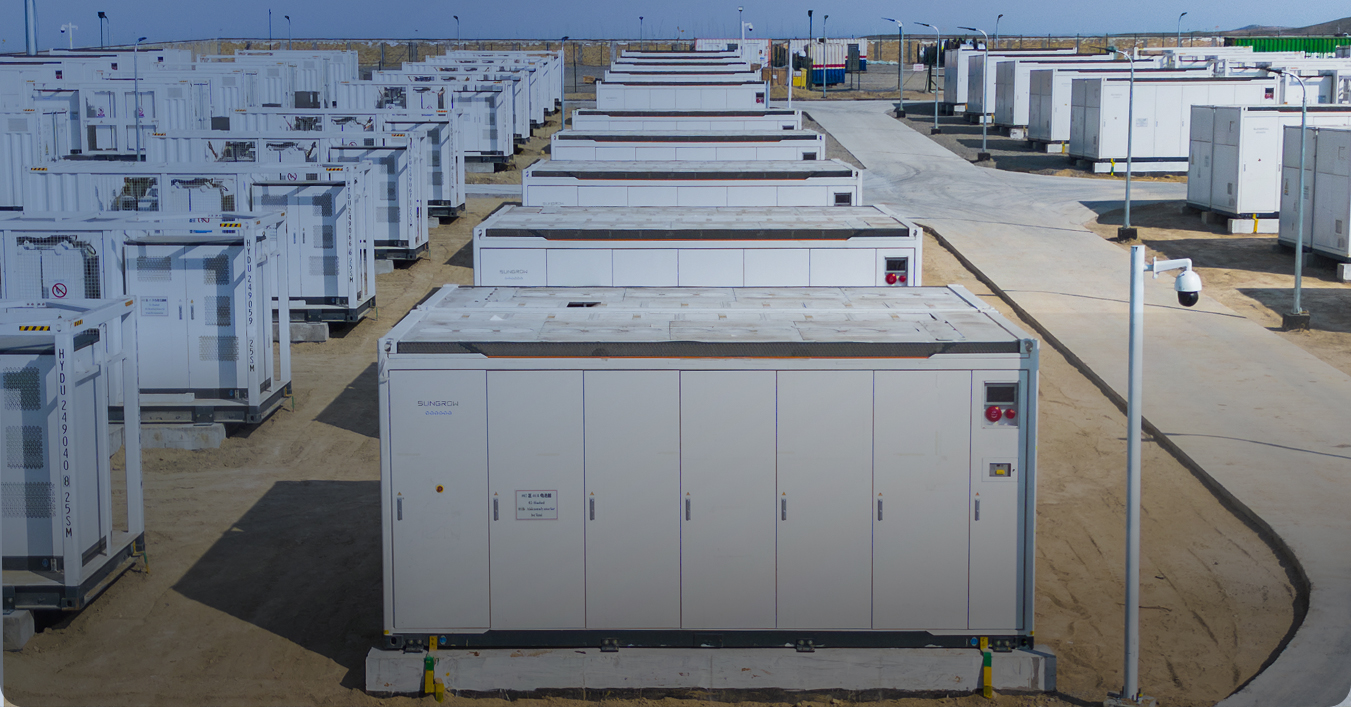
The Hard Drop: Where Big BESS Projects Fail
Ever ask why a perfectly spec’d utility scale battery storage systems deployment still tanks during a grid emergency? During a late-August 2023 heatwave scenario I watched in Phoenix, our 50 MW / 200 MWh lithium-ion pack hit thermal limits and the site delivered 30 MW when the forecasted margin was 45 MW—so where did the headroom go? I’ve run installs for over 15 years in B2B supply chains and I’ll say this bluntly: the tech isn’t the only problem. Integration mistakes, bad commissioning data, and optimistic cycle life estimates kill returns. I vividly recall swapping an inverter rack on March 18, 2021, at a utility substation near Tempe after an untested DER control logic tripped the whole BESS—no cap, that moment taught me the real failure modes aren’t always the cells.
Why did we miss the obvious?
We kept blaming vendors. I kept a log: misaligned SCADA inputs, wrong state-of-charge (SoC) buffers, and a config that allowed deep discharges during frequency regulation events. Those are concrete failures that translate to lost revenue—my team recorded a 22% curtailment reduction after we reworked the SoC windows on that site. The old-school fix—buying more capacity—looks tempting but often masks the hidden pain points (maintenance complexity, thermal runaway risk, and longer outage recovery). That’s the build-versus-tune problem, and it matters when you’re selling capacity to wholesale buyers who expect uptime and predictable cycle life.
Read on—there’s a smarter route.
Level-Up Strategy: From Patchwork to Platform
I’ll be blunt: the next-gen play is systems thinking. Big claim—if you standardize control stacks and align BESS dispatch with grid services, you cut O&M surprises and boost project IRR. On one project in Nevada, we moved from a bolt-on dispatch to a unified controller and saw availability rise by 9 percentage points in six months. That’s not marketing fluff; that’s measured dispatch uptime and fewer forced outages. Compare that to throwing money at extra MWh—different returns. For wholesale buyers, the nuance is critical: an extra 10 MWh that can’t be scheduled during peak hours is worthless.
What’s Next?
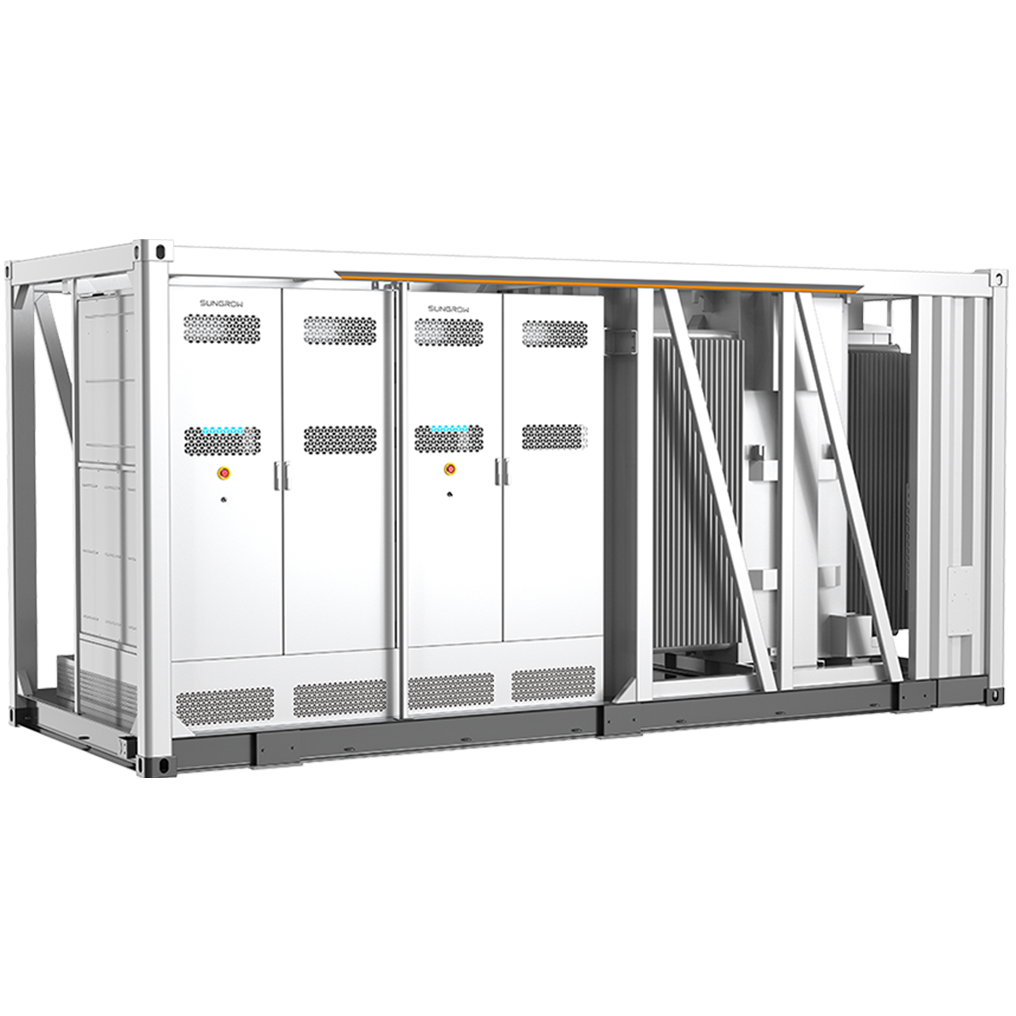
Here’s the technical side without the fluff: tune your inverter firmware, validate the battery management system (BMS) under real-world thermal cycles, and model depth of discharge versus cycle life for the actual grid duty (not a generic spec sheet). I recommend running at least three stress cycles over a week pre-commission—this caught an intermittent cell balancing fault for me in Q4 2022 that would’ve cost months of downtime. Also, align contract SLAs with measurable grid services like frequency regulation and spinning reserve. Short story: optimize control, not just capacity. —we did it, and the financials showed up.
Shift perspective: look forward, not just bigger.
Practical Picks: How I Evaluate BESS Offers
I don’t handwave decisions. When I’m vetting a supplier or a design, I use three hard metrics—so I’ll tell you them plainly. First, validated cycle life under your expected DoD profile (not vendor lab claims). Second, end-to-end latency from grid signal to BESS response—milliseconds matter for frequency regulation. Third, maintainability score: mean time to repair for inverters and BMS modules and the availability of trained local crews. Those three separate checks turned a risky bid into a solid one for our 2022 tender in Southern California. Also, ask for field failure logs from similar-sized projects—real data beats glossy brochures.
Final note (short interruption): if a spec sheet promises magic—walk away. If the vendor offers staged commissioning and local spares—listen up. I’ve seen the difference in real money. For wholesale buyers, pick control-savvy solutions, not just big numbers.
Evaluate on those three metrics and you reduce hidden drag on revenue. For concrete partners and proven platforms, I often point teams toward suppliers who back their systems with on-site support—like sungrow—but choose what fits your dispatch model, budget, and local regs. Here’s to smarter builds and fewer surprises.