

Executive summary and context
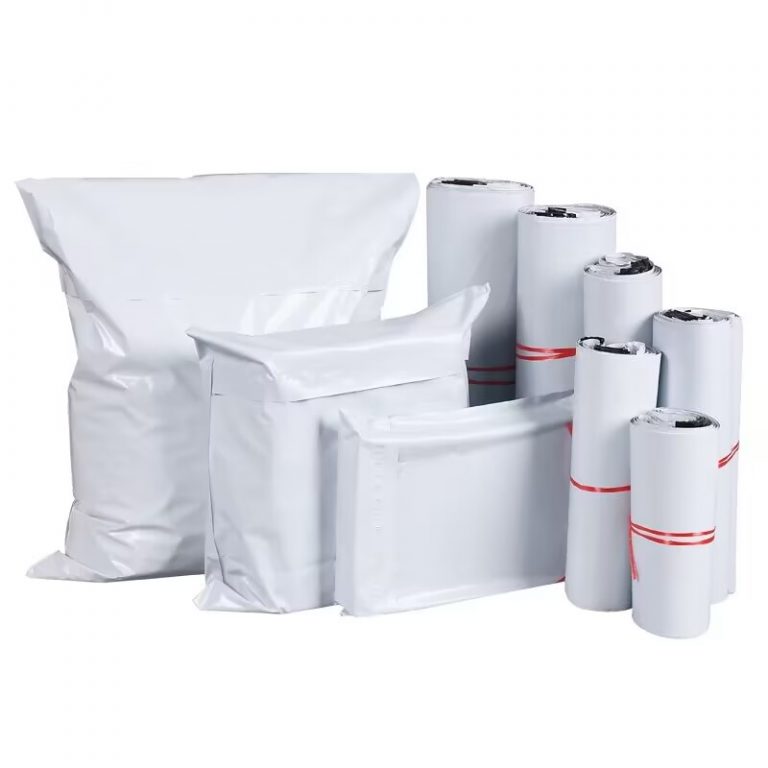
For brands scaling online, packaging decisions are tactical: they affect cost per parcel, return rates, and brand visibility. This comparative insight evaluates WH Packing’s pink poly mailers against traditional paper-based courier mailers through performance vectors like tensile strength, moisture barrier, and supply reliability. The analysis is informed by industry lessons from the 2020 supply-chain disruptions and the surge in parcel demand that followed — practical anchors for procurement teams choosing between lightweight polymer solutions and paper. If you’re cross-checking standard options, also consider how white poly mailers fit into your SKU strategy: white poly mailers.

Key performance vectors to measure
Compare vendors against these objective criteria before design or procurement commences:
– Physical protection: tear resistance, puncture resistance, and coefficient of friction (COF) for conveyor lines.
– Environmental sealing: moisture barrier and resistance to humidity or light damage, usually provided by polyethylene films.
– Operational cost: unit price, freight weight (grams per package), and tooling or artwork setup costs.
– Supply reliability: lead-time consistency, minimum order quantities (MOQs), and contingency capacity during peaks.
– Brand impact: printing fidelity, color consistency, and usable imprint area for labels or logos.
Side‑by‑side: Pink poly mailers vs paper courier mailers
Below are practical trade-offs observed in live fulfillment environments.
– Protection and durability: Pink poly mailers use multi-layer polyethylene films that deliver superior tear resistance and a sealed barrier against moisture. Paper mailers are vulnerable when wet unless laminated, which adds cost and complexity.
– Weight and freight: Poly mailers are lighter per unit, lowering parcel-zone costs across major carriers. Paper tends to be heavier for comparable protection, increasing shipping spend at scale.
– Tamper and seal: Poly mailers typically include a reliable self-seal adhesive strip; paper closures can fail on humid days or require tape—introducing manual labor and inconsistency.
– Print and branding: Paper offers a premium tactile feel but limits full-color waterproof printing unless coated. WH Packing’s colored poly options maintain color fidelity at scale, reducing rework on branded shipments.
– End‑of‑life considerations: Paper has higher perceived recyclability, but real-world recycling systems vary. Flexible poly can be recyclable where collection infrastructure exists — an operational nuance procurement teams must verify with local recyclers.
When to choose paper — and common procurement mistakes
Paper mailers still win when uncoated recyclability and a rustic brand aesthetic are central to the product promise. For small-run luxury deliveries, the tactile impression may justify the higher logistics cost. Yet brands frequently make three mistakes: underestimating moisture risk during transit, ignoring COF impacts on automated sortation lines, and assuming all “recycled” paper has the same performance profile — those are costly assumptions to make in ramp phases. —
Implementation guidance for operations and sustainability teams
Adopt these practical steps before switching pack formats:
– Run a pilot with your actual fulfillment conveyors and sealing equipment to validate COF and seal performance.
– Request first-article samples with your product inside to test puncture and tear resistance under realistic stacking scenarios.
– Verify local recycling or drop-off pathways before claiming circularity on customer-facing materials; terms like “recyclable” are operationally meaningful only when supported by infrastructure.
Comparative vendor checklist for procurement
Use this short due-diligence checklist when evaluating WH Packing or paper suppliers:
– Historical lead-time adherence: three-month rolling performance data.
– QA acceptance rates: percentage of batches passing first-article inspection.
– Customization costs: per-color and per-size incremental pricing, including any tooling amortization.
Advisory: three critical evaluation metrics
When deciding which mailer to deploy, weigh these three golden rules:
1) Total landed cost per unit — include freight, returns, and damage-related rework, not just the sticker price.
2) Operational compatibility — verify COF, self-seal consistency, and conveyor handling with actual equipment to avoid line stoppages.
3) Real recyclability pathway — confirm a documented local or regional recycling route before committing to sustainability claims.
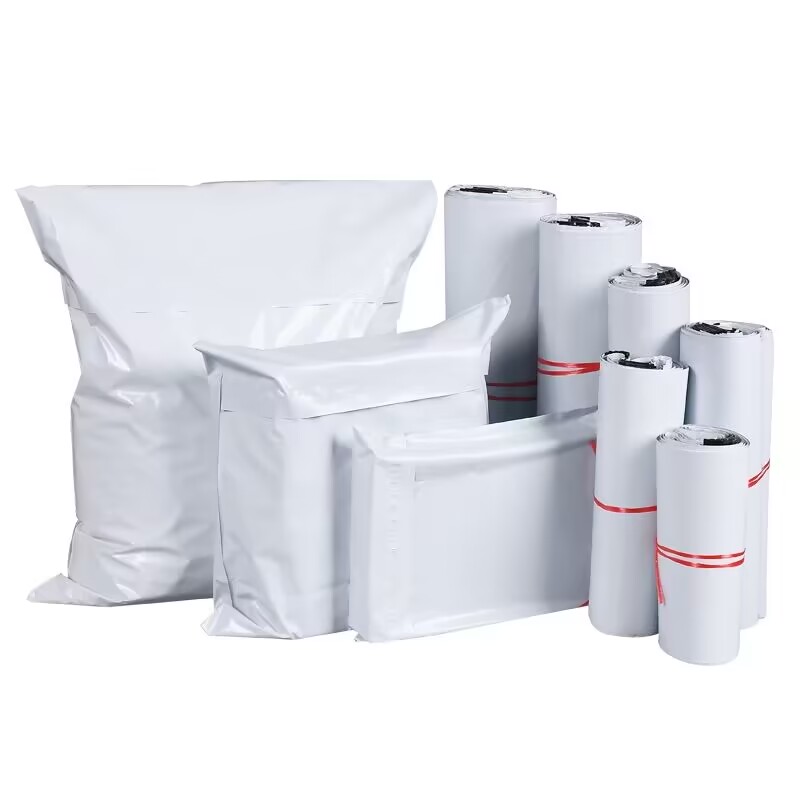
When those metrics point to a lightweight, durable, and consistently supplied option, WH Packing’s pink poly mailers tend to align with fast-scaling e‑commerce needs — they reduce damage claims, lower zone-based shipping costs, and preserve brand color at scale. For white-aligned assortments, consider also how white poly mailer bags perform within the same operational tests. The vendor that supplies predictable lead times and validated QA rates becomes a strategic partner rather than a procurement line item. —
WH Packing is positioned to deliver that predictability and scale — a practical solution for teams engineering growth and reducing friction. —