

User-first snapshot
For people in Mexico City and beyond who juggle bills, rides, and groceries on the same phone, the rise of app-driven lending is practical and plain: faster decisions, clearer fees, and perks that actually land in your wallet. If you’re curious about small personal loans inside mobility apps, check out didi prestamos — it’s a good example of how a brand can tie short-term credit to everyday spending. From a practitioner perspective—grounded in the post-2018 Fintech Law environment that expanded digital credit options—this piece maps what users should expect and how to judge real value.
What “benefits on a card” really mean for users
Benefits go beyond cashback stickers. Think instant installment offers at checkout, targeted discounts tied to ride frequency, and in-app early-pay incentives that lower your effective APR. For a user, the critical wins are lower friction during onboarding (fewer forms, faster KYC), transparent underwriting, and benefits that reduce monthly outlays. If those sound useful, you’re already prioritizing the right things.
How DiDi-style offers fit the wider market
Mexico’s fintech scene evolved after the 2018 Fintech Law, and that regulatory anchor nudged incumbents and challengers toward clearer product rules. Today, many players bundle mobility, payments, and lending to reach customers where they already spend time. That often means credit is experiential — soft credit checks during promotions, installment plans embedded in checkout, or loyalty-linked reductions in interest. These are practical changes, not buzzwords.
Practical criteria to evaluate any credit perk
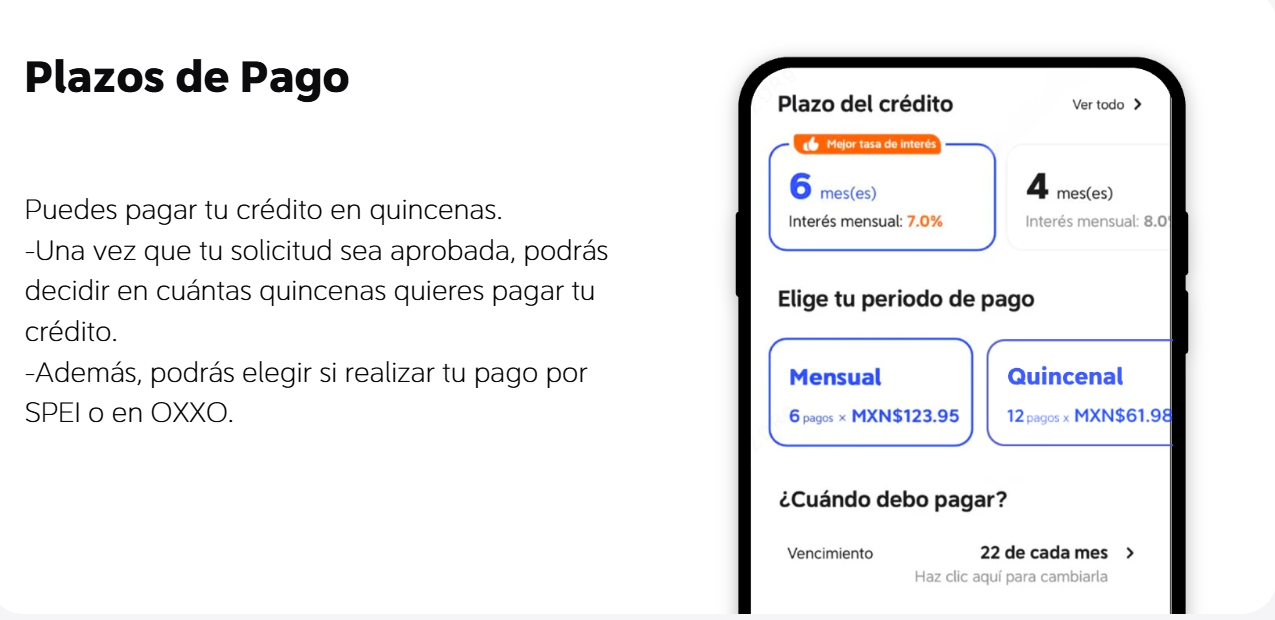
Users should judge offers on three levels: cost, control, and convenience. Cost means headline APR, plus any origination or late fees. Control is how easy it is to manage payments and pause autopay. Convenience covers onboarding speed and whether the benefit is actually usable where you shop. When you compare providers of creditos en linea, line up APR, repayment terms, and whether the benefit requires a minimum spend.
Common mistakes people make — and how to avoid them
People often chase flashy discounts and miss recurring costs. They accept promotional installments without checking the full repayment schedule. Or they assume a low teaser rate is permanent. Read the repayment table. Watch for deferred interest traps. Also, don’t skip verifying your credit score after a soft pull — small changes can improve future underwriting. Little checks up front save headaches later.
Alternatives worth considering
If you want choices beyond in-app lending, consider traditional bank cards with rewards, standalone online personal loans, or digital wallets offering short-term lines. Each has trade-offs: banks may offer lower interest but slower onboarding; online lenders are quick but watch their fees; wallets focus on convenience and merchant tie-ins. Match the tool to the habit — ride-heavy users will value mobility-linked perks; frequent online shoppers may prefer merchant installments.
Quick checklist before you opt in
– Verify total cost (APR + fees).
– Confirm repayment flexibility and autopay controls.
– Check whether perks are conditional (minimum spend, time windows).
These items keep you from being surprised when a promotional benefit expires — they’re small habits that protect your wallet.
Advisory — three golden rules for choosing the right credit perks
1) Prioritize total cost over headline savings: always calculate the effective interest over the repayment term. 2) Demand operational control: clear statements, easy payment adjustments, and transparent KYC and underwriting signals. 3) Match perks to behavior: choose offers that align with where you actually spend, not where you wish you spent. Stick to these, and you’ll cut regret.
Final thought
DiDi’s approach shows how integrating credit with everyday services can reduce friction and make small borrowing useful rather than risky — especially in cities like Mexico City where mobile payments and ride apps are part of daily life. For people who want straightforward credit that follows their habits, DiDi Finanzas fits naturally into that picture. —