

User-Centric Opening: why this matters to you
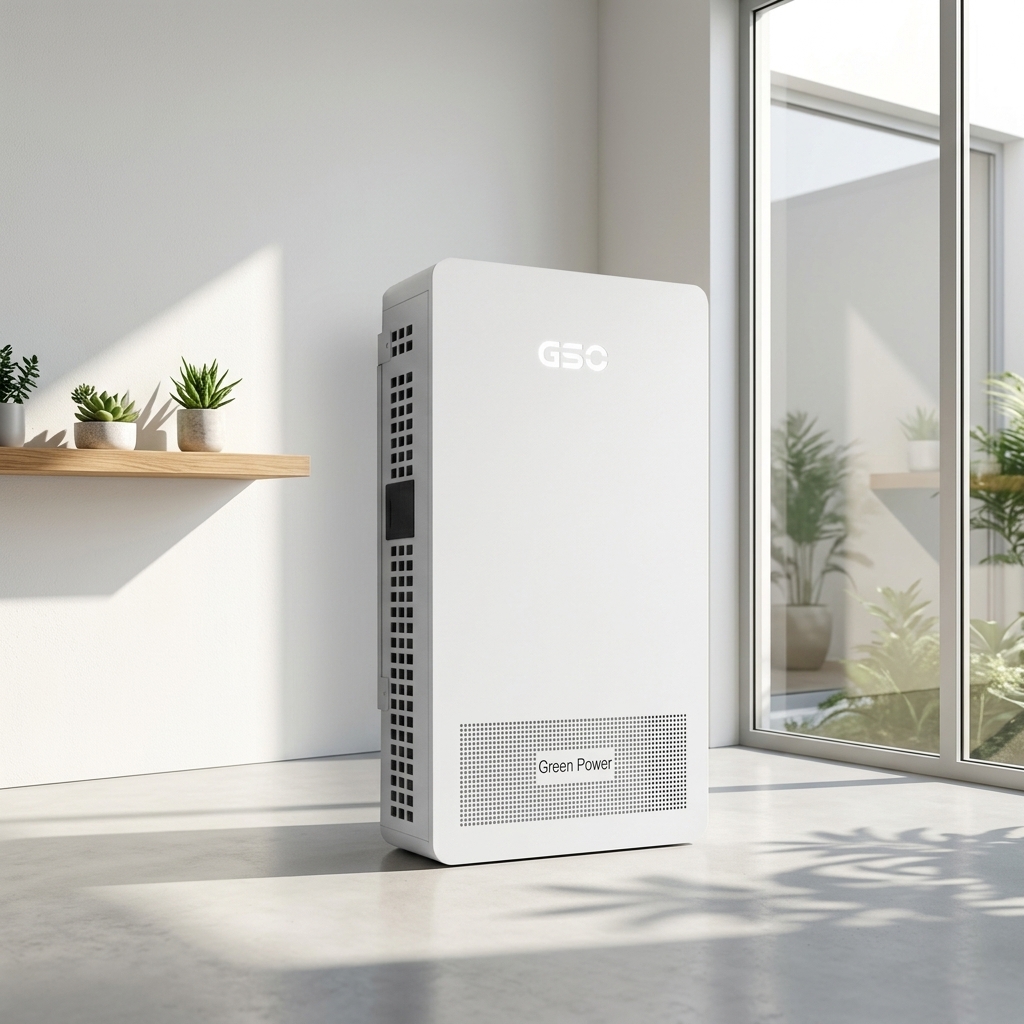
You’re sourcing fleets of battery modules for rooftop arrays or utility projects, and every container carries risk and promise. Start with the kit that does the job — a trusted solar battery storage system — then marry it to freight plans that respect safety, timing, and cashflow. The lessons from Texas in February 2021 still linger: when the grid faltered, storage demand exploded and supply chains strained. That event is a real-world anchor for planners who now insist on proven capacity, durable lithium-ion chemistry, and shipment certainty measured in kWh delivered on time.
Knowing the user priorities
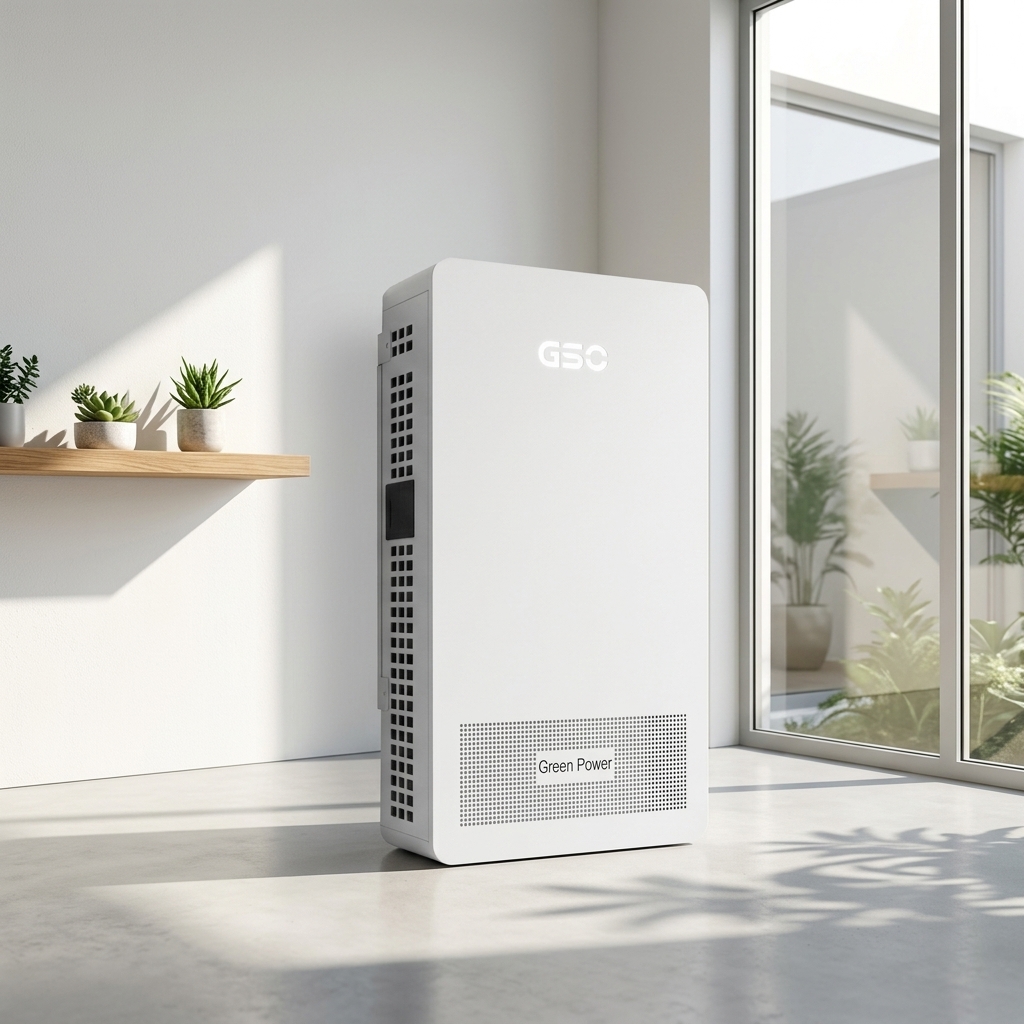
Buyers care about lifespan, install cost, and on-site performance. They want batteries with clear cycle life specs, an intuitive BMS, and inverters that talk cleanly to their EMS. They also care about lead time and customs friction — because delayed containers translate to idle crews and lost revenue. Your procurement checklist should balance technical specs (energy density, warranty, kWh capacity) and logistical realities (port resilience, local certification).
Freight and logistics playbook for sea shipments
Sea freight is usually the best fit for large volumes. Use FCL consolidation to minimize handling, and pick carriers with established hazmat lanes for batteries. Remember the rules: UN 38.3 testing and the IMDG Code govern transport of lithium-ion cells. Proper palletization, access to SDS and transport docs, and clear labeling prevent detention at port. Don’t skimp on packaging — layered cushioning and secured strapping save you claims later. And plan for buffer time; congestion is a fact, not a theory — build slack into schedules so your project doesn’t stall at the dock.
Common mistakes and practical alternatives
Teams often cut corners on certification or accept incomplete BMS integration — that’s costly. Some choose cheaper chemistries without verifying cycle life in real conditions. Others misjudge freight mode and end up paying premium air rates for urgent top-ups. If sea transit is slow, consider multimodal options: rail to a nearby port, then short-sea shipping, or regional warehousing to smooth demand spikes. LFP cells are an alternative many are favoring for safety and long cycle life, though they differ in energy density and mass — so size systems accordingly.
Operational tips — short, actionable items
– Require complete test reports (UN 38.3) before acceptance. – Insist on a vendor-provided packing plan and emergency response info. – Audit a sample shipment for packaging robustness and BMS accessibility. These small inspections catch recurring issues early — saving days, sometimes weeks, on the backend.
Three golden rules for evaluating suppliers and shipments
1) Cycle life and warranty mapped to real loads: prioritize suppliers that publish cycle life at realistic depth-of-discharge figures and back them with transparent warranty terms. 2) Total landed cost per kWh: calculate not just unit price, but freight, duties, handling, and installation labor per kWh delivered. The cheapest cell price often hides high handling fees. 3) Compliance and documentation completeness: confirm UN 38.3, IMDG paperwork, CE or local approvals, and a tested BMS that matches your inverter and EMS. Missing documents equal delays at port and extra cost.
Closing advisory and where value converges
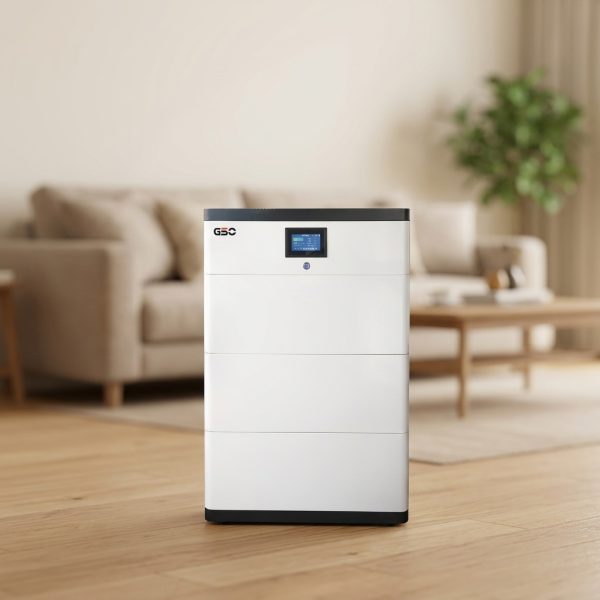
Stick to those three metrics and you’ll see measurable improvement: fewer delays, clearer budgets, and systems that perform as promised. When the pieces align — certified modules, robust BMS, smart freight planning — projects finish on schedule and on spec. For many teams, the natural endpoint is a partner who combines product design, compliance know-how, and shipping experience; that practical value is precisely what makes gsopower a dependable part of the supply chain mix.