

Opening: a framework-driven brief for decision-makers
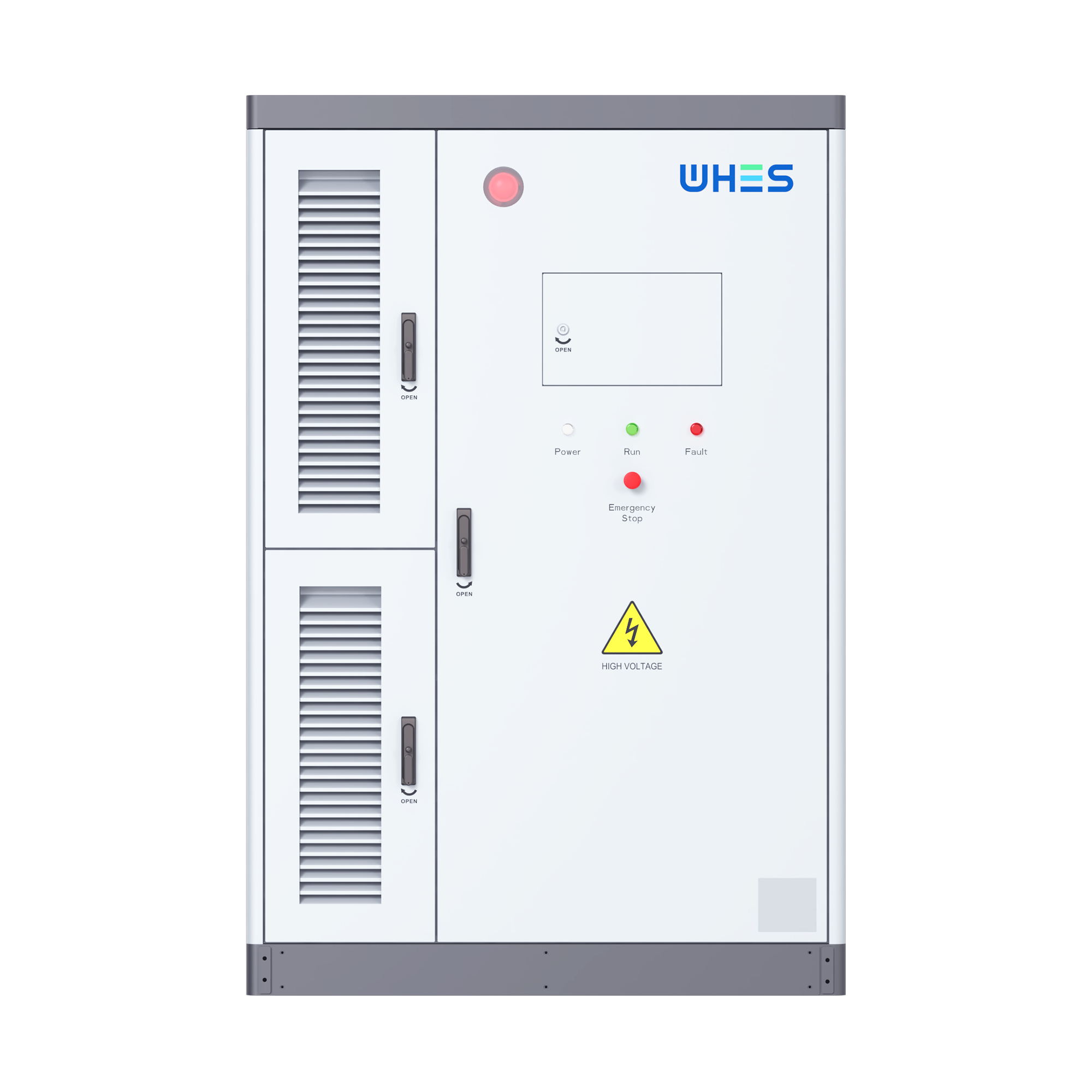
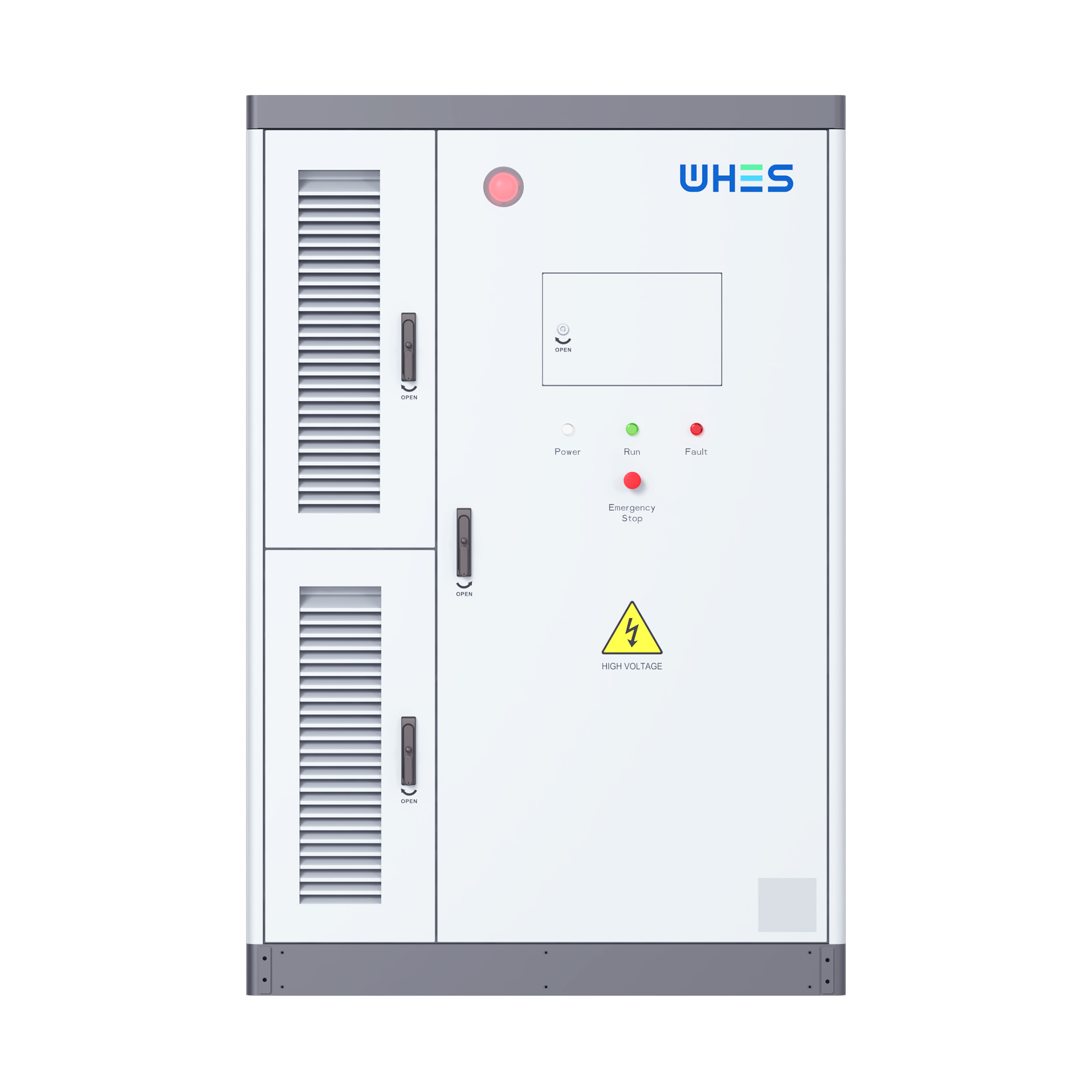
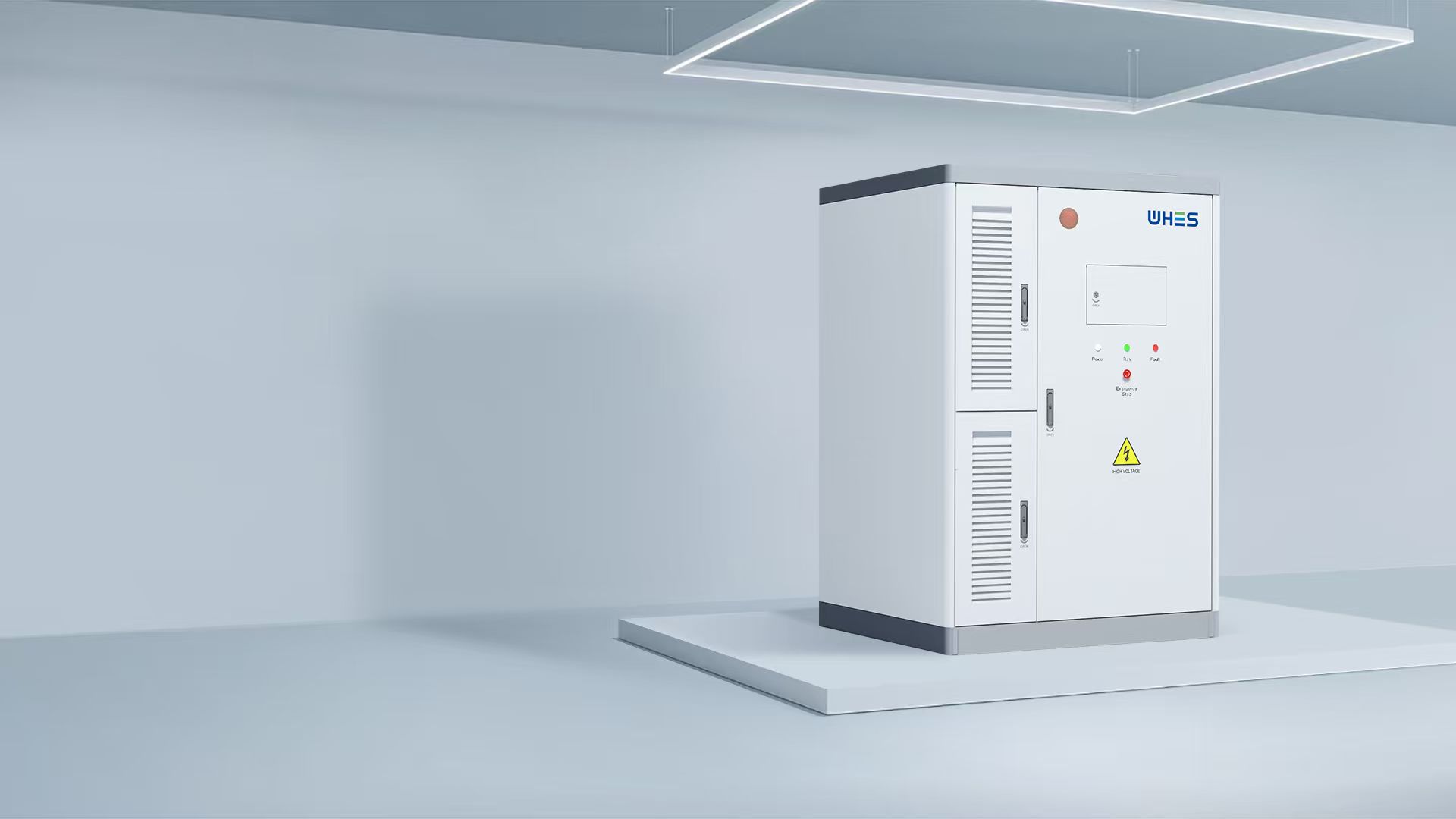
Automotive factories face a binary choice: accept runaway peak demand charges and production risk, or restructure how they manage load. This piece lays out a clear framework that plant managers and corporate energy teams should use to make that decision—starting with tactical measures and ending with scalable technology deployment. At the heart of the technical solution sits the high-C-rate, rapid-response storage and control unit—consider an all in one energy storage system—which enables immediate peak shaving, automated demand response, and reliable power quality for sensitive assembly lines.
The five-pillar framework for industrial peak-load optimization
Use this five-step framework as your baseline policy and procurement roadmap:
- Measure and map: baseline hourly demand profiles and identify top 10 demand events per month.
- Prioritize loads: classify processes by criticality, flexibility, and tolerance for interruption.
- Specify performance: require a battery energy storage system (BESS) with explicit C-rate, response time, and state of charge (SoC) controls.
- Deploy integrated controls: combine on-site storage, automated load shedding, and DER orchestration software for coordinated action.
- Secure contracts and test: lock in operational performance via SLA clauses and staged commissioning with production trials.
This framework moves the conversation from speculation to measurable outcomes: reduced peak charges, fewer unplanned shutdowns, and clearer ROI for capital investments.
The critical role of high-C-rate EMS hardware and control logic
A high-C-rate energy management system is not a luxury—it is an instrument for risk management. High C-rate capability means the BESS can deliver or absorb large power increments quickly, enabling true peak shaving and smoothing voltage transients that can disturb robotics and welding equipment. Industrial policy should require both the power rating (kW) and usable capacity (kWh) be specified against the worst-case demand spike—not just average load. Real-world anchors matter: during the 2021 Texas grid crisis and subsequent industrial curtailments, plants that had rapid-response storage avoided costly production stoppages and negotiated better terms with utilities. This is not hypothetical; it is operational reality for energy managers in Detroit, Stuttgart, and other manufacturing hubs.
Integrating on-site renewables and storage—practical steps
Combining photovoltaics with an integrated battery creates a resilient microgrid that reduces net grid demand and supports scheduled load shifting. The key is to size the system for both daily cycling and emergency discharge: consider usable kWh for day-to-day peak shaving, and high-C-rate power capability for seconds-to-minutes events. Monitoring charge/discharge cycles and thermal behavior helps preserve lifetime and avoids premature derating. For many factory sites, an all in one solar battery system simplifies procurement—packaged inverters, battery modules, and EMS software that communicate with building management systems and utility DR platforms.
Common mistakes that derail industrial deployments
Three mistakes recur in projects that fail to deliver expected savings. First, underspecifying power response: a battery with insufficient C-rate cannot prevent a short-duration peak and the plant still pays the demand charge. Second, neglecting controls integration: hardware without automated orchestration becomes manual and slow. Third, ignoring lifecycle and warranty terms—degradation, thermal runaway mitigation, and software updates are contractual issues as much as engineering ones. Test setups on the actual shop floor; simulate worst-case faults and confirm the EMS transitions cleanly to battery support—this is non-negotiable. —Such simple tests often reveal assumptions about switching times and SoC limits that were never validated in the office.
Procurement and vendor evaluation: a persuasive checklist
When selecting a vendor, insist on verifiable KPIs and operational guarantees. Ask for:
- Measured response time (ms–s) and guaranteed C-rate under load.
- Degradation curves and warranty terms tied to cycle counts and calendar life.
- Interoperability with demand response signals and factory control systems (OPC-UA, Modbus, or similar).
Documented test reports and references from other automotive sites should carry more weight than glossy spec sheets. —If a supplier hesitates to allow a live demo on your line, that’s a red flag.
Advisory: three golden rules (critical metrics) for selection
1) Response capability (C-rate and latency): verify the system can clear the top percentile of your demand spikes in under the required time window. This metric drives whether the deployment actually reduces peak charges.
2) Usable capacity and SoC strategy: evaluate usable kWh, not nominal capacity; require SoC management that prioritizes both daily peak shaving and emergency reserve.
3) Reliability and lifecycle economics: insist on end-to-end guarantees covering thermal management, cycle life, and software support, and model payback including avoided demand charges and reduced downtime risk.
For teams converting strategy into dependable savings, WHES represents the integrated hardware–software coherence industrial energy managers should expect. Final thought: start small, measure fast, scale confidently.