

Introduction: A Split Second That Shapes the Charge
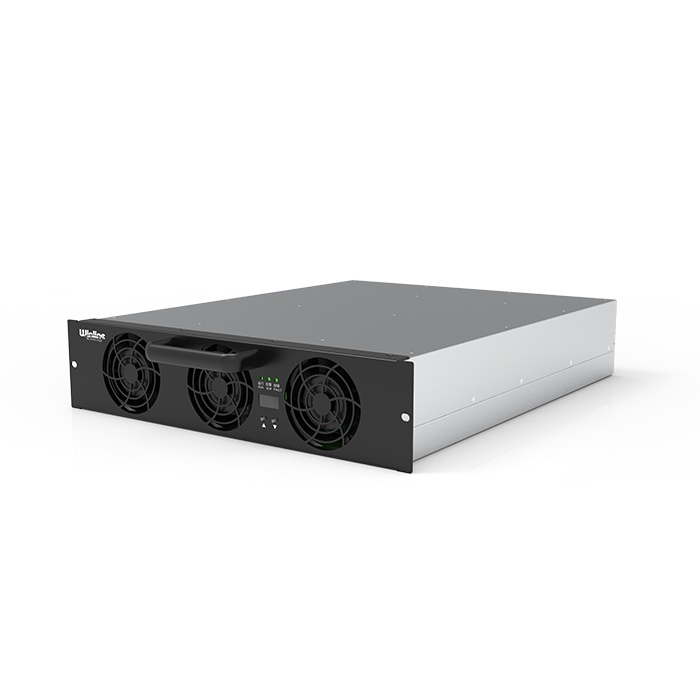
Here’s the truth: not all fast chargers are fast, and not all slowdowns come from the grid. The power module for EV charger is often the real decider of how long a driver waits, and how often a site goes down. Picture a busy evening: cars stacked at a plaza, one bay stuck at half output, another cycling on and off—operators watch their utilization curve dip. In many hubs, session times swing by minutes when power converters run hot or when the control loop hunts for stability under varying loads. If voltage ripple spikes, or the thermal design lags, the fix is not a bigger screen on the pedestal. It is a smarter core. So what actually separates a legacy box from a modern brain, and why do users feel the difference so fast (and so often)? Let’s unpack the gap.
Why Legacy Power Modules Quietly Drain Performance
Where do legacy designs fall short?
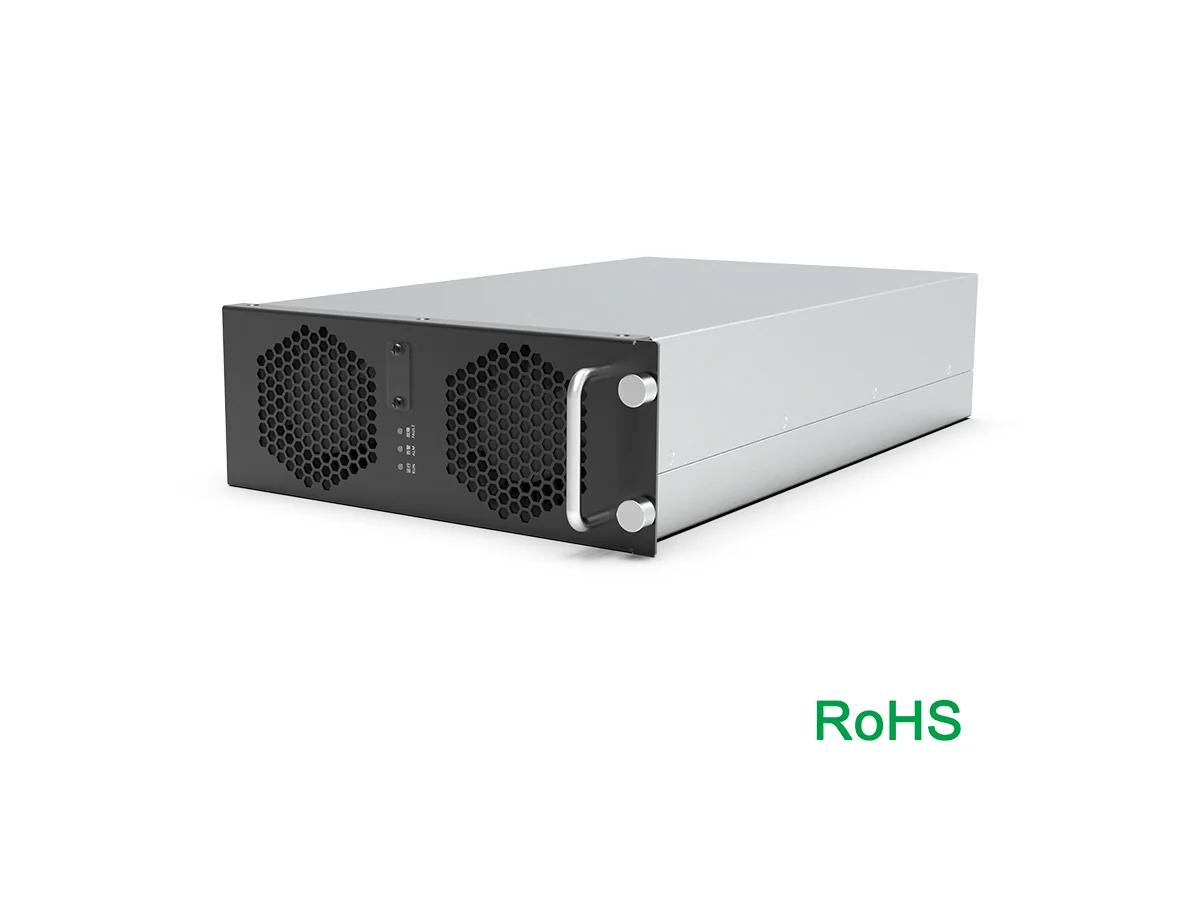
Let’s keep it precise. Traditional modules lean on older switching devices, lower switching frequency, and conservative thermal paths. Under peak demand, they shed power to stay safe. That drop shows up as longer dwell times and higher queue stress—funny how that works, right? Ripple climbs, EMI filter margins shrink, and the PFC stage can lose efficiency as temperature rises. Add a limited control interface, maybe a basic CAN bus map without rich diagnostics, and operators learn problems late. Look, it’s simpler than you think: when the power stage cannot adapt fast, everything downstream slows, from handshake to kWh delivered.
There is more under the lid. Aging topologies struggle with wide battery voltage windows and dynamic load steps from 10% to 90% in seconds. Without robust galvanic isolation and tight current loop tuning, you see overshoot or derating in hot weather. Mean time between failure (MTBF) goals look good on paper but sag in sites with dust, salt, and long duty cycles. Thermal cycling kills connectors and caps. The result is not just slower charge. It is more truck rolls, more firmware band-aids, and silent energy loss that erodes margin. Newer SiC MOSFET designs, better thermal interfaces, and smarter digital control loops exist for a reason: they hold setpoints when conditions swing.
What’s Next: Principles Behind Smarter Power Modules
Modern design shifts the center of gravity from brute force to precision. A well-architected stage uses wide-bandgap switches to raise efficiency at high switching frequency, which shrinks magnetics and cuts heat. Digital control with fast sampling stabilizes the current loop during step loads from diverse packs. Active thermal management maps junction-to-case limits in real time, so power does not derate early. And the system speaks clearly: richer telemetry, predictive alerts, and firmware logic that coordinates with edge computing nodes at the site. That is how a charger stays quick in July, not just in lab air. When you see a DC fast charging power module maintain tight voltage regulation under mixed vehicles, you are watching these principles in motion—silently saving minutes per session.
Compare two bays on the same curb. One uses a legacy block with a fixed thermal threshold and a simple PI loop; it starts strong, then derates. The other runs coordinated cooling, high-frequency operation, and adaptive filters that hold EMI headroom. Session curves diverge within ten minutes. The second bay finishes sooner and recovers faster between cars—meaning higher throughput per day. Operators do not need more billboards or bigger cables; they need modules that keep the DC bus stable under stress. And yes, grid harmonics and line sag still happen—but a robust control stack masks more of it, so drivers notice it less.
Real-world Impact and How to Choose Wisely
Stepping back, the lesson is clear. The core design of the module drives session speed, uptime, and energy cost. Older units falter at high ambient, struggle with transient loads, and leak percent-level losses that add up across thousands of sessions. Newer units use better semiconductors, tighter control, and thoughtful heat paths to keep output steady. Even a modest gain in full-load efficiency can free capacity for one more car per hour. That is not theory; it is operations. And when your DC fast charging power module integrates cleanly with site controllers, the network gains resilience, not just raw kW.
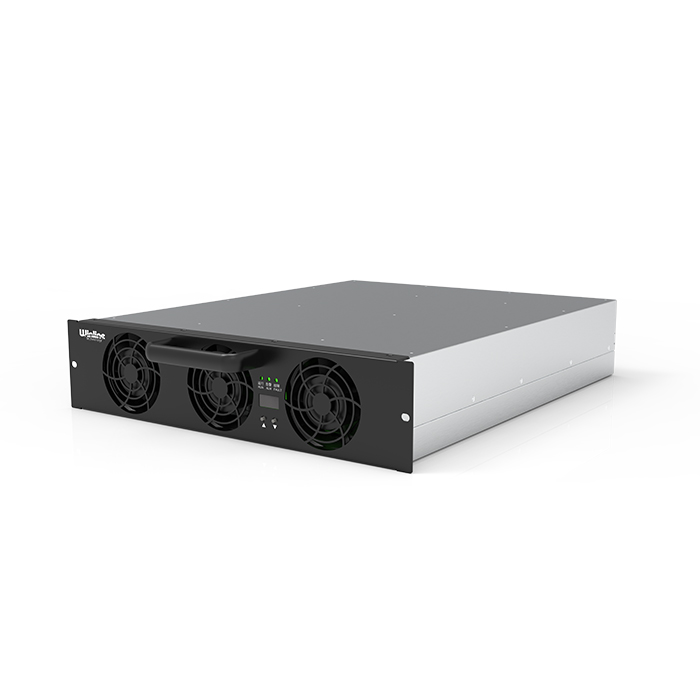
Here is an advisory close you can act on. First, measure real efficiency across the duty cycle, not just at one point—test at low state-of-charge and near-full, with log data. Second, audit thermal integrity at peak ambient, including fan curves, hot spots, and recovery time after derate. Third, check system intelligence: look for diagnostics depth, safe-state behavior, and update pathways that prevent downtime. If these three boxes are solid, you will see steadier queues, fewer alarms, and a user flow that simply feels faster. The module’s brain and body must be aligned. When that happens, drivers leave sooner, sites earn more, and support calls drop—funny how that works, right? For a broader view of system design and product options, see winline charger.