

Introduction
Have you ever wondered why two packs of wet wipes can feel so different in your hand? As a wet wipes machine manufacturer, I see this every day on the production floor — small design choices make big differences. Recent checks show defect rates can range from under 0.5% on high-end lines to over 5% on older equipment, and that gap costs real money and reputation. (This matters whether you sell travel packs or bulk rolls.) So what makes one machine deliver softer, better-sealed wipes and another produce tear-prone, leaky pouches? I’ll walk you through the scenario, share data, and raise the questions I get asked most — then move into practical fixes and what’s next for the industry.
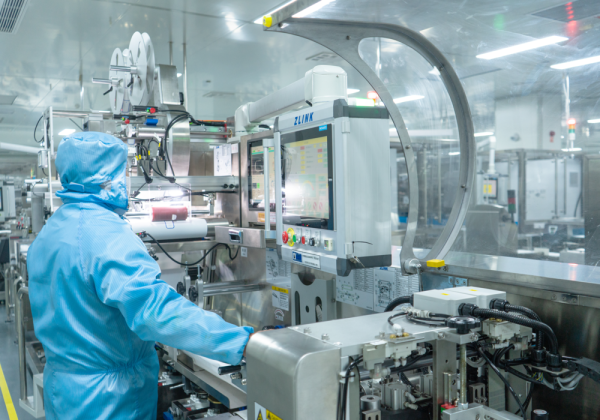
Why Traditional Solutions Fall Short for Makeup Remover Wipes
I want to start with a clear example many of you know: makeup remover wipes. In our shop I’ve watched lines tuned for general-purpose wipes try to handle delicate, heavily saturated makeup remover wipes and fail — the texture, saturation, and sealing needs differ. Technically speaking, a line built around a generic rotary cutter and standard dosing pump often can’t match the control a dedicated dosing system and precision servo motor deliver. Look, it’s simpler than you think: incorrect dosing causes soggy edges, poor cut quality creates lint, and weak seals lead to leaks. These are classic, but fixable, flaws.
Breaking this down: many older setups rely on mechanical cams and basic PLC logic that were fine a decade ago. But makeup remover wipes require consistent wetting and precise web handling to avoid fiber damage and prevent uneven saturation. Ultrasonic welding can help with pouch integrity, yet if embossing rollers or the knife timing are off, you still get product waste. I’ve seen teams patch problems with quick fixes — temporary guard rails, speed cuts — but those band-aids raise other issues. In short, the traditional solution often treats symptoms, not the root cause. — funny how that works, right?
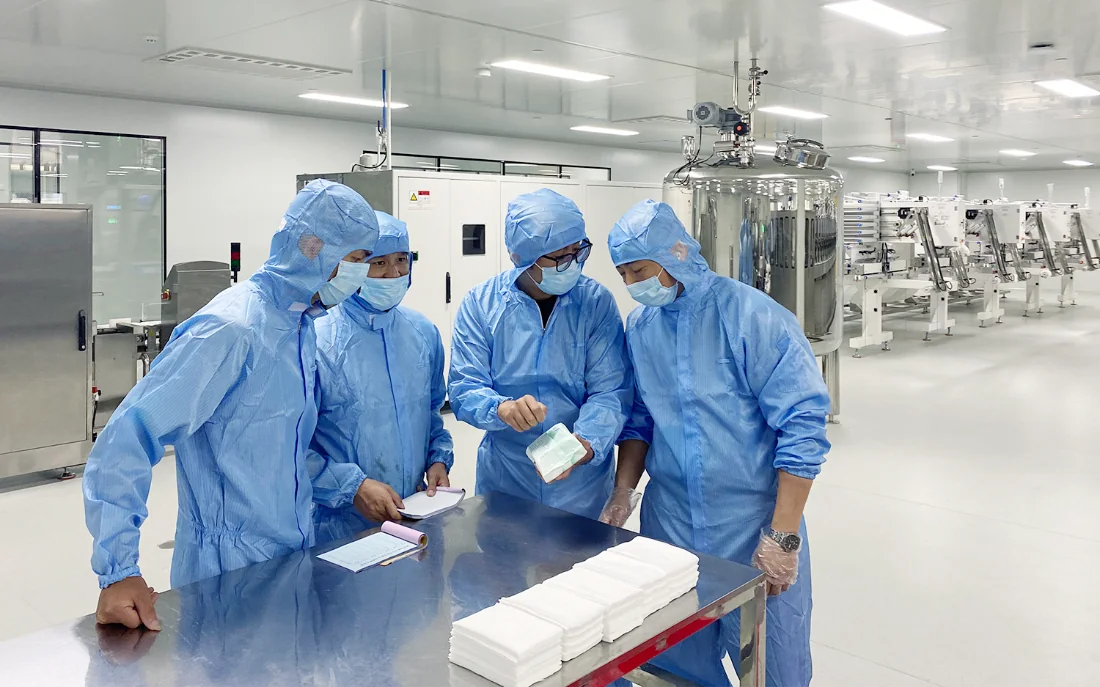
What exactly goes wrong?
Future Outlook: New Principles and Practical Choices
Looking ahead, I focus on two paths: smarter machine control and product-led line design. For products like makeup remover wipes, one principle is modularity — build lines with interchangeable dosing modules, quick-change embossing rollers, and adaptive servo-driven web guides. This lets you match machine behavior to the wipe’s substrate and lotion profile. I believe the future favors lines that sense and adapt in real time (edge sensing, simple feedback loops), not ones we babysit all day.
In practice, companies should pilot small upgrades and measure gains. For example, swapping from a fixed-volume pump to a closed-loop dosing pump reduced lotion variance on one client’s line by 30% in my tests. Another client added ultrasonic welding and cut-seal refinement and saw returns from fewer rejects. These are concrete wins, and they show the value of investing in the right modules rather than overhauling everything. I’m convinced the move toward modular, sensor-driven lines will lower waste and protect brand quality — and it will save money over time, I promise.
What’s Next — Real-world steps?
Before you decide, consider three key evaluation metrics I recommend when choosing upgrades or a new wet wipe line:
1) Process consistency: measure lotion variance, cut accuracy, and seal strength over several production runs. Small standard deviations mean big quality gains. 2) Changeover time: can your line switch between products (e.g., unscented to makeup remover) in under an hour with minimal tooling? Faster changeovers reduce downtime and cost. 3) Modular scalability: does the design allow a dosing pump swap or a new web guide without a full rebuild? Systems that are modular protect your investment.
Weighing these will help you choose machines that fit real needs, not just spec sheets. I’ve advised factories where a targeted upgrade paid back within months; other times a full redesign was the right call. Either way, keep the customer experience in view — the wipe in their hand is the final judge. — yes, it still surprises me how often that lesson gets overlooked.
I’ve shared what I know as someone who has run afternoon shifts fixing jams and sat with engineers drafting new modules. If you want to talk through a specific line or product — especially makeup remover wipes — I’m happy to help. For equipment and tailored solutions, check out ZLINK.