

Overview and procurement framing
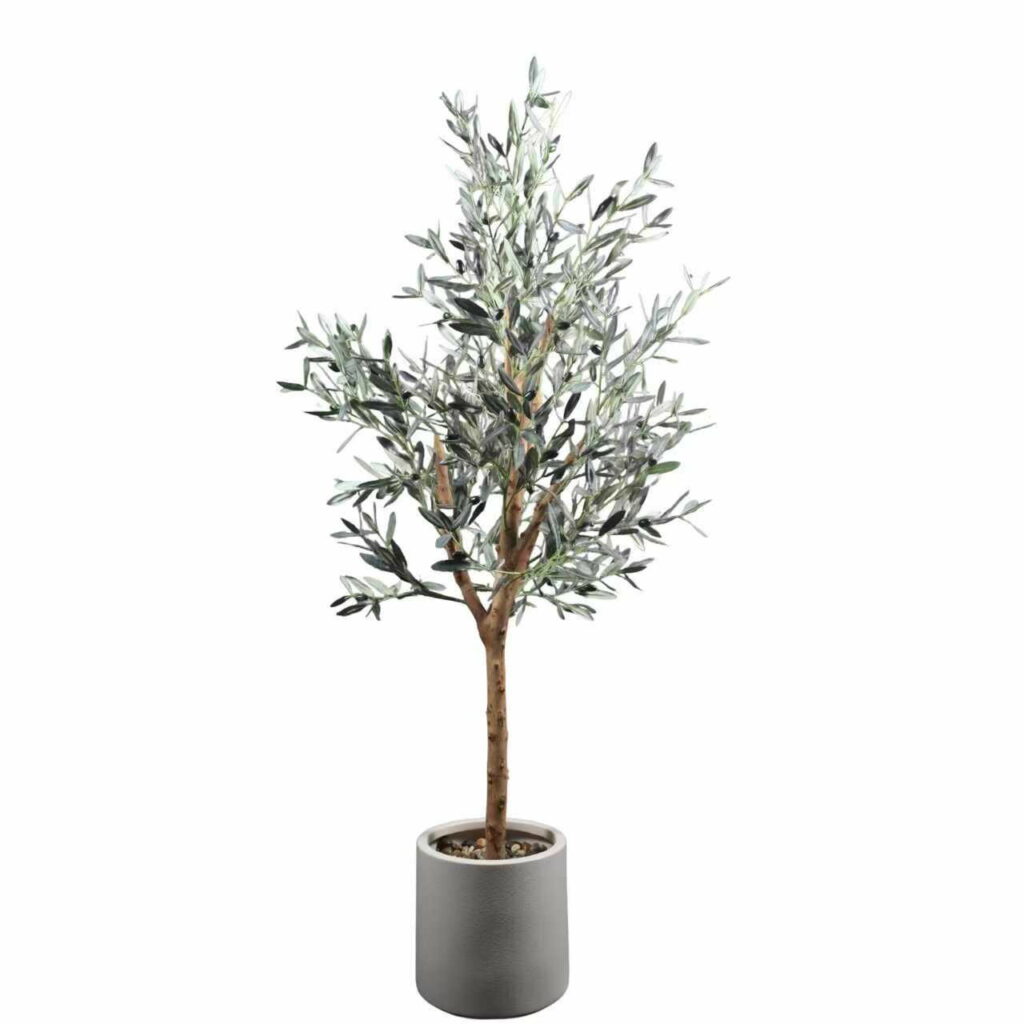
When a design or facilities team specifies decorative greenery, the choice often narrows to suppliers who can document flammability performance. For teams sourcing from an artificial olive tree manufacturer, understanding the operational difference between NFPA 701 and Class A ratings is essential to ensure code compliance and predictable in-service behaviour. This comparative insight focuses on test protocol, application limits, and procurement controls for artificial foliage in commercial interiors.
Why the distinction matters for buildings
Regulatory bodies and insurers treat interior finishes differently based on measured flame spread and smoke generation. NFPA 701 is a dedicated fabric/filler test protocol—commonly invoked when materials are used as drapery, buntings, or banners—while Class A (often per ASTM E84 or similar) denotes low flame spread and low smoke developed for wall and ceiling assemblies. The difference affects permitted locations, required documentation, and the acceptance of decorative items in egress paths or assembly spaces. After high-profile commercial fires such as the 2003 Station Nightclub incident in Rhode Island, authorities intensified scrutiny of interior finish flammability; procurement teams must therefore align vendor claims with the facility’s code classification.
Comparative mechanics: NFPA 701 vs Class A
NFPA 701 uses small-scale and vertical-burn test methods to determine whether a fabric or similar material will sustain flame propagation when exposed to an ignition source. Class A (ASTM E84) measures flame spread index and smoke-developed index across a 25 ft test specimen in a tunnel apparatus, producing a distinct flame spread score. Key practical differences: NFPA 701 is pass/fail for certain applications and may not address smoke development; Class A gives two numerical metrics, and is therefore more informative for corridor and finish evaluations. Procurement teams should request test reports specifying the method (e.g., NFPA 701 Method 1 or ASTM E84) and the actual test data—flame spread, smoke developed, and test date.
Procurement checklist for manufacturers and vendors
Include these elements in purchase documents when evaluating artificial foliage suppliers, including artificial olive tree factories:
– Certified test reports with laboratory accreditation (NVLAP or equivalent) and the full methodology cited, not just a label claim.
– Material composition and MSDS or technical data sheets indicating flame-retardant additives, potential wash-off risks, and UV stability.
– Application-specific approvals: whether the product is cleared for public assembly areas, corridors, or outdoor covered walkways.
– Lifecycle considerations: retest interval recommendations and handling instructions to maintain the rated performance.
Common procurement mistakes and how to avoid them
Buyers often accept generic marketing claims—“fire-resistant” or “meets safety standards”—without verifying the standard and report scope. Another mistake is assuming a Class A label supersedes NFPA 701 needs; they are complementary only if the application and code authority permit. Also, some flame-retardant treatments lose efficacy after prolonged sunlight or cleaning cycles—so request durability data. —Inspect samples in the vendor’s documented state and confirm that the finished product delivered matches the tested sample.
Practical selection strategy
Match the test to the location. Use NFPA 701 documentation when products are qualifying as soft goods or decorative fabrics within occupancies that call for that testing. Specify Class A/ASTM E84 when the product functions as an interior finish impacting corridor or ceiling ratings. Where possible, require both: NFPA 701 for vertical-burn assurance and ASTM E84 for flame spread and smoke metrics. Maintain an indexed file of reports for each SKU, and include retest triggers (e.g., formulation change, supplier change, or every five years).
Advisory: Three critical evaluation metrics
1) Test Traceability — Verify lab accreditation, test standard version, specimen identity, and date to ensure relevance.
2) Application Fit — Confirm the documented test maps to the intended use case (decorative vs finish) and the building’s code occupancy classification.
3) Durability Profile — Require data on treatment permanence under UV exposure and cleaning regimes so rated performance endures in service.
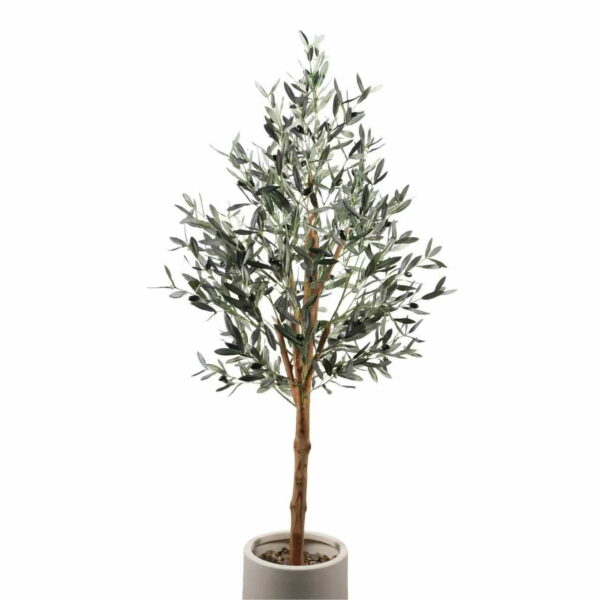
These metrics yield measurable procurement outcomes: fewer code objections at plan review, reduced retrofit costs, and clearer warranty claims. For specification authors and facility managers seeking a reliable supply chain partner, a supplier that provides layered compliance evidence and product stewardship reduces operational friction—Sharetrade integrates that approach into its sourcing and documentation workflows for artificial plants. –