

Introduction: A Short Journey into Timing, Tools, and Trade-offs
I remember standing in a small factory at dawn, watching a line of machines hum to life as workers checked rolls of fabric—there was this quiet promise that today we’d finally hit our target output. The wet wipes making machine kicked in on cue, but the team still missed its first shift quota by 15% (data from that plant’s logbooks). What went wrong? Why do small timing shifts and simple choices cause such big effects on output and cost?
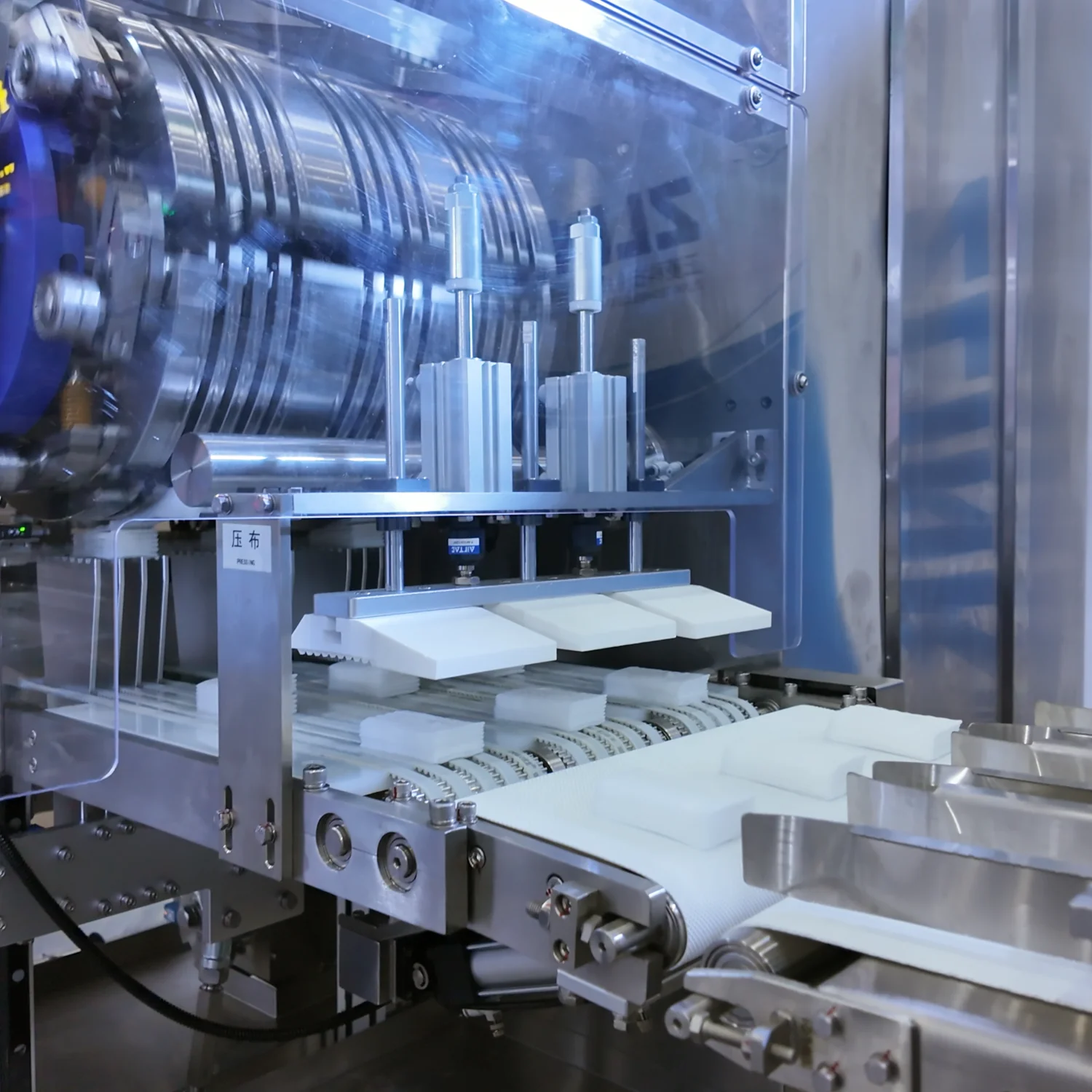
I’m curious about these moments. I ask them out loud when I visit plants, because the answers teach you more than any spec sheet. We’ll take that thread and pull it apart—step by step—so you can spot the real issues before they become costly. Now, let’s move on and look under the hood.
Part 1 — The Hidden Snags in the wet wipes production process
What’s the real snag?
When I say “wet wipes production process” I mean every stage from unwinding nonwoven fabric to final packing — and yes, the wet wipes production process hides a few surprises. At first glance the line looks simple: unwind, wet, fold, cut, pack. But small mismatches—like wrong tension settings or a mis-tuned PLC—create waste, jams, and quality drift.
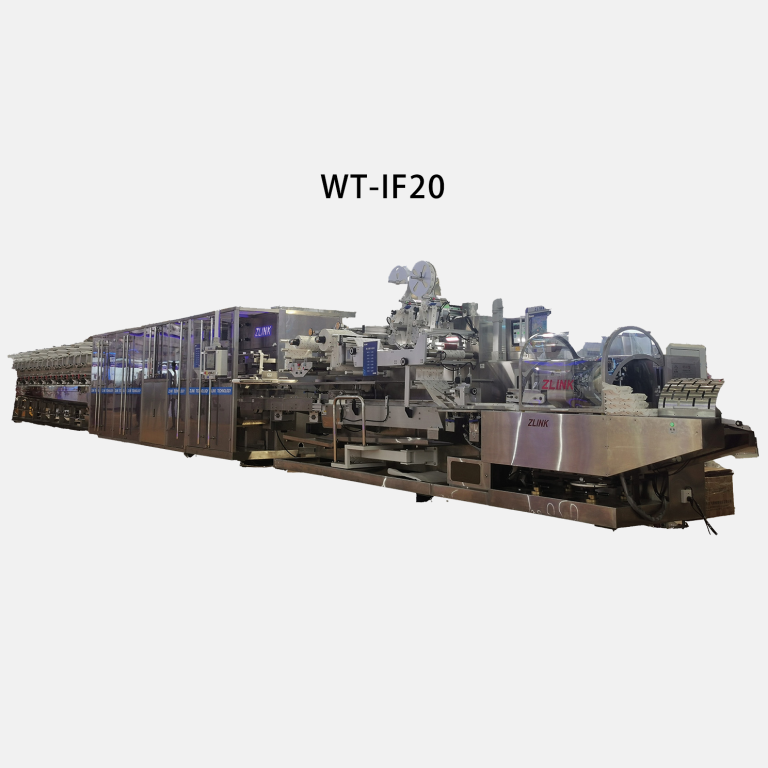
Technically speaking, the issues often come from control mismatches: mismatched servo motors, inconsistent wetting due to pump pulsation, and poor web handling that stresses the nonwoven. I’ve seen a rewinder alignment off by millimeters that ruined an entire batch. Look, it’s simpler than you think: fix the control loop and you cut scrap. — funny how that works, right? These are not glamorous problems, but they cost time and money and erode worker confidence.
Part 2 — New Principles for Next-Gen Wet Wipes Lines
What’s Next?
I like to think of the next wave as practical upgrades, not dramatic reinventions. The wet wipes production process benefits most from three technical principles: tighter feedback control, modular automation, and smarter material handling. Tighter feedback means better sensors and faster PLC loops. Modular automation lets you swap heads or add a sterilization module without halting the whole line. Smarter material handling reduces web break frequency and keeps roll tension steady.
In real terms, that means you add better web guides, invest in consistent dosing pumps, and choose a control system that can log issues for you. I’ve seen lines that cut downtime by half just by improving web handling and adding clear error messages. You’ll need to weigh costs against expected uptime gains—do the sums. Also—unexpected wins pop up when operators feel the system responds to them. That matters.
Closing — How to Choose and Measure a Better Solution
I’ll leave you with three practical metrics I use when I help teams pick upgrades: uptime percentage (target improvements, not perfect scores), scrap rate per thousand units (a clear money metric), and mean time to recover from a stoppage (how fast the crew and machine bounce back). Use these to compare vendors and plan ROI. I prefer suppliers who show real numbers and offer modular upgrades; words alone don’t cut it.
Finally, trust your team’s experience. I’ve walked lines that looked fine on paper but failed in practice—operator insight often exposes the quiet problems. If you score options against those three metrics, you’ll make smarter choices. For practical equipment and support, check partners like ZLINK. Weigh carefully. Start small. Iterate fast. You’ll thank yourself later.