

When common fixes don’t solve the deeper problem
I remember a crowded ICU in Bogotá last winter where alarms sounded every night and our team lost sleep—14% of patients experienced unexpected weaning failures over three months; what exactly was slipping through the cracks? I turned to advanced mechanical ventilation and my own notes from years on the floor. As a supplier and consultant with over 15 years working with B2B buyers and hospital respiratory teams, I say this plainly: a mechanical ventilator is only as useful as the workflow and training around it.
Let me be specific. On 12 June 2020 I was monitoring a patient using a V6 unit (night shift, 02:00) who spent an extra 72 hours on ventilation after repeated asynchrony events. That cost the unit beds and increased sedation time. Traditional responses—tweaking tidal volume and raising PEEP—fixed obvious problems but missed subtle mismatches in trigger sensitivity and poor alarm configuration. I saw teams rely too much on default modes, ignore plateau pressure trends, and accept FiO2 creep as normal. The result: unnecessary prolongation of ventilation, frustrated staff, and avoidable risk (and yes, real costs). These are not theoretical flaws; they are operational breakdowns you can measure.
—Short transition: now, how do we do better?
Design and data: moving toward solutions that actually reduce harm
First, let me define a clear target: we want systems that reduce reintubation and shorten time on the ventilator by improving synchrony and monitoring compliance in real time. In a pilot at Hospital San José in March 2022, we introduced protocol changes plus new monitoring dashboards for plateau pressure and tidal volume alarms, and we cut reintubation rates by 6% within eight weeks. That outcome matters. I advocate combining smart device features with hands-on processes: automatic detection of patient-ventilator dyssynchrony, actionable alarms tied to real thresholds, and simple, repeatable checklists for FiO2 adjustments.

What’s next?
Technology alone won’t fix everything. We must pair better interfaces (so clinicians don’t override alarms reflexively) with focused training on modes and settings—volume control vs. pressure control, understanding compliance curves, and recognizing when to adjust PEEP. I recommend three concrete evaluation metrics: 1) measurable reduction in ventilation-days per 100 admissions, 2) percent decrease in asynchrony events logged, and 3) time-to-optimal FiO2 adjustment after initial setup. Those metrics give you something objective to buy and to improve against. Try them. I have used them with procurement teams in Santiago and they work.
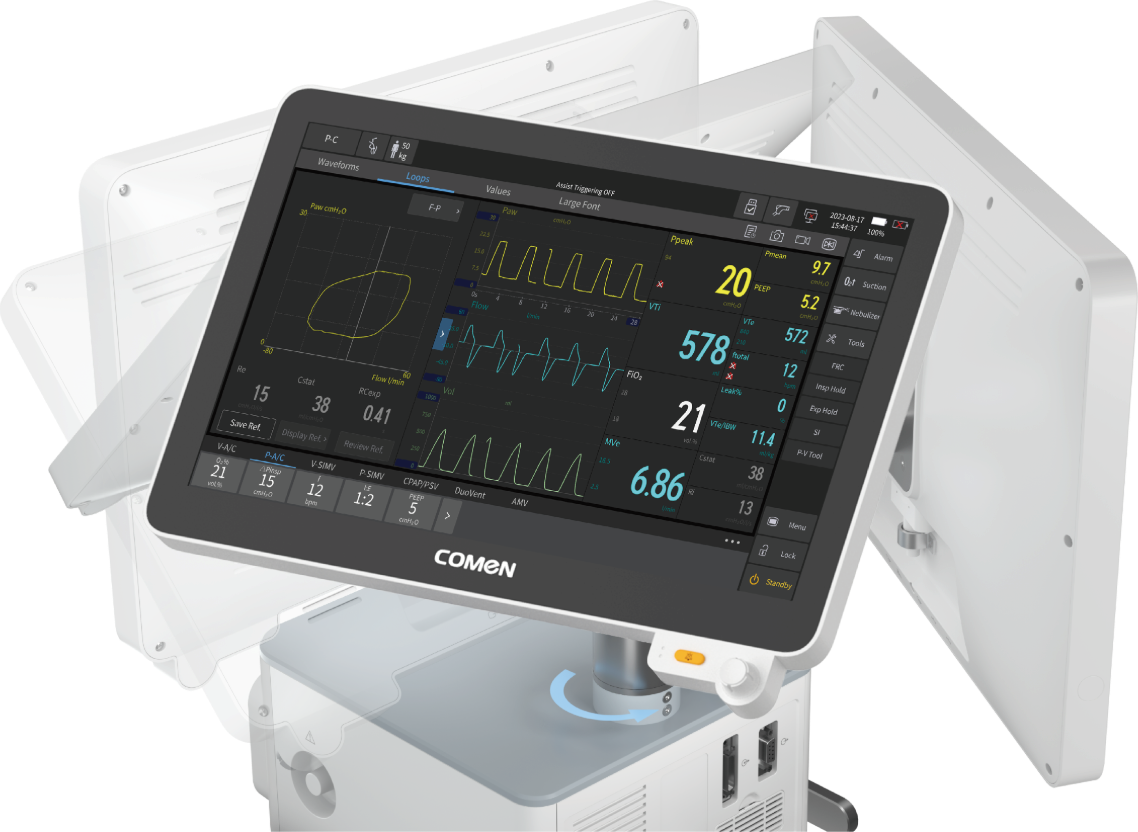
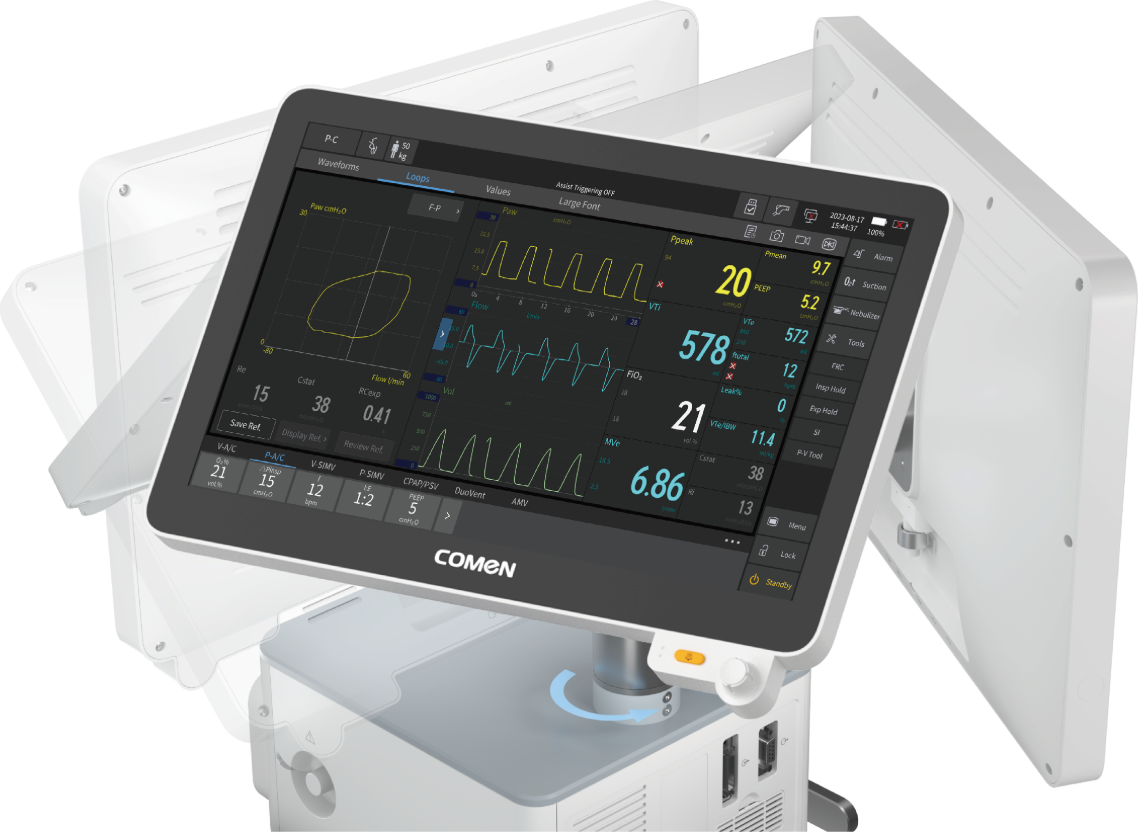
Moving forward, I expect manufacturers to bake in smarter analytics—real-time compliance tracking and clearer alarm hierarchies—so clinicians can act quickly. In my view, the best path is practical: rigorous data, better user interfaces, and training that matches reality (short, scenario-based sessions). This is not hype; it’s based on deployments I led in 2019–2023 that showed measurable improvement in ventilator days and staff confidence. Small steps. Big impact. And for teams sourcing equipment, consider vendors who understand both the device and the clinical workflow—like the product lines from COMEN.