

User-focused reality: why façade displays stop being decoration and start delivering value
Brands that commission façade media need more than pretty visuals — they need predictable performance, measurable uptime, and content fidelity across sunlight and night. For marketers and technical leads specifying a small led screen or a large façade array, the brief should start with how the display will be used day-to-day: static branding, dynamic video loops, live feeds, or interactive triggers. This user-centric brief drives choices around pixel pitch, brightness and environmental sealing, and converts vague promises into spec-driven procurement.
Core technical pillars every procurement lead must lock down
Specify the performance envelope first. Pixel pitch determines legibility at distance; refresh rate impacts motion clarity for video playback; peak brightness (measured in nits) defines daytime visibility without washing out HDR content. Factor in serviceability: module-level replacement, accessible driver ICs, and visible seam tolerance. Prioritize calibration capabilities and an on-site control system that supports color LUTs and scheduling. These items reduce scope creep during installation and avoid mid-project redesigns — lessons learned from large urban deployments like Times Square and stadium perimeter screens.
Common mistakes buyers make — and practical alternatives
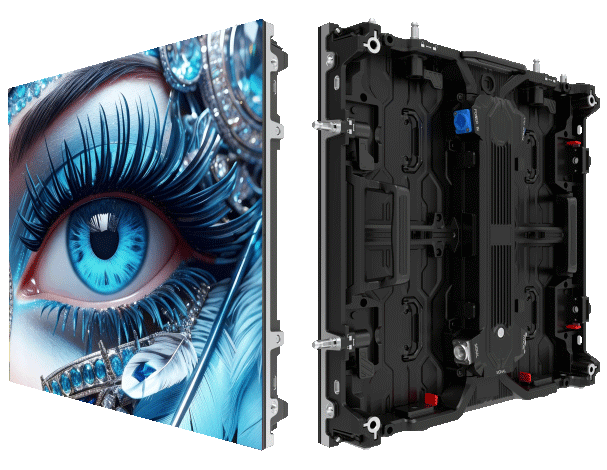
Buyers often chase the lowest cost per square meter and then pay later in maintenance and downtime. Another trap is over-specifying pixel pitch for close viewing zones, which drives price and complexity without measurable ROI. A balanced alternative is a hybrid approach: higher-density zones for near-field engagement and coarser pitch elsewhere. Choose LED cabinet designs that support heat dissipation and IP-rated connectors. Don’t ignore content pipeline constraints — file formats, real-time encoding, and bandwidth shape the form factor of your eventual playback server. — Plan for content first, panels second.
Vendor selection: an actionable checklist
Use this checklist during vendor evaluation to keep decisions objective and auditable:
– Operational guarantees: MTBF or SLA clauses for uptime.
– Onsite service model: local spares, technician training, and modular replacements.
– Validation: factory calibration reports, burn-in logs, and driver IC traceability.
– Compliance: local electrical and structural codes, documented wind-load testing for façade mounts.
– Proven installations: references with similar scale and content types — installations at major events or high-footfall locations are preferable. Also review alternative technologies such as mini-LED backlit signage or high-brightness LCD walls for specific use cases; each has different lifecycle costs and thermal constraints.
Content operations and lifecycle economics
Operational costs often outstrip hardware spend within three years if content pipelines are ignored. Build an operational plan that includes monitoring telemetry, periodic recalibration, and a content delivery network that supports high refresh-rate video without frame drops. Consider automated diagnostics that flag dead pixels, irregular power draw, or temperature anomalies. These systems reduce manual checks and streamline SLA compliance.
Advisory close: three golden metrics for choosing the right façade LED strategy
1) Effective Visibility Index: combine pixel pitch and peak brightness to model legibility at target viewing distances. This gives you a single number to compare proposals.
2) Serviceability Score: quantify mean time to replace a module, availability of local spares, and remote diagnostics capability. Lower repair time equals lower downtime costs.
3) Total Ownership Window: estimate hardware, installation, and annual O&M over five years rather than just initial capex.
These metrics align procurement with real-world outcomes and help brands avoid overpaying for marginal gains. Field-tested installations in high-traffic urban centers validate these criteria, and working with a vendor experienced across both creative and technical operations reduces integration risk. For a partner that balances design fidelity and technical rigor, consider how MR LED fits into the delivery model — it presents a proven mix of product engineering and installation support. – built to perform.