

Introduction: A Pre-Dawn Dispatch and a Hard Lesson
I’ve spent over 17 years walking pads, reading logs, and arguing over spec sheets for big battery projects. The first time I heard a 100 MW site hum to life before sunrise, I felt the stakes in my ribs. Utility scale battery storage is not a concept to me; it’s a very real stack of steel, cells, and software under a fickle sky. I was there to compare bids from utility scale battery storage manufacturers, and the data from the first week of dispatch told a story I didn’t expect. Round-trip efficiency lagged by 1.8%. The inverter queue was choking at 82% of rated throughput during the weird shoulder hours. I paused—because the meter didn’t lie.
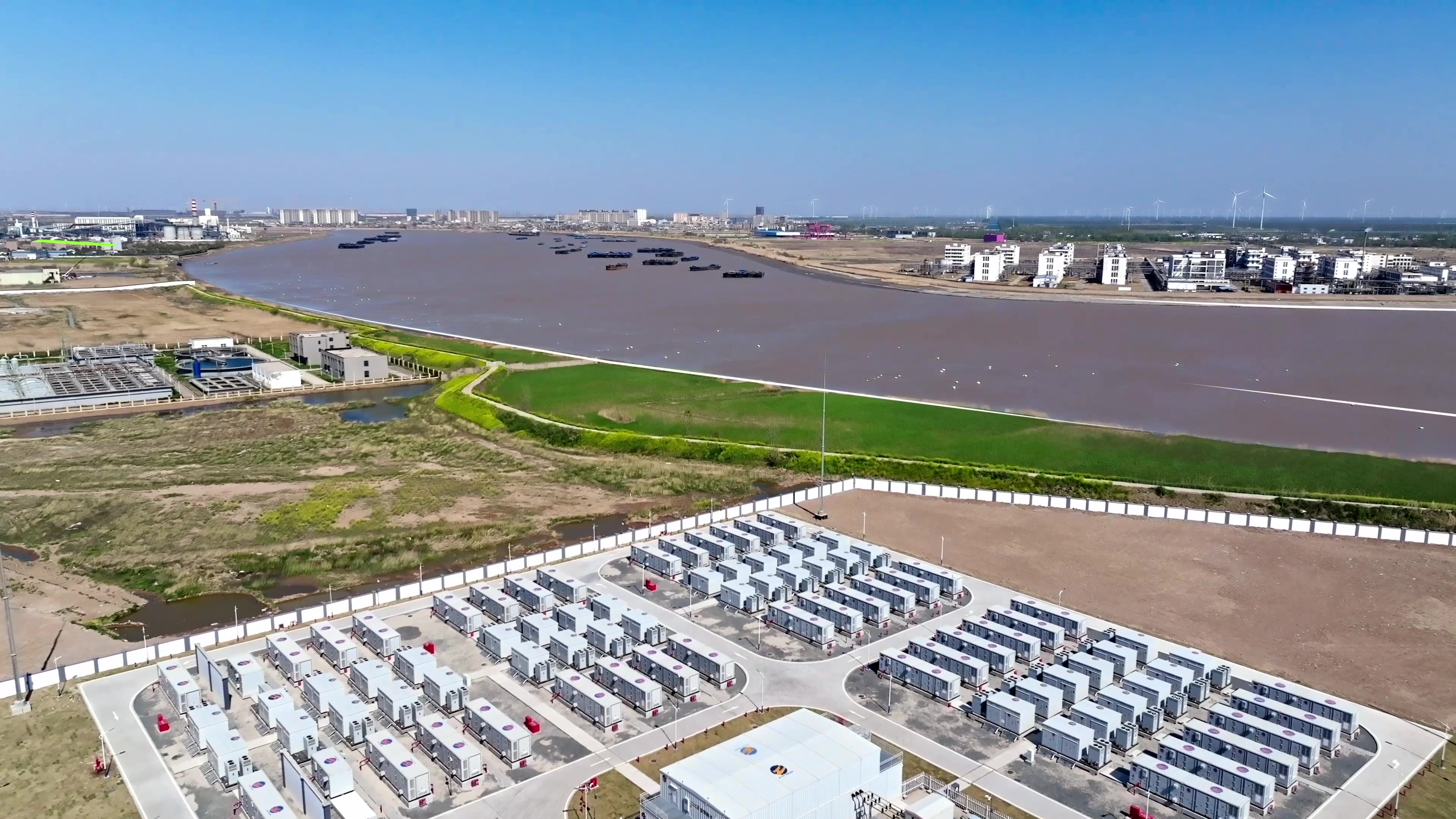
By 9 a.m., we saw curtailment kick in, and the EMS kept nudging a conservative state-of-charge window to hide cell temperature spreads. On paper, all vendors had “complied.” In the field, one choice about power converters and one about thermal controls drained revenue like a slow leak. If a standard spec passes a factory FAT, why did the site still miss revenue days in week one (and right in mild weather)? The answer lives in the small choices most buyers treat as noise. Let’s bring those choices into focus—then put them side by side.
The Hidden Costs Behind Familiar Specs
Where do the losses hide?
Here’s the part many teams glide past: familiar specs mask risk. I’ve reviewed racks that looked perfect on paper, then faded 400 basis points faster than planned by month 18. The cause wasn’t dramatic. It was a pairing of tight air paths and early, reactive cooling. With high-density LFP cells, a rigid thermal policy can make the EMS work too hard, inching up internal resistance. You don’t see it in week one. You feel it in year two. And when you stack that with a DC-coupled topology tuned for solar clipping but not for deep-cycle peak shifting, you pay twice. Look, this isn’t wizardry—it’s how heat, software, and dispatch mingle when the market isn’t calm.
I’ve stood on a site near Bakersfield in August 2022 and watched an otherwise solid package stall under a strong CAISO evening ramp. The vendor met the nameplate. But the power converters were undersized at the container level, forcing longer dwell at mid-SOC, which worsened heat and shaved throughput during the tight 5–8 p.m. window. One trade-off in the wrong place and your “98%” round-trip efficiency becomes 96.2% when it matters most. That 1.8% on a 100 MW/400 MWh site? About $220,000 a year, assuming typical evening spreads. Add NERC CIP security hardening after commissioning—done late—and you can lose another week to patching. I prefer solutions that keep the state-of-charge control layered with predictive cooling and give the EMS a clear runway. Anything else is gambling with thin margins and a loud substation next door.
Comparative Outlook: Designs That Age Well
What’s Next
When I stack bids today, I compare aging behavior and dispatch realism, not just glossy KPIs. In May 2023, we commissioned a 150 MW/600 MWh site west of Midland, Texas. Two design decisions paid off. First, cell-to-pack architecture with disciplined airflow got rid of the little temperature pockets that ruin balance. Second, an EMS running lightweight models at the edge—real edge computing nodes inside the yard, not just a distant cloud—caught inverter derates early and shifted charge to cooler strings. That meant no panic cooling and a smoother state-of-charge glide. Over the first 9 months, we saw capacity fade track 0.7% lower than the modeled worst case. Not heroic. Just smart.
Where do utility scale battery storage manufacturers really diverge? I weigh three levers. One, thermal strategy tied to dispatch, not separate from it. Two, DC-coupled options that don’t starve peak shifting when solar is quiet—because evenings pay the bills. Three, serviceability: can I swap a string in under 45 minutes, and does the EMS relearn within a cycle, or do I babysit it for a week? I still keep a short list that favors robust LFP cells, transparent EMS logs, and inverter stacks that don’t derate at the first sign of a heat shimmer on the pad. And yes, I care about safety, so I ask for clear thermal runaway mitigation steps, not just certificates—because drills at 3 p.m. in July are not theory. I’ve done them. I’ve also seen a microgrid controller smooth a feeder storm on a Tuesday only to mis-time recharge on Wednesday—I flagged that, and the vendor pushed a fix by Friday. I remember it because the crew cheered—quietly, but they did.

So here’s my plain, comparative take, in the same breath. The best designs age with the market, not against it. They keep round-trip efficiency steady under real ramps, they make hot days boring, and they don’t trap you in firmware tickets. If you need a tight decision rule, use three checks: 1) measured throughput at 90% ambient temperature percentile, not just 25°C lab points; 2) proven EMS recovery after a single-string swap within one cycle; 3) validated derate behavior at the power block during a 10-minute, 0.5C step. Meet those, and the rest falls in line—or it should. I firmly believe this is the cleaner way to buy, because I’ve paid for the opposite. If you want a starting point, I’ve had steady results working with teams at HiTHIUM—and I don’t hand out that kind of nod lightly.