

Introduction — a shop-floor story
I was on a job last winter, standing next to a hummed-out conveyor that had been stopping every other hour. The mechanic shrugged and said, “It’s just the motor acting up again.” In that moment, I thought about electric motor choices—how a small part keeps a whole line from moving. Recent numbers say that poor motor selection and downtime cost manufacturers billions a year (yes, billions) and a single faulty unit can ripple across a whole shift. So what can we do differently to stop the same old breakdowns and wasted hours? I want to walk you through what I’ve learned on the floor, with plain talk and a few clear fixes you can try tomorrow. Let’s start by looking at where the usual fixes fall short and why that matters for your next buy.
Why the usual fixes fail
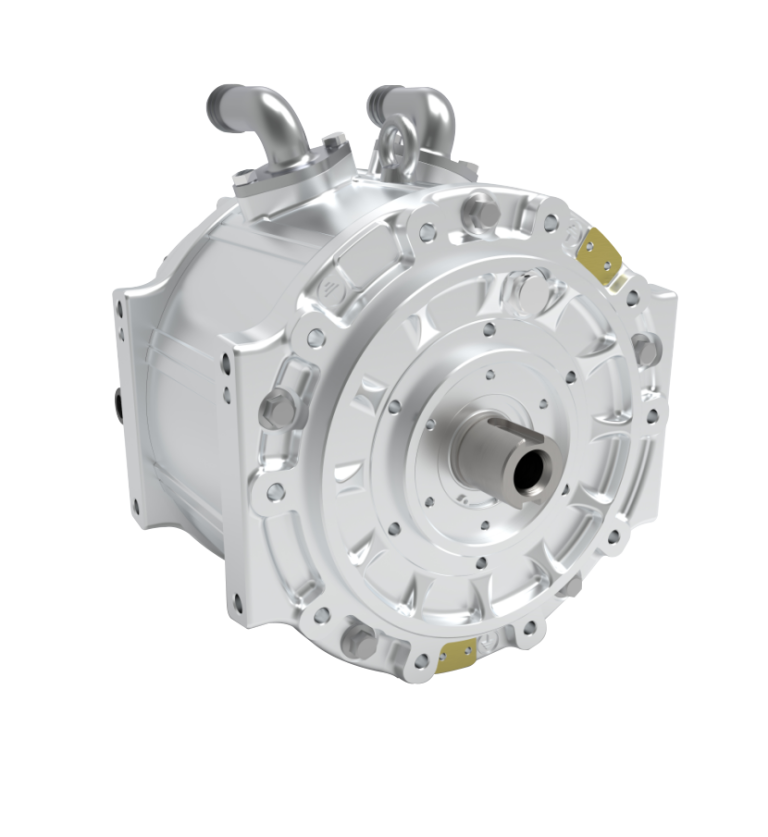
I’ll be blunt: swapping parts or upsizing a motor rarely fixes the root cause. Take the brushless electric motor for example — it’s often treated like a drop-in replacement, but the controller, commutation method, and load profile all have to match. When they don’t, you see torque ripple, mis-timed commutation, or overheating. I’ve seen systems where poor tuning of field-oriented control (FOC) caused hunting and extra heat. Components like Hall sensors and power converters get blamed, but the real fault often lies in how we pair the motor and the drive. Look, it’s simpler than you think: mismatch equals stress, and stress equals failure.
So what’s actually failing?
In technical terms, the common failure points are control strategy, cooling, and duty cycle mismatch. Weak control loops let torque ripple sneak in. Bad cooling raises winding temperature and eats insulation life. And a motor rated for intermittent duty placed under continuous heavy load will die fast. I’ve written work orders that show the same reasons over and over. If you ask me, the fix starts before buying: understand the duty cycle, verify commutation type, and match the power converter to the motor’s needs. This upfront work saves nights of wrenching and piles of spare parts later — funny how that works, right?
New principles that actually help — what I’d choose next
We’re moving into better territory now. I want to explain a few practical principles that cut failures and boost uptime. First: control matters as much as the rotor. Modern controllers that use tight field-oriented control reduce torque ripple and improve efficiency. Second: sensor choices (encoders vs Hall sensors) change how the system reacts under load. Third: thermal management—get it right and you extend motor life. These aren’t marketing lines. They’re small design choices that change real outcomes on the line. For example, pairing a carefully tuned drive with a pmsm motor can knock down energy use and smooth starts, which matters if you run many cycles a day.
What’s Next?
Looking ahead, I’d focus on smarter integration: the motor, the inverter, and the controller should be chosen together, not separately. New runs use predictive monitoring and simpler field diagnostics so teams spot rising vibration or temperature trends before a shutdown. That’s a future where we break the cycle of reactive repairs and pick gear that fits the work. We can do that by testing candidate motors on real loads, not just on paper. Try it once and you’ll see the difference—shorter downtime, fewer surprises, better margins.

How I’d evaluate options — three quick metrics
When I help teams decide, I use three plain metrics: thermal margin (how hot will it run under your real load?), control compatibility (does your inverter support the commutation and FOC you need?), and serviceability (can you replace parts fast on the floor?). Check those first and you catch most hidden problems. Measure, test, and iterate. If a supplier can’t show you load tests or thermal curves, I treat that as a red flag. In the end, you want a motor that saves time, not one that creates more work.
We’re not selling anything here — I’m sharing what actually works for me on the shop floor. If you want to dive deeper or see a practical example, check out Santroll for product specs and test sheets: Santroll.