

Introduction — a short shop story, some numbers, then a question
I once stood beside a shop press, watching a single operator chase a plume of ink fumes with a handheld fan. It felt wrong, and that feeling is backed by data: about 30–45% of small production facilities report persistent indoor air complaints despite owning fume extraction products. (That gap matters to margins and safety.) I want to know — are we buying the right gear, or just buying noise? My aim here is practical: map the real choices, call out the weak spots, and show what to look for next. Let’s dig into the nuts and bolts and move toward decisions you can act on.
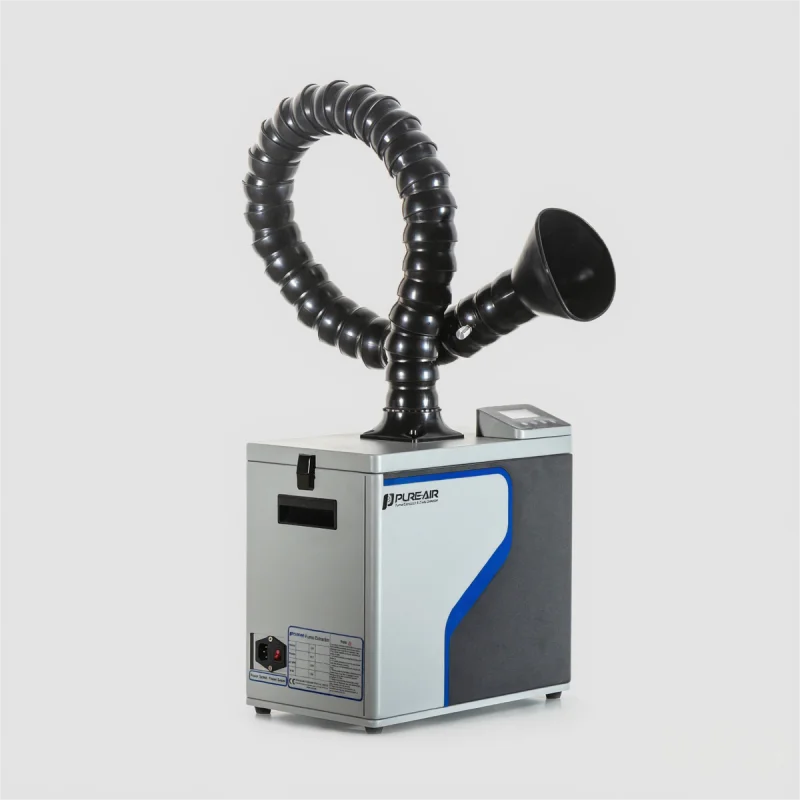
Deeper layer: Why current systems miss the mark
fume collectors often promise “clean air” but deliver uneven results on the floor. I’ve tested units that rely solely on static ducting and basic HEPA filters. They capture particulate well, yes — but VOCs slip through, odors linger, and maintenance gets ignored. Look, it’s simpler than you think: a filter rated for particles won’t fix solvent vapors. In practice, problems trace to three repeats — poor capture at the source, wrong media for the contaminant, and mismatched airflow. That trio drains budgets and morale.
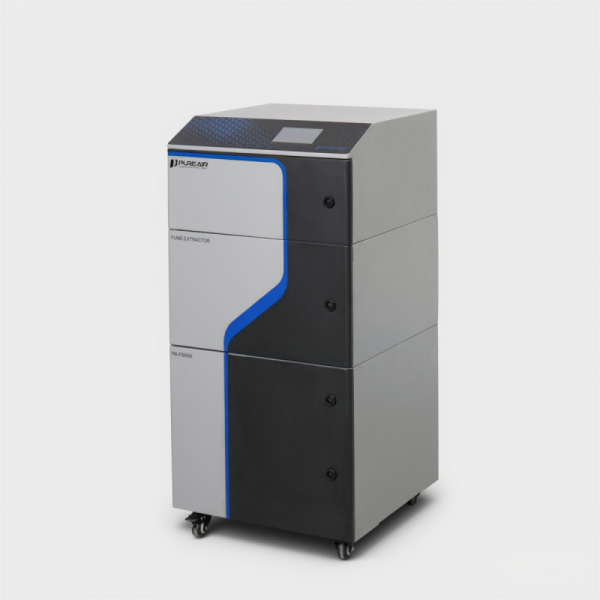
Why do these designs fail so often?
First, capture geometry matters. If the hood is poorly placed, the airflow rate needed to grab fumes rises exponentially. Second, filtration mismatch: HEPA filters stop particles but not volatile organic compounds (VOCs); for VOCs you need activated carbon beds or catalytic stages. Third, operations: scheduled filter swaps and VOC sensor checks rarely happen in busy shops. I’ve seen maintenance logs that were empty for months — the result is pressure drop, worse capture, higher energy draw, and more complaints. Those are the hidden pain points managers don’t always see until staff start leaving. — funny how that works, right?
Forward-looking: principles for better systems and what to evaluate next
We should move from patchwork fixes to design-first thinking. I prefer principles, not slogans. First, prioritize source capture: small, well-placed hoods beat oversized room systems for many processes. Second, use layered filtration — combine pre-filters, HEPA, and activated carbon or catalytic converters to handle both particulates and VOCs. Third, add sensors: real-time VOC sensors and differential pressure gauges tell you when performance slips. These are not exotic; they are practical engineering choices that cut downtime and long-term cost.
What’s next — principles in action?
Newer systems add smart controls and modest edge computing nodes to log performance and trigger alerts before filters choke the fan. Pair that with modular filtration carts so you can swap media on the fly (no long outages). I’ve helped teams reduce complaints by rearranging hood placement, then adding a VOC monitor — the result was clear: fewer sick days and lower emergency ventilation runs. It doesn’t take massive capital. You can phase in changes and measure gains as you go — measurable wins that matter to finance teams. — the payoff is real.
Before you decide, ask these three direct metrics: 1) Capture efficiency at the source (measured at the hood), 2) Filtration coverage (does the media list VOCs and particulates?), and 3) Lifecycle cost (energy, consumables, and downtime). I recommend weighing those equally. If you want a practical partner to test or scale options, check solutions from PURE-AIR. I’m writing from hands-on experience: pick systems that make life easier for operators and cleaner for accounts payable.