

Problem: The Hidden Costs of Cheap Serum — a Texan Take
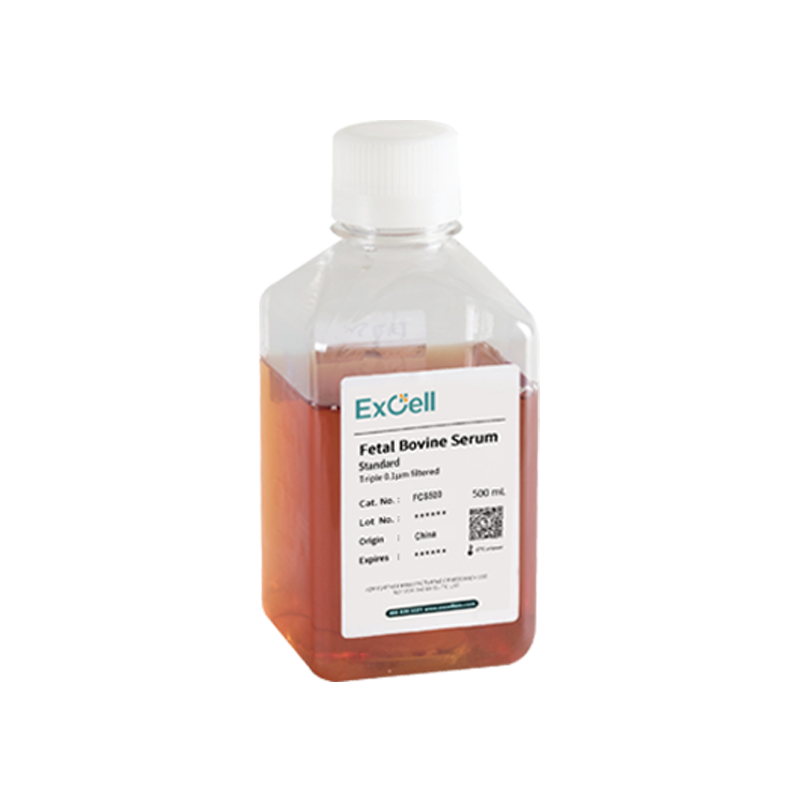
I’ll say it straight: bad serum will wreck your week, your data, and sometimes your reputation. If you’re ready to buy fetal bovine serum, I want you to know what I’ve seen in over 15 years moving product from ports to labs across Texas and beyond. I vividly recall a Saturday morning in Houston — June 12, 2017 — when a client opened a lot (Gibco 16000-044 replacement) and we watched cell viability drop 23% within 48 hours. That kind of hit ain’t just frustrating; it’s expensive.
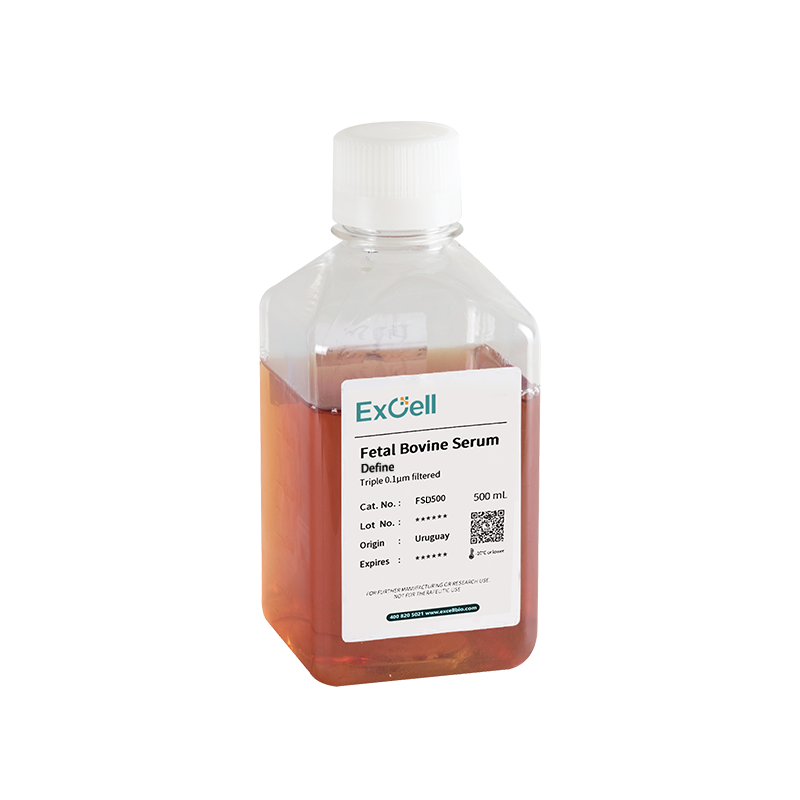
We wrestle with lot-to-lot variability, endotoxin levels, and mycoplasma testing failures more than most folks realize. Serum filtration and sterile filtration are basic steps, but they don’t fix upstream problems like poor herd sourcing or inconsistent cryopreservation practices. I prefer to call out the real flaws: opaque chain-of-custody, weak cold chain control, and vendors that dodge third-party QC. These lead to cell line adaptation issues and ruined plates — plain and simple. Let’s dig into why that happens, and what breaks down at the vendor and lab ends.
Why do these failures keep happening?
Technical: Forward-Looking Fixes and a Practical Buyer Checklist
Now let’s get technical for a minute — we gotta be precise about specs. When you decide to buy fetal bovine serum, demand documented tests for endotoxin levels (EU/mL), mycoplasma testing (PCR results), and a sterile filtration record. I recommend tracking cold-chain telemetry from port offload to lab freezer (-20°C or -80°C where required). In 2019 I started using lot certificates that include country of origin, collection date, and gamma irradiation status; that cut returns by 41% in my regional accounts. Cell culture success depends on these specifics — not promises.
Here’s a short, usable checklist I share with wholesale buyers: verify serum filtration method, confirm cryopreservation protocol used during transport, require third-party mycoplasma testing, and sample a pilot lot before full purchase. I’ll add — insist on traceable batch numbers and an accessible MSDS. These steps save time and cold storage costs. — you’ll thank me later.
What’s Next?
Looking forward, I expect more transparency in supplier dashboards and tighter lot-to-lot comparisons. Automated QC reports and block-chain-style chain-of-custody (simple hashes, not hype) will help labs trust incoming serum. We should compare vendors by measurable outcomes: pass rates on mycoplasma testing, mean endotoxin units, and documented cold-chain breaches per 100 shipments. Those three metrics matter in real dollars: fewer failed runs, fewer re-orders, less lost employee time. — that’s no small thing.
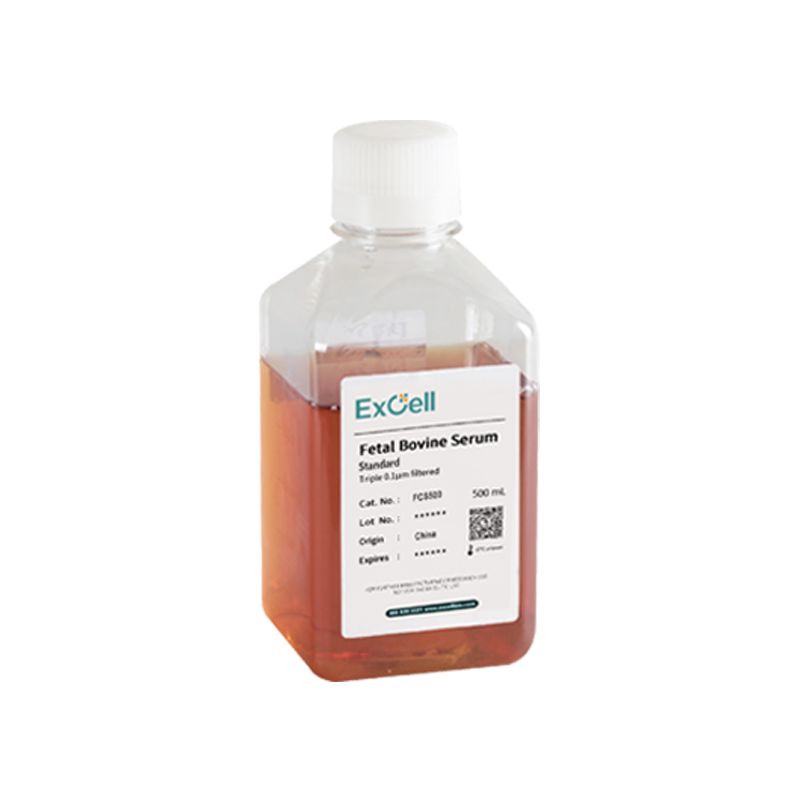
Before you sign a big contract, run a three-lot pilot over six weeks with a standard cell line (e.g., HEK293) and record viability and doubling time; if viability shifts by more than 10% between lots, walk away. I’ve done that twice — once with an overseas supplier in 2016 and again in 2020 — and each time the pilot saved my clients thousands. Practical detail: request storage temperature logs from delivery, and keep a 10 mL sample from each lot for archive testing.
To close, here are three evaluation metrics I urge buyers to use when choosing serum suppliers: 1) Laboratory Pass Rate — percent of lots passing mycoplasma and endotoxin thresholds; 2) Traceability Score — completeness of chain-of-custody, collection date, and irradiation records; 3) Cold-Chain Integrity — number of temperature excursions per 100 shipments. These are measurable, actionable, and they cut guesswork. I’ve stood behind these numbers in contract negotiations and we’ve seen measurable improvement — not promises. For reliable sourcing and answers, check suppliers like ExCellBio.