

Introduction — Why small failures matter
Have you ever stared at a run of failed extractions and wondered where things went wrong? I ask because I’ve been in that lab corner where the assays were fine, yet yields dropped three weeks in a row. Automated nucleic acid extraction sits at the heart of many workflows now, and when it stumbles the downstream PCR and sequencing feel the pain (and so does the whole team).
Look at the numbers: routine labs report anywhere from 2–8% sample loss or invalid runs under suboptimal setups. That may sound small, but across hundreds of samples it becomes a real problem. So what exactly causes those losses — user error, the chemistry, or the machine itself? I’ll walk through what I’ve seen, share concrete jargon-free fixes, and flag what to test first. — then we’ll move into the deeper issues.
Part 1 — Where traditional systems fall short
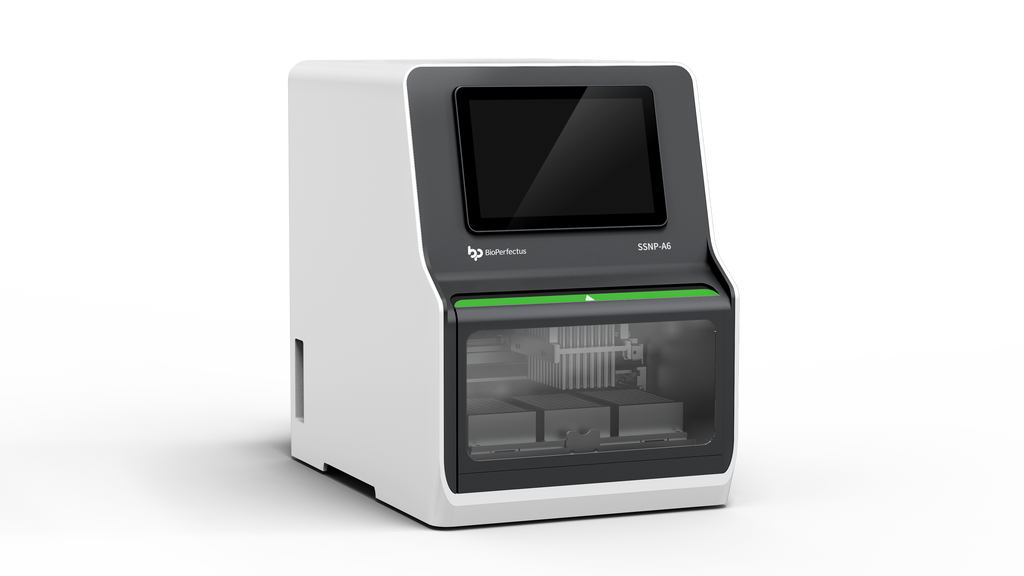
automated dna extraction machine designs were built to speed work and cut hands-on time. But many classic setups still struggle with consistent yields because of a few core flaws. First, the mechanics: rigid pipetting sequences and simple magnetic bead handlers can underperform when sample viscosity or lysate composition varies. Second, workflow assumptions: many systems assume uniform sample volume and composition — which rarely matches reality in clinical or field collections.
Let me break that down in plain terms. Sample lysis and binding steps often depend on tight timing and precise mixing. If the instrument’s actuator tolerances are wide, you get inconsistent bead capture. If temperature control is crude, nucleic acid integrity suffers. These aren’t theoretical problems — I’ve watched extraction runs fail because a heating block drifted by a few degrees. Add cross-contamination risk when wash steps are short or tips are reused too long, and you’ve got a recipe for unpredictable results. Look, it’s simpler than you think: the machine must handle variability, not the other way around.
Why do conventional systems fail?
Often it’s a combination: mechanical wear, poor error feedback (the interface says “OK” but the process was off), and workflows tuned to ideal samples. Magnetic beads, wash volumes, and dwell times matter. So do consumable quality and power stability — yes, even power converters and simple flow paths can change outcomes.
Part 2 — New principles and what to look for next
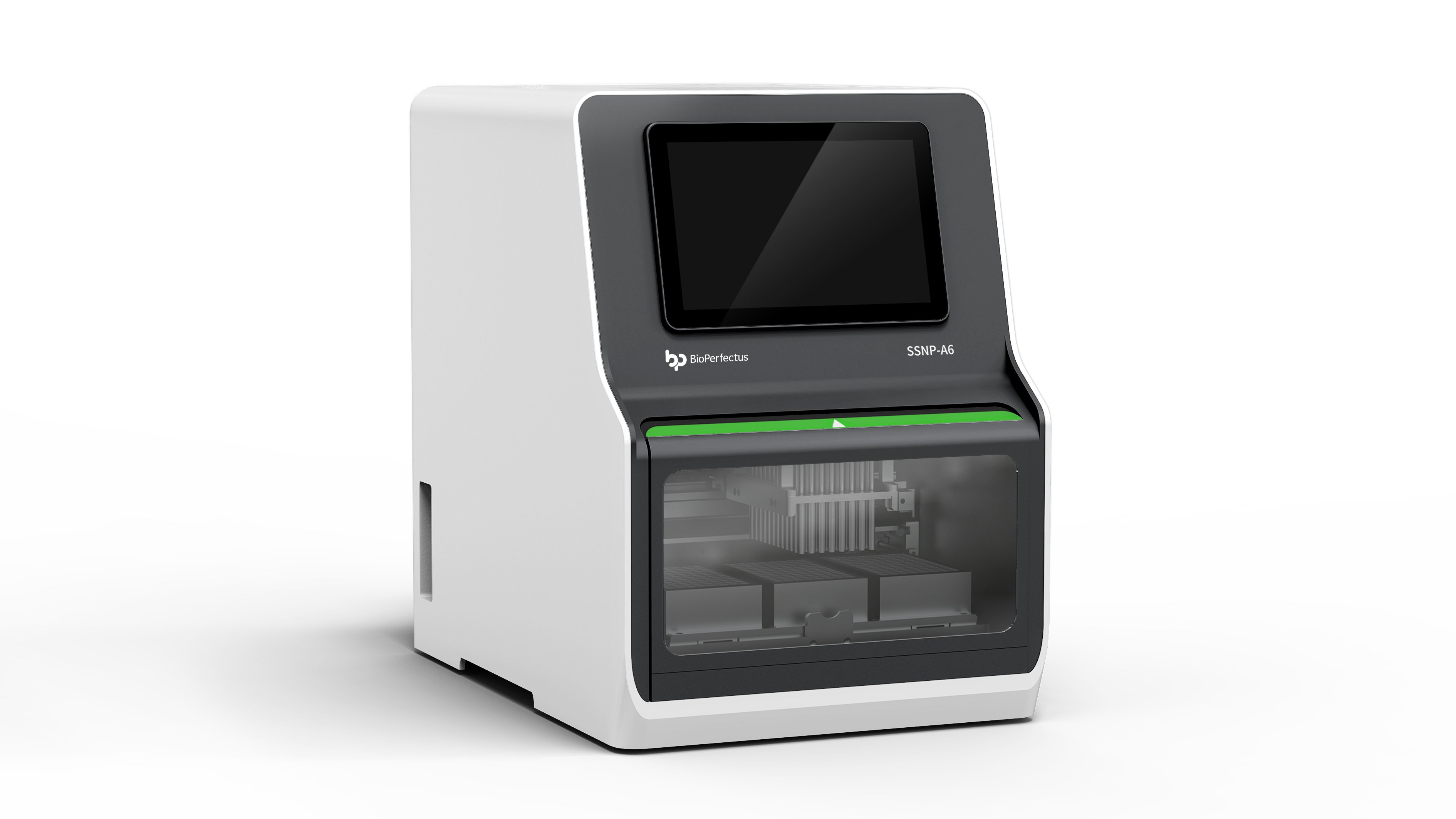
Now let’s shift forward. Modern improvements are less about raw speed and more about resilient design. I want to highlight three principles I trust when evaluating a new automated dna extraction machine: adaptive control, closed-path contamination prevention, and transparent diagnostics. Adaptive control means the system measures key variables (like bead settling or liquid level) and adjusts mixing or magnet times. Closed-path designs limit aerosol and carryover — that reduces cross-contamination risk dramatically. Transparent diagnostics give clear, actionable error messages so technicians can correct problems before the next run (not after).
In practice, I favor systems that monitor throughput metrics and log them. You want real-time checks on sample lysis efficacy, bead recovery, and wash clarity. Edge computing nodes or onboard sensors can do that without adding complexity to the operator’s job. And yes — user interface matters. Clear prompts help less experienced staff avoid common mistakes. — funny how that works, right?
Real-world impact
When labs adopt these principles, they see fewer repeat runs, steadier yields, and faster troubleshooting. I recall a clinic that cut invalid runs by half after switching to a system with adaptive magnet timing and improved diagnostics. The team regained time and confidence. Practical gains like that are the reason I now look beyond just throughput numbers.
Conclusion — How to choose and three metrics to weigh
I’ll close with three concrete evaluation metrics I recommend for anyone selecting an automated nucleic acid extraction solution. First: robustness to sample variability — ask for data showing performance across different matrices (blood, swabs, tissue). Second: diagnostic transparency — the system should provide clear logs and pass/fail signals tied to process steps, not vague errors. Third: contamination control — look for closed-path fluidics, dedicated waste channels, and validated wash cycles.
Weigh these metrics alongside practical concerns: consumable cost, service support, and the ease of integrating the instrument with your lab’s LIMS. I’ve found that machines designed with adaptive control and good diagnostics reduce stress as much as they save time — and that matters to people, not just projects. If you’re assessing options, start with simple bench tests: varied sample types, intentional edge cases, and power fluctuation checks. The results will tell you more than glossy brochures ever will.
For a practical starting point and more detailed specs, consider vendors that publish performance curves and diagnostics, and don’t hesitate to ask for a site demo. In my experience, that hands-on look reveals whether the machine fits your real workflow. BPLabLine