

Introduction — a quick scene, a few numbers, one question
I once watched a teen grin after getting their first retainer and then tuck it into a drawer—only to forget it for weeks. That small habit matters because studies show up to 30% of patients skip prescribed retainer wear within three months. lulusmiles has seen similar patterns in patient feedback, and I keep asking: why do so many good outcomes slip away? (It’s a mix of comfort, routine, and simple design.)
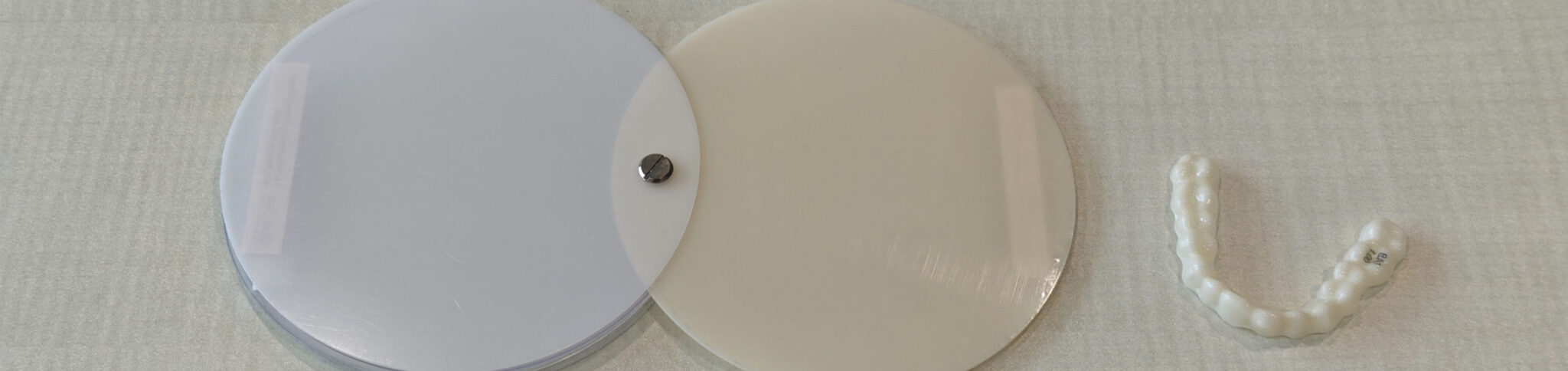
I’ll teach you what I’ve learned from patient stories and clinical notes. We’ll use plain language and a few industry terms like orthodontics, aligner, and occlusal forces so you feel confident, not overwhelmed. I want you to leave this section with a clear next step—how to look at retainers as part of the whole user journey. Ready? Let’s get into the real problem behind the appliance.
Where common solutions fail: the retainer problem, explained directly
retainer is supposed to lock in months of effort. Instead, I find too many designs ignore the day-to-day life of the wearer. Directly put: comfort beats perfection every time. A stiff clasp, unclear care instructions, or a bulky profile will beat clinical strength. Patients tell me they prefer a slightly less rigid option if it means wearing it more. I believe that. Look, it’s simpler than you think.
Why does that happen?
First, many retainers focus on mechanical stability—materials, wire thickness, bonded retainer techniques—without testing real world use like speaking, eating, or sleeping. Second, hidden pain points pop up: soreness from sharp edges, the stigma of visible hardware, and the effort of cleaning. These are small frictions, but they add up. Add to that varying occlusal forces from chewing and a patient’s irregular routine; the result is inconsistent wear. I’ve seen fitted devices fail not because they are poorly made, but because they were designed for the clinic, not the kitchen table.
Looking forward: practical principles and a future-ready outlook
What’s next? We should shift to patient-centered design principles—simple things that add up. Start with ergonomics: trim edges, soften contact points, test speech comfort. Combine that with clear behavior nudges—timers, simple cleaning kits, and verbal coaching. When I think of new tech principles, I imagine small sensors (yes, miniaturized) tracking wear time, better materials that resist biofilm, and modular designs that let patients swap parts without a visit. That’s realistic. — funny how that works, right?
What matters when you choose a solution?
Evaluate three practical metrics before deciding: 1) Real-world wear rate (not lab strength), 2) Comfort score from patient trials, and 3) Ease of maintenance. Those metrics beat glossy specs every time. For clinicians, I suggest a trial period with follow-up check-ins. For patients, pick a solution that earns consistent use over theoretical perfection.
When I sum this up, the lesson is clear: retainers—like any medical device—must fit into a human life. Small design choices and honest follow-up can turn a forgotten appliance into a routine habit. If you want examples or product options, check the choices at tooth brace. I find that practical changes yield measurable results and happier smiles. For more, visit lulusmiles.