

Introduction — A Question to Start With
Have you ever wondered why some toothpastes look like a clear gel in the tube but go cloudy on the brush?

Toothpaste Silica is often the quiet workhorse behind that change, affecting everything from gloss to foam and mouthfeel. I see this daily in lab sketches and customer notes: market research shows a steady 12–18% rise in demand for transparent gels over the last three years, yet complaints about separation and grit persist. (We hear the same stories across regions — small shops to large chains.)
Think about a consumer opening a see‑through tube and expecting a smooth, glassy gel; instead they sometimes find streaks or a dull finish. Why does that mismatch between expectation and experience keep happening? I ask that because the answers shape formulation choices, regulatory decisions and ultimately brand trust.
In the sections that follow, I will compare common approaches, point out where they fall short and walk you through practical signs to watch for — so you can choose materials and methods that actually deliver what the label promises.
Part 2 — Where Traditional Solutions Falter with transparent toothpaste
Why do clear gels behave differently?
Let me be blunt: many classic fixes treat symptoms, not causes. Manufacturers often rely on standard silica fillers and generic thickeners to produce clarity, but that choice can raise abrasivity and disturb rheology. In my experience, the immediate fix—raising binder levels or adding more thickener—can stabilise appearance for a short while and then create a stiffness or stringiness the consumer dislikes. Look, it’s simpler than you think: clarity demands a careful match of particle size distribution, surface treatment and hydration behaviour.
Technically, transparent formulations are unforgiving. If the silica surface chemistry is off, the gel will show micro‑bubbles or coagulate under shear. If particle size is too broad, light scatters and the gel loses shine. I have seen batches that met all bench tests yet failed consumer trials because we under‑estimated interaction with fluoride or essential oils. The flaw is not the concept of using silica — it is assuming any silica will do. We must parse abrasive index, silane coverage and dispersion energy rather than rely on a single corrective additive.
Part 3 — Future Outlook: Case Example and Principles to Apply
What’s Next for clear formulations?
I recently worked on a case where a brand insisted on a mirror‑clear gel but also wanted low abrasivity. We rethought filler selection and switched to a treated silica grade that balanced polish and scatter control (the result was noticeably glossier and gentler). The process required us to map particle size distribution, tweak polymer backbone and test rheology under real brushing shear. It was iterative — and yes, time‑consuming — but the payoff came in consumer panels and fewer returns.
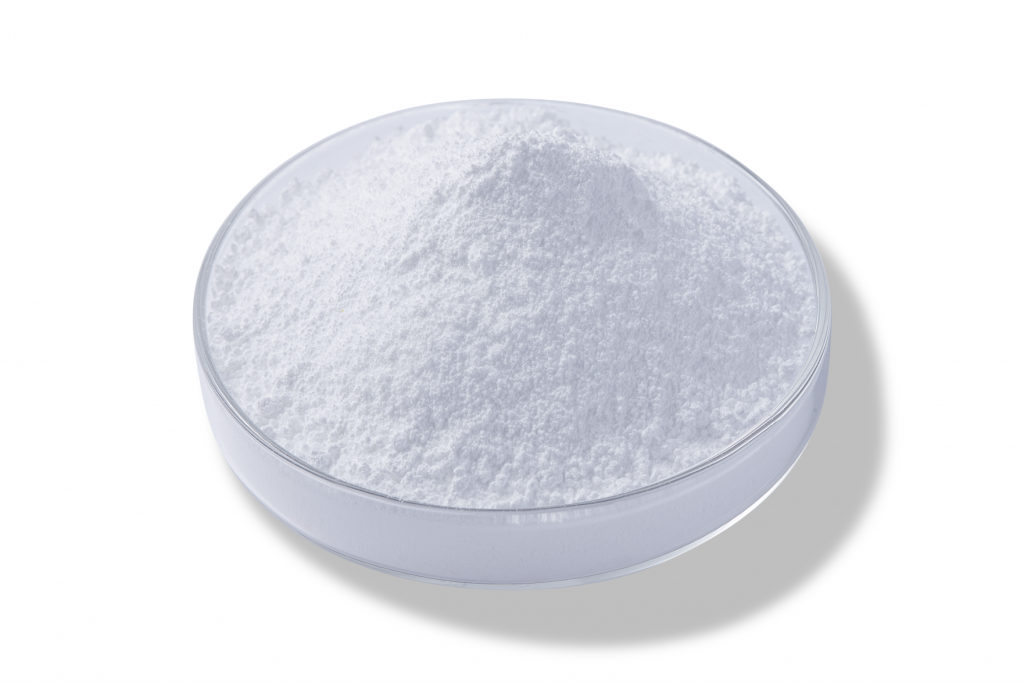
Looking forward, I expect suppliers and formulators to prioritise measured transparency metrics and to communicate them up the chain. For practical evaluation, consider three metrics when choosing solutions: 1) scattering coefficient (how much light the particles deflect), 2) abrasivity index (how the filler affects enamel simulants), and 3) rheological profile under shear (spreading and retention). Use those to compare claims, not just marketing images. Also, test with common flavour oils and humectants early — they change behaviour. — funny how that works, right?
In closing, I advise you to treat transparency as a systems problem: start with the right silica, verify dispersion and measure performance in simple, repeatable tests. If you want a reliable partner, I have found that working with technical suppliers who share raw data speeds development and reduces surprises. For suppliers and grade details, check JSJ at JSJ — they helped clarify a few of my own tricky formulations and their data saved us days in the lab.