

Introduction
I once stood in a cold feed room at dawn, watching hens hesitate under a mix of flickering bulbs and harsh halogen glow — that moment stuck with me. In many operations, led barn lights are sold with claims: 70% energy savings, lifespans over 50,000 hours, and smart controls that do everything for you; but the field data still shows uneven light distribution and stressed animals (and farmers gripe about maintenance). So why do so many systems promise simplicity yet deliver head-scratching complexity? I want to unpack that — step by step — and share what I’ve learned in the barn, on the shop floor, and from installers. Read on for a practical take that moves from a painful scene to clear fixes and real metrics.
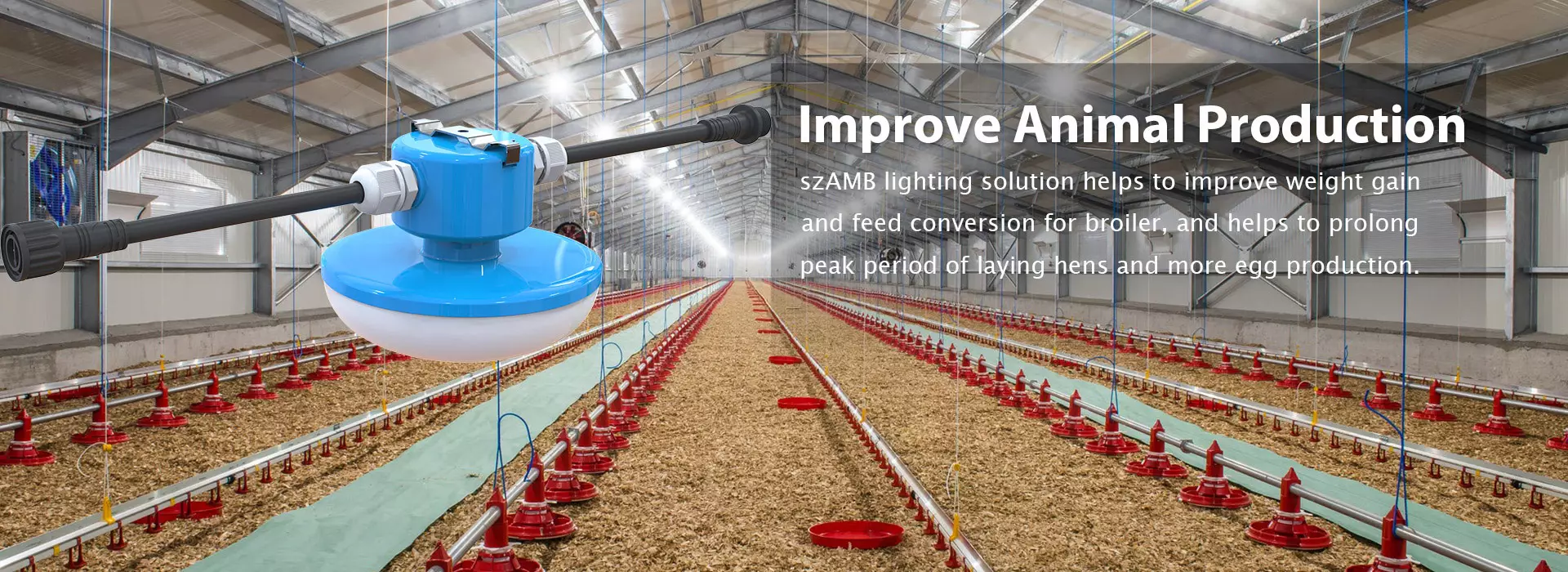
Hidden User Pain Points: What Makers Don’t Say
What’s actually failing?
Let me be blunt: much of the trouble starts with mismatched expectations. Photoperiod control — the basic practice of aligning light cycles with animal rhythms — is often treated as an add-on, not the backbone of the system. When farmers try to light up farm animals, they get bulbs with great lumen ratings but poor beam angle choices. The result is bright spots over feeders and dim corners in brooding pens. This is not a theory; I’ve seen it on multiple farms. Add in cheap LED drivers and inconsistent dimming protocols and you have an uneven environment that stresses animals and confuses staff.
There’s another layer: installation and service. Power converters and wiring decisions are routinely underestimated. A poorly sealed fixture or a marginal power converter will fail faster in humid barns. Look, it’s simpler than you think — but only if you plan for real conditions, not ideal specs. Farmers tell me stories of control panels that beep at 3 a.m., or systems that reset after a storm. Those anecdotes point to hidden pain: maintainability, spare part access, and the human cost of complexity. We should be measuring the total cost of ownership, not just watts saved.
Future Outlook: Principles and Priorities for Better Barn Lighting
What’s Next?
Moving forward, I expect a shift toward pragmatic smart lighting — not flashy features for their own sake. New technology principles here mean focusing on robustness, predictable photoperiod control, and straightforward user interfaces. When teams deploy systems to light up farm animals, they should prioritize consistent lux levels, reliable LED drivers, and clear service paths. That will reduce downtime and improve welfare. Also, manufacturers are combining simple sensors with edge computing nodes for local decision-making — handy when cloud links fail. The point is to make the intelligence helpful, not fragile.
Practically speaking, farms will benefit most from solutions that score high on three quick metrics: consistent lumen distribution across animal zones, proven durability of power converters and fixtures in damp conditions, and control systems that staff can use without a training manual. I’ve tested setups where improved beam angle and basic dimming protocols cut stress indicators in animals — yes, measurable behavior change — and saved labor hours. — funny how that works, right? In short: choose reliability over bells and whistles. For tools and support, consider vendors with field service footprints and clear warranty terms. And remember — we’re always balancing cost, welfare, and simplicity.
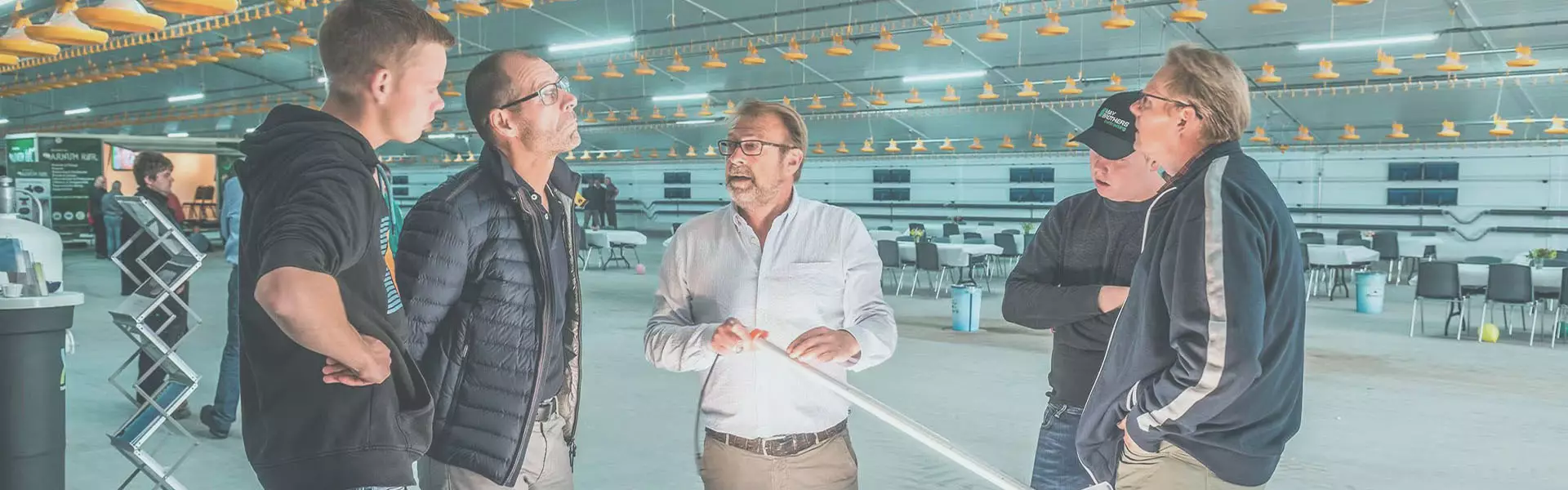
Closing Advice: How I Evaluate LED Barn Lighting
I wrap up with three practical evaluation metrics I use on every project. First, measure light uniformity (lux across zones) before you buy. Second, check component durability: are the LED drivers and power converters rated for wet, dusty settings? Third, validate control usability: can your crew adjust photoperiods and dimming protocols without an app developer on call? These are simple, but they separate systems that relieve work from those that add it. I’ve learned to trust field-proven designs over clever prototypes — there’s emotional relief in that, honestly.
If you want a quick checklist, I’ll share one: map animal zones, test a demo rig in place, and insist on a local support plan. Those steps avoid late-night troubleshooting and keep animals calm. We’ve come a long way with LED tech, but the gains are real only when systems fit farm life. — and yes, real-world testing beats glossy specs every time. For practical fixtures and support I respect, see szAMB.