

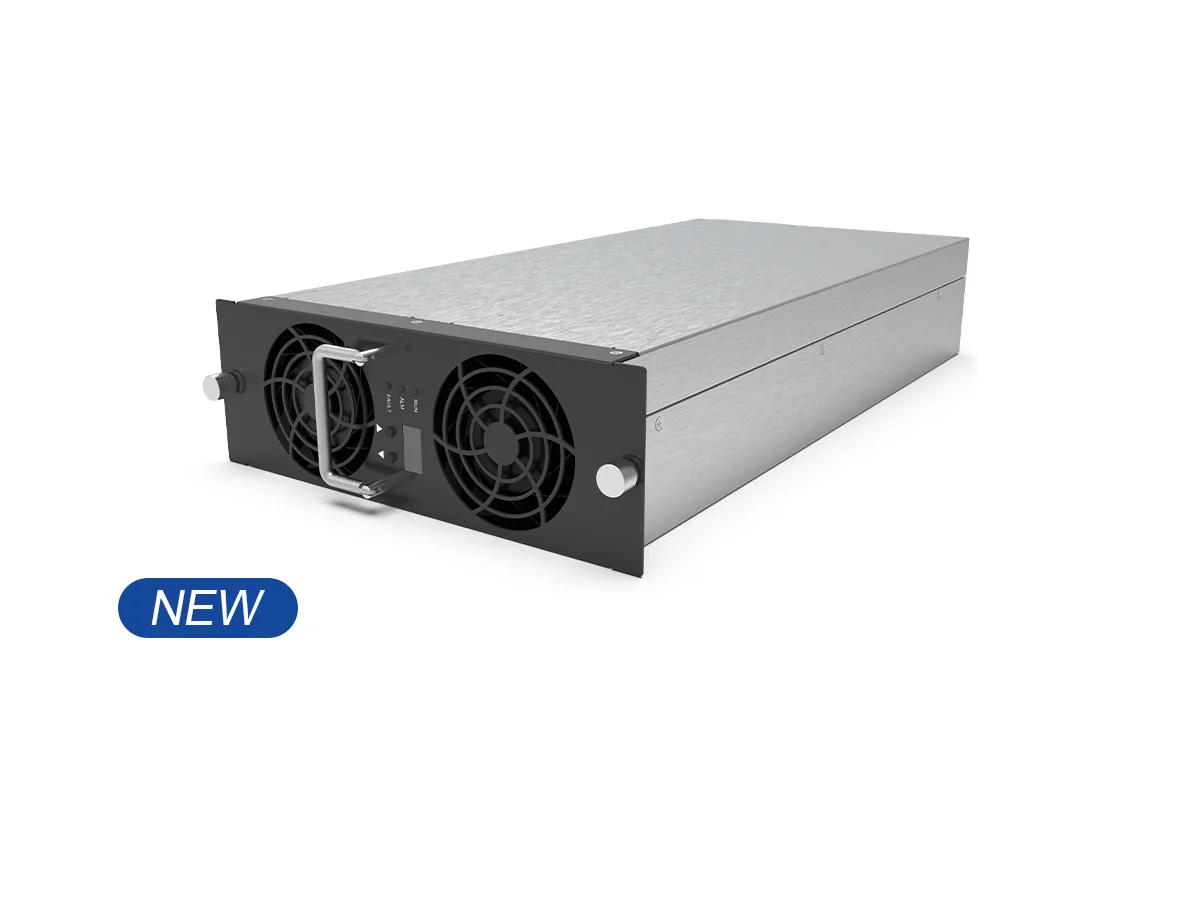
Introduction: Train the Hardware Like an Athlete
You can fix most charger failures before they start. The EV charger power module is the “engine room” that takes the beating when weather, load spikes, and time pile on (and they always do). Picture a bus depot after a storm: wet cables, grit in the air, and drivers who need range now. In sites like this, field data often shows double-digit failure spikes after seasonal shifts. One audit logged a 22% rise in trips linked to moisture, with another 15% tied to heat stress. So ask yourself: are we conditioning our modules to handle the grind, or hoping for a calm day?
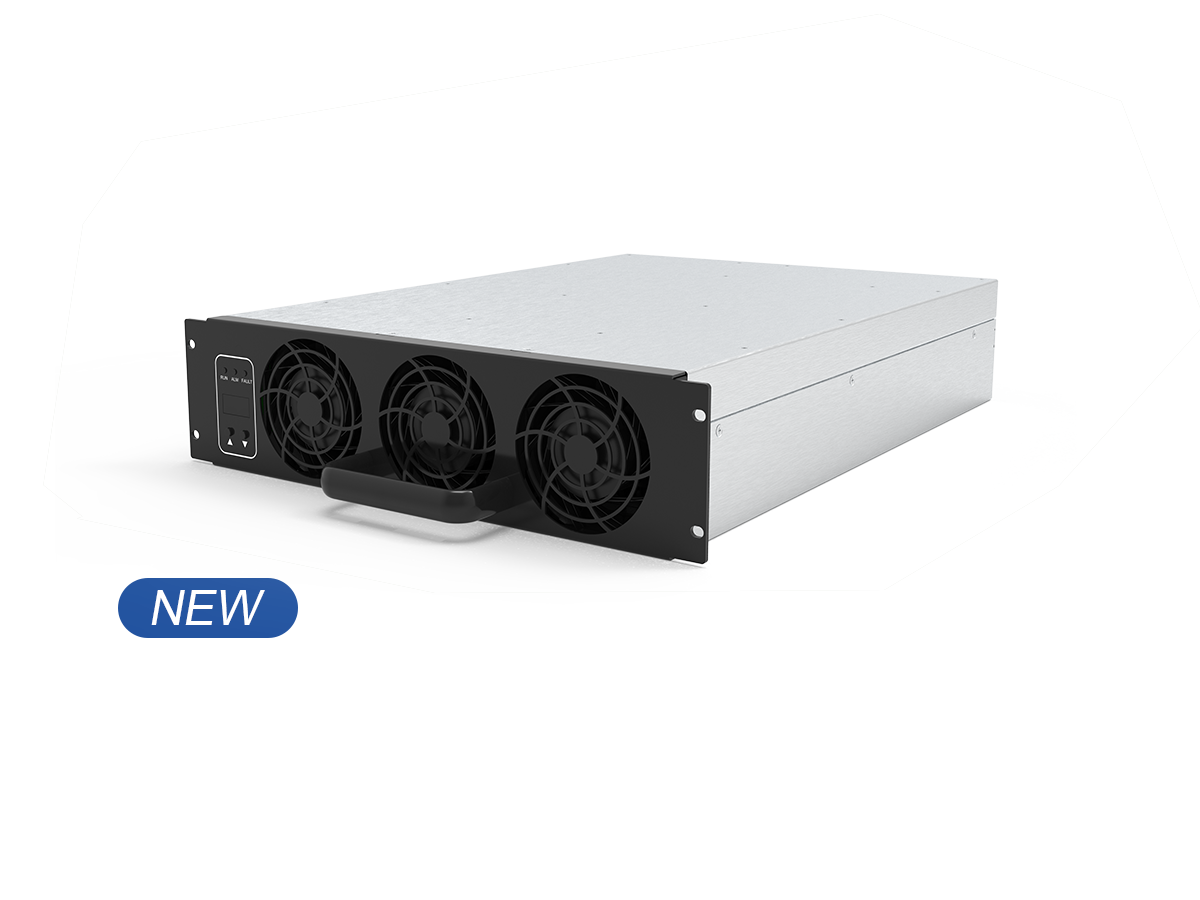
Here’s the simple shift: think durability first, performance second. A fit system can do both. When seals creep, bearings hum, and heat stacks up, the weakest part breaks the routine — and yes, it still counts. What if we coached the system like a trainer? Set baselines, build stress capacity, then hold form. That’s the mindset we bring to power stages, thermal paths, and protection layers. Ready to see how that plays out in real builds? Let’s dig in and compare what works with what only looks like it works.
Deeper Layer: Why Traditional Seals Keep Letting You Down
What does potting really change?
Let’s get technical and clear. A gasket can block a splash. A fan can move heat. But neither fixes the core failure mode: voids and micro-gaps that invite moisture, dust, and vibration. A fully potted charging module floods those voids. The compound bonds to components and the case, creating a solid mass that won’t pump air with each thermal cycle. That matters, because thermal cycling and capillary action are why “sealed” modules still fog up and corrode. Look, it’s simpler than you think: remove the gaps, remove the ingress.
Now the second layer: electrical and thermal behavior. Potting stabilizes the EMI filter network by reducing movement at high switching frequency. It also evens out heat flow, which helps avoid hot spots near power converters and sensitive isolation topology nodes. That means less drift, fewer nuisance trips, and better MTBF in real sites. Fans and foams try to patch symptoms; potting changes the structure. In short, you are not just keeping water out. You are stopping the mechanical and electrical stresses that make small flaws grow into big failures.
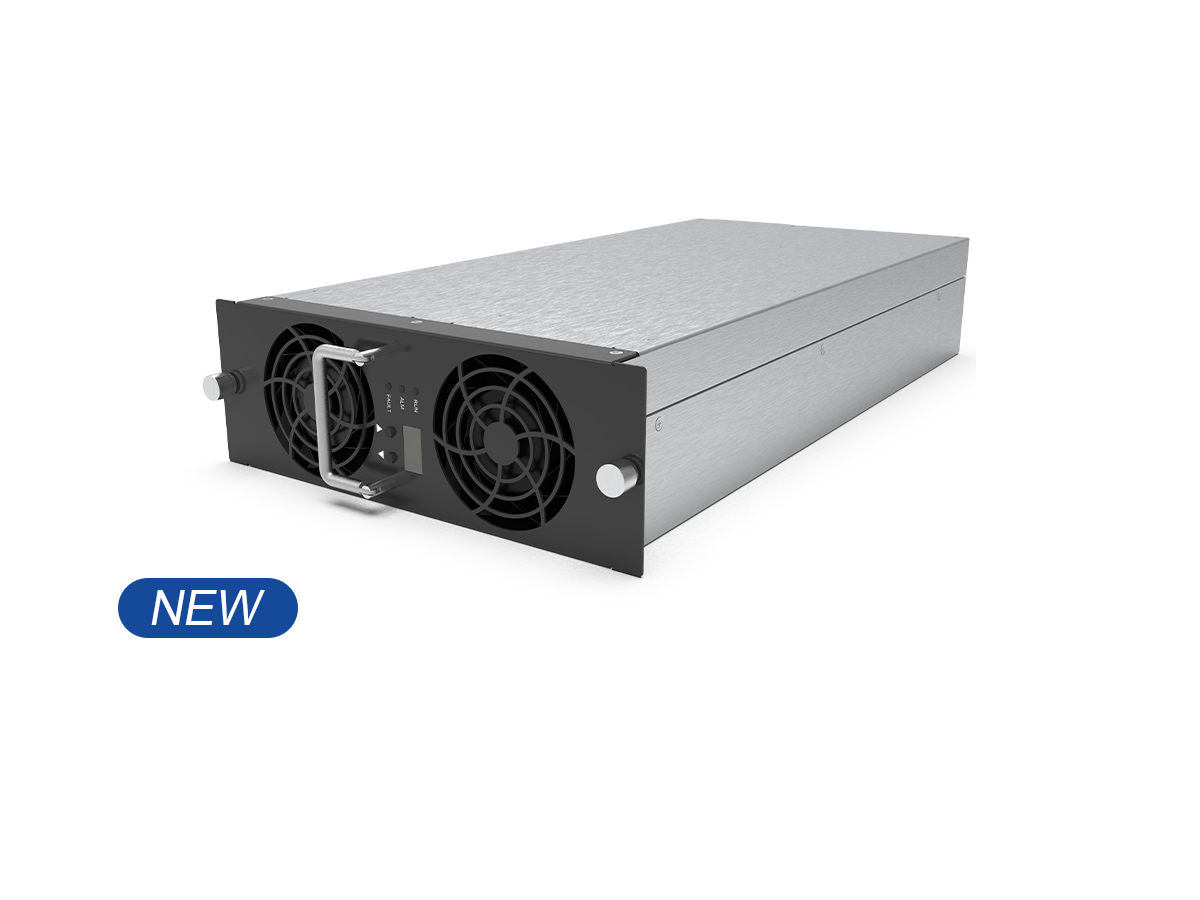
Forward Look: Principles Behind the Next Wave of Protection
What’s Next
Now let’s compare outcomes and peek ahead. The old stack—gaskets, drain holes, and a thin conformal coat—works until wind-driven rain and vibration do their slow work. In contrast, a modern, high-density, potted design treats the enclosure as a protective shell and the fill as a structural core. The physics are plain: no air gaps means no moisture pumping, stable component spacing, and steadier heat paths. Pair that with smarter sensing at IGBTs and inductors, and you get a system that warns you before stress becomes damage. That’s the shift from “hope the box holds” to “engineer the mass.”
Real-world translation? Sites using a high-protection charging module report fewer service calls in coastal zones and dusty yards. Not magic — just materials and layout doing their job. Add light diagnostics on edge computing nodes and you can spot cable strain, fan degradation at the cabinet level, or mild thermal runaway risk during heat waves — funny how that works, right? The endgame is stability that scales. As fleets add chargers, you’re not multiplying weak points. You’re repeating a robust unit that behaves the same under rain, heat, and vibration. That’s how expansion stays calm and costs stay boring.
How to Choose Without Regret
Let’s wrap this with practical checks you can use on day one. Advisory mode on, simple and strict. First metric: ingress resilience under stress, not just a static IP rating. Ask for data from thermal shock and vibration tests with powered cycling; see how leakage and insulation resistance held up across cycles. Second metric: thermal headroom at high ambient plus load. You want real curves, not a single “rated” point. Compare delta-T across power stages and look for steady behavior near peak switching frequency. Third metric: service proof. Does the module expose clear fault logs, and can it feed alerts to site software or edge computing nodes for predictive maintenance?
Put the answers side by side with any potted versus semi-sealed design. If you see lower drift in EMI readings, fewer nuisance trips, and stable MTBF during seasonal swings, you’re on the right track. And if a vendor can’t show lifecycle test results in dust, salt fog, and vibration, keep walking. Your future uptime is won or lost in those details. Choose the build that turns harsh sites into routine days, and your crew will feel the difference every shift. For a clear reference point, see the approach behind winline EV charger.