

Introduction — a backstage moment
I once tuned a battered amp between songs and heard a soft mechanical sigh from the venue’s old fan — that tiny sound stuck with me like a chord you can’t forget. In factories and homes alike, the humble electric motor hums a similar tune; an electric motor moves our world, from toys to trains, and it uses a surprising share of our power (truly, it’s everywhere). Recent figures show motors account for roughly half of industrial electricity use worldwide — that’s a lot of energy and a lot of stories. So I ask: what if the parts we ignore are the ones shaping tomorrow’s soundscape?
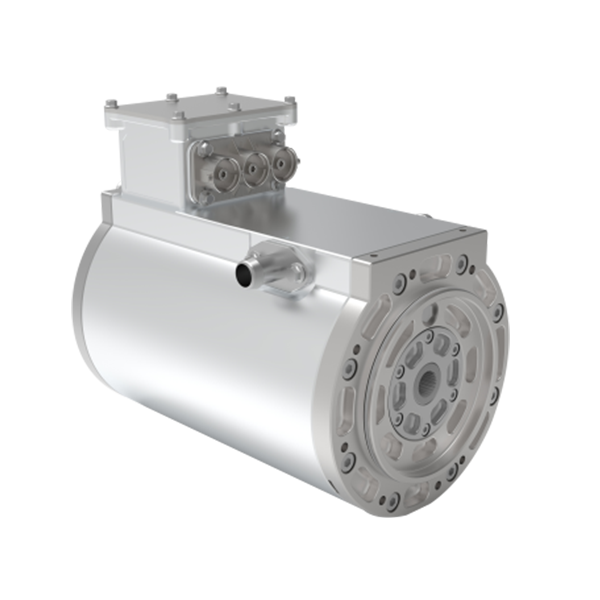
Picture this: a rotor that doesn’t quite spin true, a controller that misreads a signal, and a product manager staring at runaway heat charts. Those small failings add up — in noise, repair bills, and customer frustration. I’ll walk you through what I’ve seen, the quirks that hide beneath shiny casings, and why those quirks matter. Let’s open the case and listen closely — because the details sing. Moving on, we’ll pivot into the deeper flaws and pains beneath the charm.
Part 1 — Where the classics fail: Traditional solution flaws
electric motors have a simple goal: convert electrical energy into steady, useful motion. But that simplicity masks a stack of legacy problems. Stator heating, worn brushes, noisy commutation, and inefficient power converters all erode performance. When I test older designs, I often find excessive torque ripple and poor thermal paths. These issues shorten service life and raise energy bills — and they frustrate users who expect quiet, smooth operation.
Let me spell out what usually trips teams up. First, mechanical wear (brushes, bearings) forces frequent maintenance. Second, control electronics that lack adaptive feedback can’t compensate for load swings or supply noise. Third, electromagnetic interference and harmonics sneak into nearby sensors and cause odd behavior. Look, it’s simpler than you think: small mismatches in rotor balance or poor commutation create big headaches downstream. We’ve tried band-aid fixes — beefier bearings, bigger heat sinks, shields — but they only delay the reckoning. For designers and operators, the pain points are clear: unpredictable downtime, uneven torque, and mounting lifecycle costs. How do we move beyond tinkering? That’s the technical turn we need to take next.
Why do these flaws persist?
Because old habits die slowly. Manufacturers rely on proven parts and suppliers. Maintenance teams learn fixes that patch rather than transform. And budgets — well, they nudge toward short-term wins. I believe we can do better by rethinking control, materials, and system-level design rather than chasing incremental improvements.
Part 2 — New principles and a forward-looking view
When I look forward, I see a shift from reactive fixes to principled redesign. The move centers on smarter control loops, better magnetic materials, and system-aware electronics. The brushless electric motor — with its electronic commutation and reduced wear — already changes the game by cutting friction and maintenance. But it’s not just removing brushes; it’s about integrating sensors, closed-loop control, and efficient power conversion so the whole system acts like a single instrument rather than a collection of parts.
Here’s the gist: use higher-grade magnets to shrink losses, add rotor position sensing for precise timing, and pair that with adaptive firmware that watches torque and temperature in real time. I’ve seen prototypes drop energy use and noise markedly. — funny how that works, right? The practical gains show up in uptime, quieter operation, and lower total cost of ownership. Real-world teams also lean on diagnostics (vibration analysis, current signatures) to predict faults before they sing out loud. In short, the new principles are about blending hardware and control into a cohesive performance plan.
What’s Next — real-world impact?
We’re already seeing manufacturers adopt modular drive platforms and smarter motor topologies. That means faster iterations, fewer surprises in production, and products that feel more reliable to the end user. The shift is gradual, but it’s meaningful: less downtime, cleaner energy profiles, and more predictable service life. — and then some.
Practical takeaways and how I evaluate solutions
I want to leave you with three concrete metrics I use whenever I weigh a motor solution. First: efficiency under realistic loads — not just peak numbers on a spec sheet. Second: control fidelity — how well the motor holds torque and speed when conditions change. Third: maintainability and diagnostics — can the system predict trouble before it stops production? I choose these because they map directly to user pain: bills, downtime, and surprise repairs.
In my work I favor integrated, brushless designs that pair smart drives with clear telemetry. I’m candid — no single fix solves every problem, but the right mix of materials, control strategy, and diagnostics gets you close. If you’re redesigning a product or choosing a supplier, look for transparent testing data, modular electronics, and a willingness to iterate. For deeper exploration and parts that fit this modern approach, I often point colleagues toward suppliers who combine engineering rigor with real-world testing — Santroll.