

Introduction: The Small Specs That Move Big Megawatts
I’ve spent over 17 years buying, deploying, and fixing large battery assets for utilities and IPPs. When I say “compare,” I mean full-stack, from cell to grid event. In that frame, utility scale energy storage systems are not one product; they are a tight bundle of chemistry, power electronics, controls, and site constraints. Last summer, we logged 2.3% auxiliary load on a 100 MW/200 MWh site in Pecos County at 38°C. That tiny line item cost $410,000 in a year at $85/MWh average capture — no, not a rounding error. So here is the question I keep asking teams: are you comparing the same boundary, or just the headline numbers?
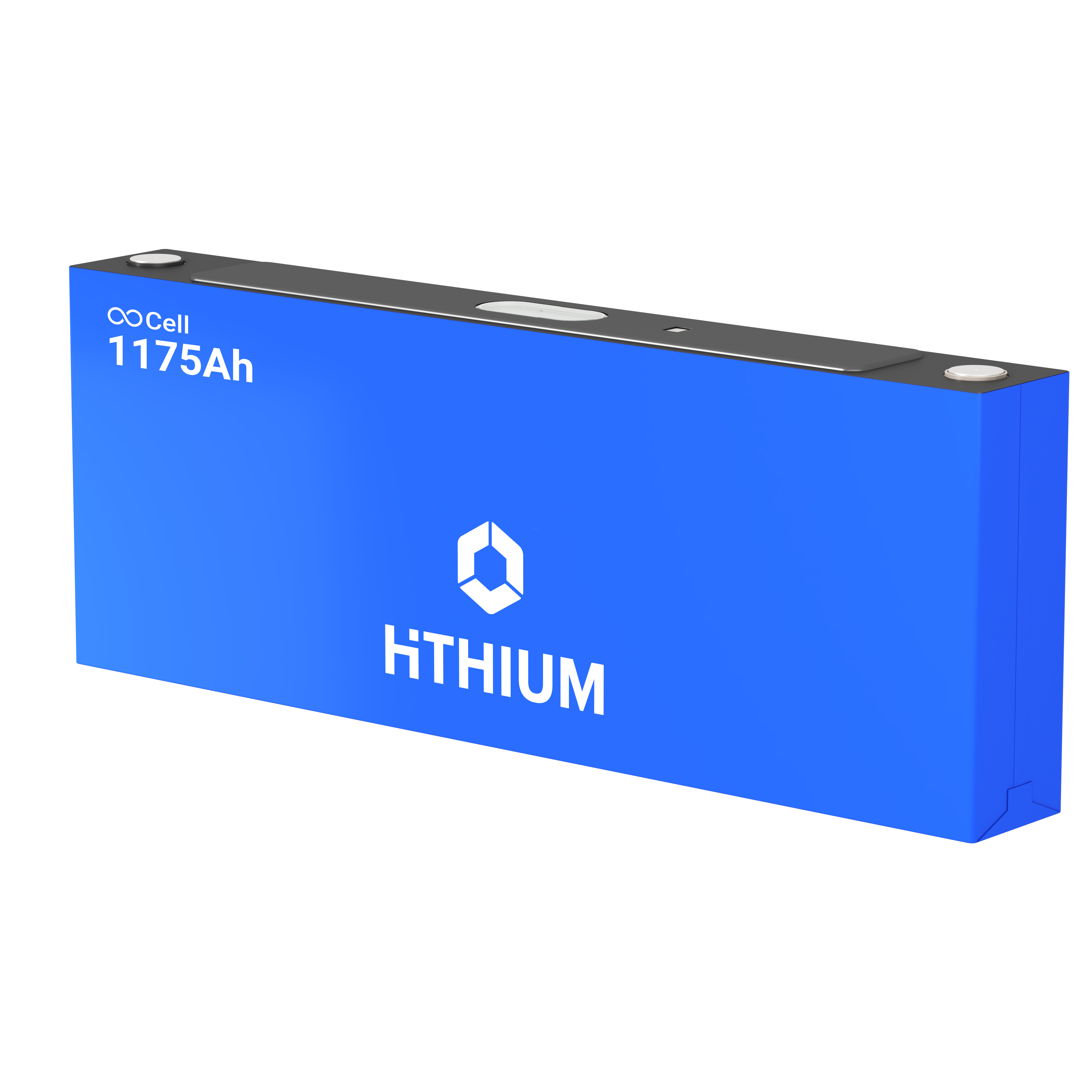
Scenario first. You stand in a dusty laydown yard, inverter cabinets humming, HVAC roaring, SCADA screens green. Utility scale battery storage looks finished. Then the interconnect study lands with a 1.8 short-circuit ratio and tight reactive power limits. Your “98%” round-trip efficiency melts after you factor power converters, HVAC parasitics, and transformer losses. I prefer comparisons that include BMS logic behavior, PCS clipping at high C-rate, and EMS ramp controls. Trust me, missing any one of those bites during commissioning. Data backs it. In Bakersfield in 2022, a 34.5 kV site lost 7–9% of usable dispatch just to thermal derates across a heatwave. Why accept that blind?
What gets missed in procurement?
Simple: site-boundary efficiency, grid-forming behavior under weak grids, and augmentation math after year five. We will unpack those — and a few more the spec sheets hide.
Hidden User Pain Points the Spec Sheets Don’t Show
I remember a Saturday morning in July 2023 when a firmware patch (v1.2.7) tripped three PCS strings during a fast frequency event in ERCOT — I still have the email. The root cause was a tight anti-islanding window combined with a lagging VAR limit. On paper, the system met IEEE 1547 and IEEE 519 harmonic targets. In practice, that limit cut into contingency response. This is why I put real weight on the EMS ramp tables, deadbands, and how the BMS arbitrates SoC floor under stacked services. If you run energy plus frequency regulation, a 5% enforced SoC reserve can erase a third of your expected revenue swing. Not theory. We measured it at a 50 MW site near Fresno over 90 days.
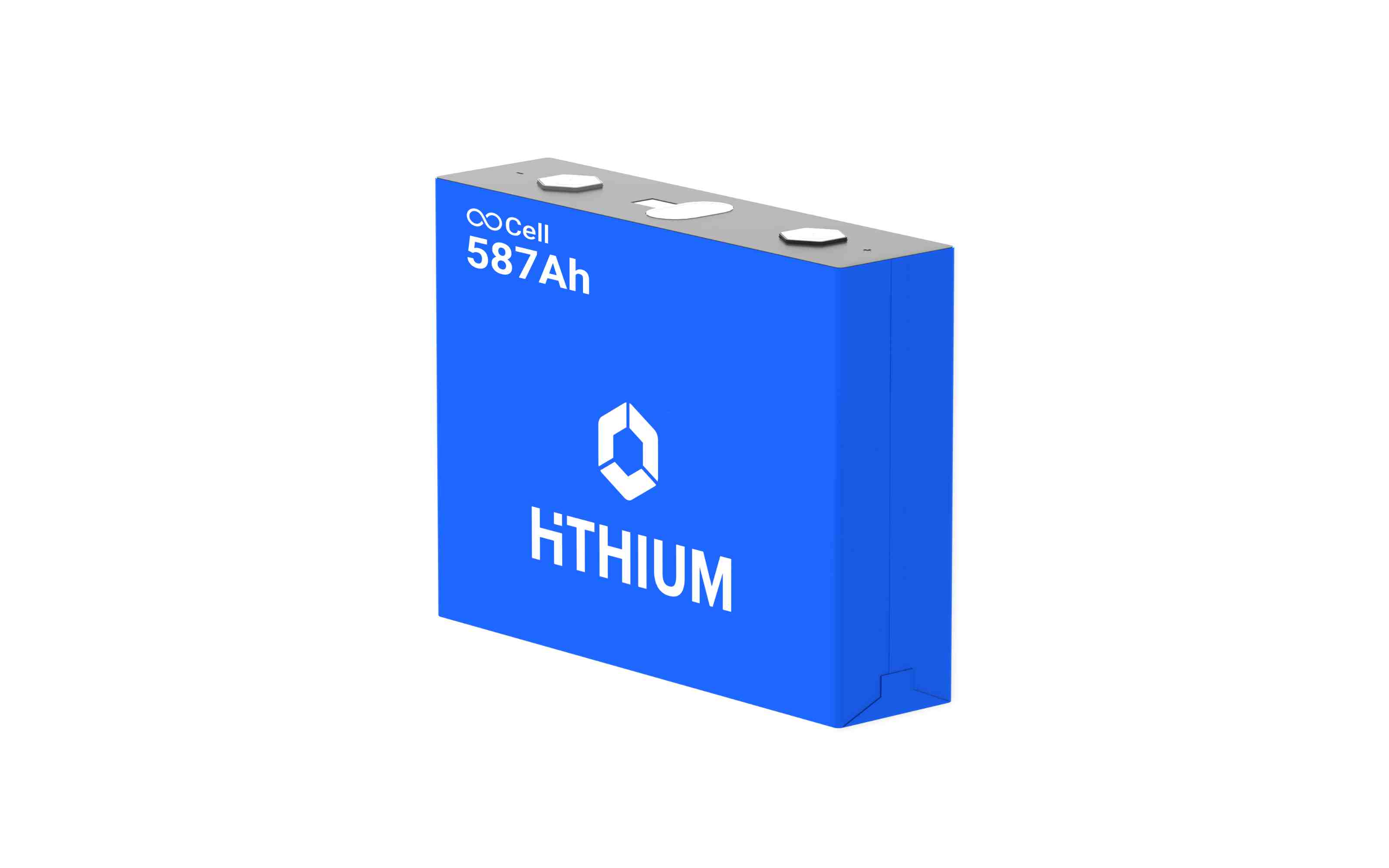
Cooling is the other trap. Containerized LFP with forced-air cooling sounds fine until you add dust, long cable runs, and a late-August sun. We swapped to liquid-cooled packs at a coastal site in 2021 and cut auxiliary draw by 1.1–1.4 percentage points during peak ambient. That is real money over 15 years. Fire code and insurance can swing costs too. UL 9540A tests that show limited propagation let you densify the yard and cut trench length — less copper, fewer losses, fewer headaches. And think about edge computing nodes at the feeder. If the EMS cannot hold setpoints locally when WAN drops, you will curtail. I’ve watched a line go quiet for 27 minutes because of a SCADA handshake — yes, on a Sunday. That silence cost about $12,000 in one afternoon.
What’s Next: Principles That Will Age Well
Here’s where I go technical, because it matters when you plan for 2030. Grid-forming inverters change the comparison. They hold voltage and share frequency under low short-circuit ratio, which kills many nuisance trips. If your site sees SCR below 2.0, put grid-forming capability on page one. Next, DC-side architecture. DC-coupled PV plus storage cuts conversion steps and curtailment, but only if your DC bus and protection scheme allow flexible routing without hammering the PCS. I also watch for string-level redundancy, liquid cooling with variable-speed pumps, and thermal maps at 1C continuous. These show up later as fewer derates. And yes, EMS with deterministic control cycles and local failover; the steady 50 ms loop beats a “cloud-first” design when events cascade. It’s the difference between control and a guess.
Chemistry is also widening. LFP keeps leading, but sodium-ion pilots are no longer a science fair. For 2–4 hour durations in cold climates, sodium-ion avoids lithium plating risk and may win on resilience, if the pack and heater design land right. Keep an eye on cell-to-pack integration that removes modules — fewer interconnects, less resistance, tighter diagnostics. The comparative trick is to test these in whole-system terms. Ask vendors of utility scale energy storage systems for site-boundary efficiency at three ambient bands, reactive power range at partial load, and FFR performance with weak-grid emulation. You learn more in one week of structured tests than in fifty pages of glossy charts. And keep your eyes on cybersecurity hardening for NERC CIP — a blocked patch window can strand you during a peak ramp.
Real-world impact
When we retrofitted a 20 MW site in Ontario in February 2024, adding grid-forming firmware and better thermal sequencing cut forced outages by 62% over the next quarter. Same containers, new brain — call me stubborn, but control matters first.
How I Measure a Good Deal (3 Checks You Can Run Next Week)
Here is how I close a comparison, and I stand by it. One: effective round-trip efficiency at the site boundary, not the cell, across three ambient bins and two dispatch profiles, including HVAC, transformers, and auxiliaries. Two: grid support score — inertia or synthetic inertia response time, fast frequency response at 50% SoC, and reactive power range at P/Q corners under a short-circuit ratio under 2.0. Three: lifetime cost per delivered MWh after augmentation, with a thermal derate model tied to real weather files (TMY3 or, better, last-two-year actuals). If a vendor can’t show those, I walk. If they can, we have a basis for risk, schedule, and warranty that I can defend in front of a board. For what it’s worth, I’ve seen manufacturers like HiTHIUM publish enough stack-level data to make these checks practical — and that transparency saves months later.