


When the sun becomes the problem
Out in hotter zones the sun does more than shine — it chews through plastics and dulls the green. Manufacturers tasked with making lifelike trees for deserts and Mediterranean terraces must reckon with thermal degradation, prolonged UV exposure and the unusual stress of fluctuating nights. This is where a reliable uv protected artificial outdoor plants manufacturer and a tested faux outdoor plants factory change the conversation: factory trials in arid settings like the Sonoran Desert and the recent European heatwave cycles show that untreated polyethylene fronds and weak fixings simply won’t last.
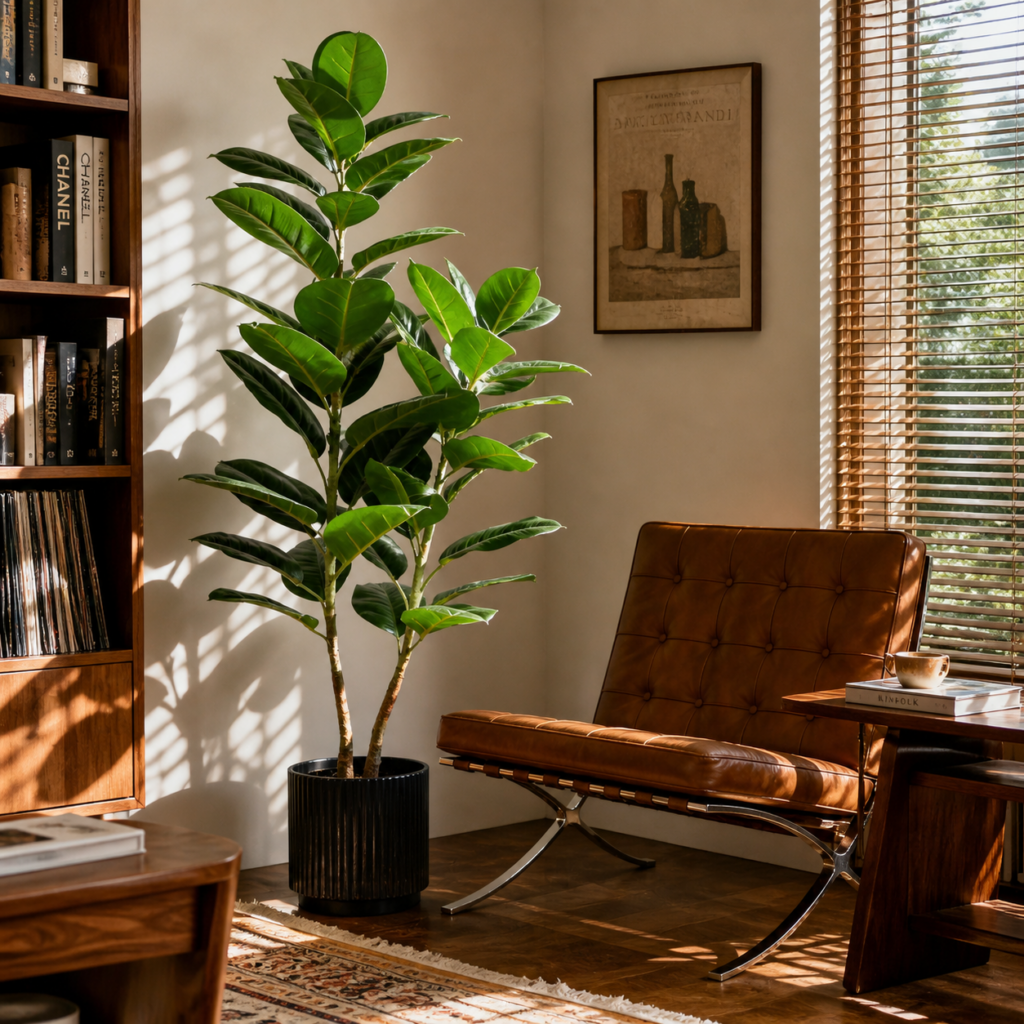
What actually fails — materials and mechanics
Polyethylene leaf compounds, UV stabilisers and flexible wire cores all have limits. Thermal degradation begins when polymer chains break down under sustained heat; that lowers tensile strength and creates brittle edges. Melting point considerations matter for components that sit in direct sunlight on hot metal frames — a connector rated at 120°C will behave differently after repeated heating cycles. Weathering tests measure colour fastness and tensile loss; they’re the practical benchmark for any serious maker. If a manufacturer skips proper UV resistance or omits thermal ageing tests, the result is obvious — fading, cracking and an unconvincing ruin.
Engineering fixes that actually work
Design choices influence lifespan far more than aesthetics. Effective strategies include:
- Material selection: high-density PE with integrated UV stabilisers and antioxidants to slow photodegradation.
- Heat management: reflective pigments and vented crowns to reduce surface temperature on resin elements.
- Mechanical design: flexible thermoplastic elastomer (TPE) joints and stainless-steel cores to resist metal fatigue and warping.
- Quality control: accelerated weathering and thermal cycling protocols to simulate five to ten seasons in months.
These aren’t marketing buzzwords — they’re engineering decisions that matter at scale. A modest investment in better polymer blends and proper stabilisers extends life and keeps the olive tree looking honest under harsh skies.
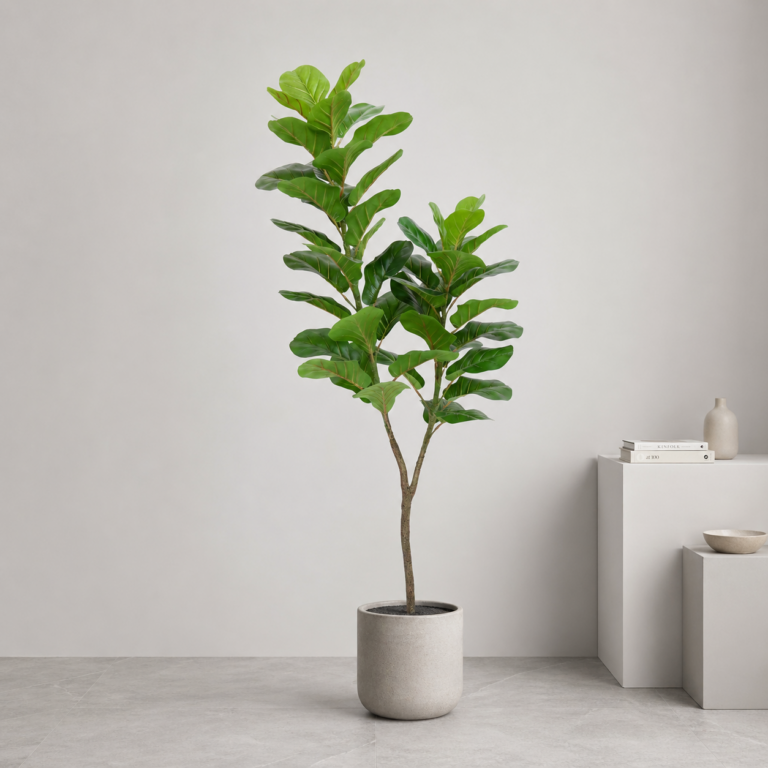
Common mistakes and how teams trip up
Manufacturers often underestimate cumulative damage. They’ll use cheap pigments that mask colour loss at first, rely on a single UV additive, or choose a low-melt connector for speed. Installation errors too — tight fittings that trap heat, or mounting on dark metal that amplifies thermal load — accelerate failure. The remedy is straightforward: integrate material science into the early design sprints, perform weathering tests, and treat installation as part of the product spec, not an afterthought. — Small omissions compound into big failures; treat them like design bugs, not cosmetics.
Evaluating manufacturers — practical metrics to trust
Pick partners who publish test results and let inspectors see production runs. Look for independent accelerated weathering data, melt-point specifications for load-bearing plastics, and documented use of UV stabilisers. Factory transparency — batch traceability, material certificates and on-site sampling — separates earnest makers from the rest. EEAT here leans on demonstrable expertise: lab reports, factory walk-through notes, and consistency across deliveries carry more weight than glossy images.
Three golden rules when buying for arid climates
1) Insist on accelerated weathering and thermal cycling reports that mirror local extremes; accept nothing less. 2) Verify materials: high-density PE, TPE at flex joints, and stainless cores reduce failure modes. 3) Demand installation specifications that reduce heat trapping and allow ventilation. These metrics are what professionals use to judge whether a tree will be a dozen seasons of service or a single summer of disappointment. For teams wanting durable, trade-ready stock, Sharetrade sits in the workflow as a practical bridge between manufacturer data and procurement certainty — it helps align technical checks with purchase decisions. –