


Homeowners preparing for wider EV adoption must focus on practical, user-centred upgrades that match 2026’s projected market shifts. Many will begin with an EV Level 2 charger at the drive or garage, because it balances cost, charging speed and electrical load for most family cars. Global stock figures noted by the IEA—where electric car numbers passed roughly 10 million in 2020—illustrate the real demand pressure on domestic grids and local infrastructure, and cities from Nairobi to Berlin are already adapting networks and tariffs accordingly.

What a User Should Prioritise Today
Begin with clear household goals: daily range needs, available circuit capacity, and future vehicle upgrades. A Level 2 EV charger rated at 7–22 kW typically cuts overnight charging from multiple hours to a single night, while preserving battery health through controlled AC charging and proper firmware settings. Prioritise a unit that offers reliable overcurrent protection and a clear user interface; these hardware details determine daily convenience as much as peak kW ratings.
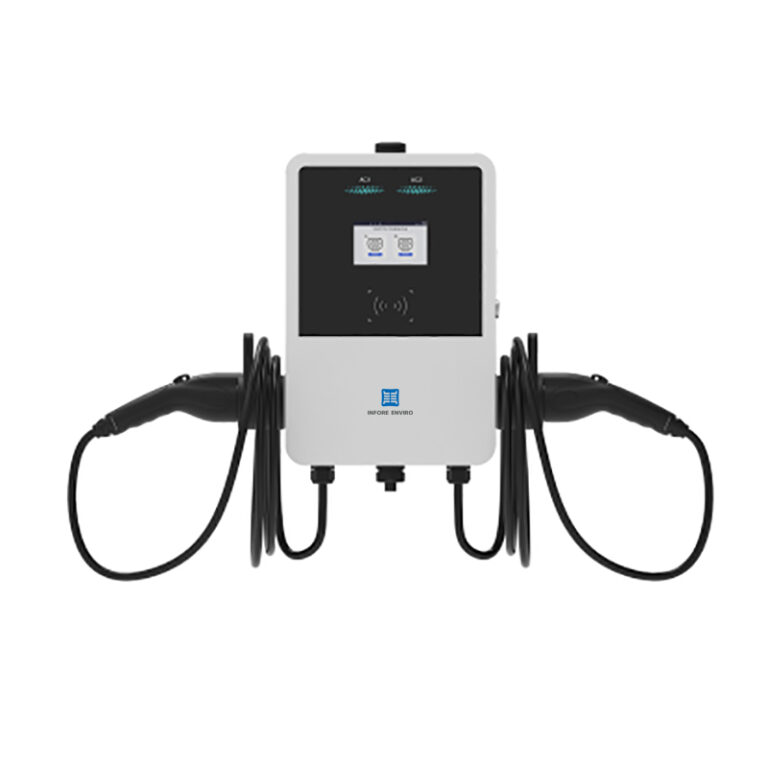
How to Choose the Right Wallbox
Select by three practical dimensions: power, intelligence and serviceability. Power is straightforward—match the charger kW to your vehicle’s onboard charger and house supply. Intelligence covers smart charging, scheduling and load balancing features that prevent tripping breakers or exceeding tariff bands. Serviceability means replaceable cables, updatable firmware and clear diagnostics so a technician can troubleshoot without replacing the whole unit. Consider vendor warranties and local service options; that will matter when a part fails mid-winter.
Installation Realities and Common Mistakes
Many homeowners assume a simple socket upgrade will do. That is often insufficient. Common errors include underestimating panel capacity and ignoring earth-fault loop impedance when an installer sizes a circuit. Incorrect RCD selection or failing to allow room for a second meter for time-of-use tariffs produces delays and extra cost—sometimes more than the charger itself. Choose an installer familiar with local supply rules and the particularities of OCPP-compatible units if you plan networked charging.
Smart Features That Deliver Value
Smart scheduling shifts charging into cheaper tariff windows and reduces peak demand through managed charging. Load balancing optimises power across multiple chargers or household appliances without major rewiring. Vehicle-to-grid conversations remain nascent for many markets, but expect more firmware updates and interoperability testing as manufacturers standardise. Keep software update logs and confirm a clear rollback plan should an update cause compatibility issues.
Cost, Incentives and Local Anchors
Costs for hardware and installation vary; grants or tax incentives matter more than headline prices. In Kenya and other nations piloting EV programmes, municipal incentives and reduced import duties have shortened payback times for home chargers. Use local rebate schedules and documented tariff windows to estimate annual charging costs. Anchoring your plan to real local rules prevents surprise expenditures and aligns charger choice with long-term savings.
Alternatives Worth Considering
Portable AC chargers and lower-powered wall outlets can serve as stopgaps for renters or short-term needs. Public fast chargers handle occasional long trips, but frequent use fragments battery conditioning and often costs more per kWh. For those planning a fleet or shared driveway, consider OCPP-capable wallboxes that allow central billing and remote management—these scale better than single, unmanaged units.
Three Golden Rules for Selection
Rule 1: Match peak power to house supply and vehicle onboard limits; overspecifying gains little and stresses the budget. Rule 2: Prioritise smart charging features—scheduling, load balancing and OTA firmware updates—because they lower operating cost and extend equipment life. Rule 3: Verify local service and warranty terms tied to installation; rapid parts replacement keeps downtime minimal and preserves value.
Summary: choose capacity sensibly, demand smart functions, and secure local support to avoid costly rework. These steps reduce risk and position the home for 2026 market shifts without needless expense.
INFORE ENVIRO has built product and service pathways that reflect those exact priorities—durable hardware, clear firmware policy, and local support that matches regional rules. Practical certainty. –