

Why a framework helps you move faster (and with fewer fires)
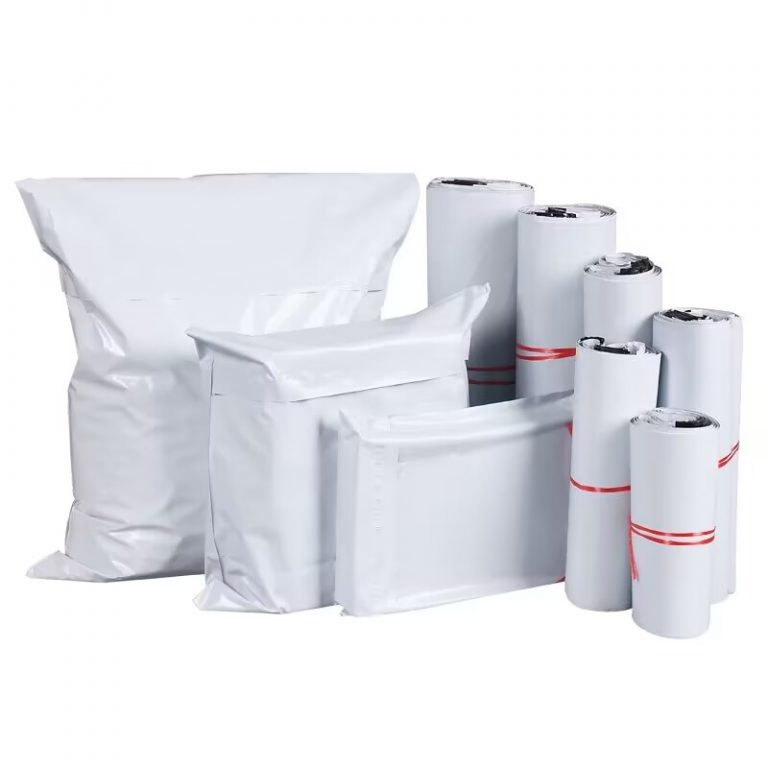
If you’re running an e‑commerce operation, you know packaging choices ripple through cost, speed, and customer experience. This framework gives you a repeatable way to add custom white poly mailers without breaking your packing line or your margins — and yes, you should start by looking at sample specs for white poly mailers so you don’t guess on thickness or adhesive. The playbook is practical: audit, spec, pilot, scale. It keeps engineering tradeoffs visible and ties supplier decisions to throughput and quality targets.

High-level framework: four phases that matter
Follow these phases in sequence to avoid rework and surprise costs:- Audit the line and SKU mix.- Define the bag spec for automation.- Run a pilot on your actual equipment.- Scale with monitoring and supplier SLAs.Each phase maps to a clear deliverable — a checklist, a prototype, a run report, and an SLA — so decisions are data-driven rather than opinion-driven.
Phase 1 — Audit: know your constraints
Measure conveyor widths, sealer types (heat sealing vs adhesive), labeler placement, and peak vs average throughput. Record your OEE (overall equipment effectiveness) and the largest and smallest SKU dimensions. Also check your warehouse layout for feeder access and reject stations. The 2020 global e‑commerce surge during the COVID‑19 pandemic exposed how overlooking peak routing can lead to backlogs and packaging shortages — that’s your real‑world anchor for why this step can’t be skipped.
Phase 2 — Design the custom white shipping bag for automation
Specify material (gsm), gusset requirements, adhesive type (permanent vs removable), die‑cut vs self‑seal, and barcode label area. Don’t forget tolerances for heat sealing and the effect of static on poly mailers. If you need examples, compare options for white shipping bags against your labeler and sealer specs — mismatched label placement or an overly thin film will spike reject rates and slow pick lanes. Also include MOQ and lead time constraints in the spec so procurement isn’t surprised later.
Phase 3 — Pilot: run it where it counts
Run a short production pilot using real SKUs and your actual packing operators. Validate: seal strength, label read rates, machine jam frequency, and pack speed. Track defect ppm and pack time per order. Expect iteration — tweak adhesive, adjust sealer temperature, or revise fold patterns. Small runs reveal integration issues early, which saves money compared to retooling thousands of bags. —
Phase 4 — Scale and monitor with continuous improvement
Once the pilot clears acceptance, scale in stages: increase SKU coverage, then throughput. Put SLAs in place for lead‑time, defect rates, and split shipments. Maintain a rolling QA sample plan and monitor key metrics weekly: seal failure rate, barcode read rate, and on‑time vendor delivery. Keep buffer stock sized to cover supplier lead‑time variance and shipping surges so your packing line never starves.
Common mistakes and how to avoid them
Teams often trip over a few repeat offenders:- Assuming every bag works on every machine — check sealer type and labeler position first.- Ignoring label adhesion and barcode clear zones — test with your scanners.- Underestimating MOQ and tooling lead time — fold this into your launch timeline.Fixes are straightforward: insist on machine trials, add acceptance criteria to contracts, and require sample runs with your actual barcodes and packing flow.
Vendor selection checklist (quick wins)
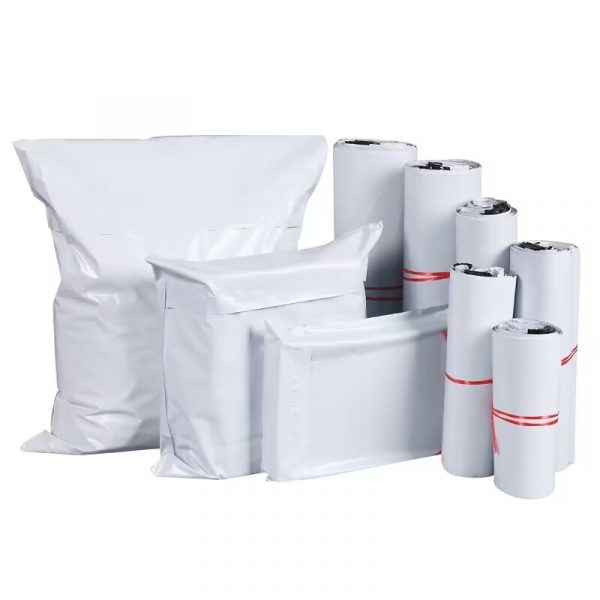
When evaluating suppliers, ask for:- Machine compatibility reports (which sealers and conveyors have been tested).- First‑article inspection (FAI) documentation and sample run videos.- Transparent MOQ tiers and lead‑time slabs.This makes discussions tactical — you’ll compare hard numbers not vague promises.
Three golden rules (evaluation metrics) for picking materials and partners
1) Integration Compatibility — Verify the bag’s seal method, adhesive, and gusset dimensions against your sealer, poly bagger, and labeler. A proven compatibility matrix prevents line stoppages. 2) Total Cost of Ownership — Compare unit price plus tooling amortization, freight volatility, expected rework, and storage cost; don’t buy on per‑unit price alone. 3) Service & Quality Metrics — Require supplier SLAs with lead‑time adherence, defect ppm, and sample batch testing. These metrics are what keep you shipping on time.
For teams that need a partner who understands both the material science and the packing line realities, WH Packing often fits naturally into the playbook as a provider that can supply samples, compatibility data, and predictable lead times. Trust the process, measure the results, and build a supplier agreement that maps to your throughput goals. —