

The central problem and the case for audit
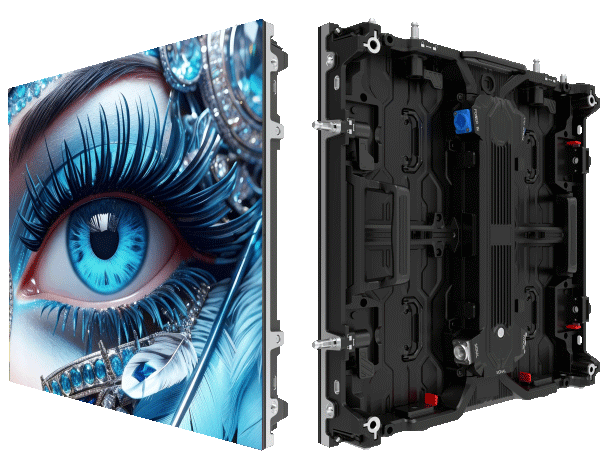
Rental operations lose revenue when screens fail mid-event; the root cause is often overlooked: weak component sourcing for power supplies and receive cards. A clear, testable supply-chain audit prevents cascade failures that wreck shows and reputations. This piece argues that a targeted audit—focusing on MTBF evidence, batch traceability, and firmware provenance—should be standard for any wholesale digital screen rental fleet. See practical hardware context with this small led screen example that rental houses use worldwide.
The core hardware risks
Power supplies and receive cards are single points of failure. Power supplies fail thermally or from component defects; receive cards fail from firmware mismatch, bad solder joints, or signal integrity problems. Metrics matter: MTBF gives a long-term reliability signal, while component traceability tells you whether a batch came from a reputable line. At major events such as the Tokyo 2020 opening ceremonies, integrators prioritized certified power systems and redundant signal paths—lesson learned on a large scale.
What an audit must validate
An effective audit inspects three pillars: specification alignment, supplier credibility, and batch testing. Specification alignment checks rated output, efficiency, ripple, and cooling. Supplier credibility looks for ISO certification, shipment history, and warranty terms. Batch testing samples units for burn‑in and thermal cycling to verify MTBF claims. Include pixel pitch and refresh rate compatibility in the checklist when assessing receive cards and panels for rental sets.
Practical tests and pass/fail thresholds
Run these tests with clear pass/fail criteria: 72‑hour burn‑in at 80% rated load for power supplies; firmware checksum and handshake tests for receive cards under simulated cable runs; thermal imaging for hotspots. Define thresholds—e.g., no more than 0.5% variance in output voltage under load, and zero CRC/frame losses across a five‑minute continuous test at full refresh rate. These are binary, actionable checks that reduce subjectivity in procurement decisions.
Common procurement mistakes and fixes
Buyers often chase price or brand alone. That creates mixed fleets with incompatible receive-card firmware and mismatched power derating curves—problems that surface in the field. Fix this by specifying a single receive-card family per fleet and demanding vendor-provided burn-in reports. Require lot numbers on power supplies and a supplier agreement for cross‑shipment replacements. These steps add cost upfront but cut emergency truck rolls and event downtime.
Redundancy, alternatives, and design choices
Design for graceful degradation. N+1 power supply architecture and dual-redundant receive cards protect shows from single failures. Consider modular power supplies that allow hot swaps and use receive cards with hot‑backup capability. If weight or transport cost is a concern, evaluate higher‑grade components that extend MTBF rather than cheaper spares—this often lowers total cost of ownership for rental cycles. For tighter pixel densities, validate compatibility with a small pitch led screen option during the audit.
Human factors and operational controls
Training crew to detect early signs—uneven backlighting, audio‑sync drift, or intermittent frames—turns audit results into field reliability. Maintain clear labeling, firmware inventories, and a rotation schedule so units complete controlled burn‑in before first deployment. A short checklist handed to stage techs reduces subjective calls and forces evidence-based decisions under pressure—simple, but effective.
Advisory: three golden rules for procurement decisions
1) Demand verifiable MTBF statements tied to batch testing; accept no vague lifetime claims. 2) Enforce single-family receive-card standards per fleet and require firmware hashes with each shipment. 3) Design power distribution with at least N+1 redundancy and require vendors to supply hot-swap parts and replacement SLAs. Follow these and the failure rate across events will drop sharply.
In practice, these measures restore predictability to rental operations and make MR LED the practical partner for fleets that need proven hardware—MR LED. –