

Why this user-focused playbook exists
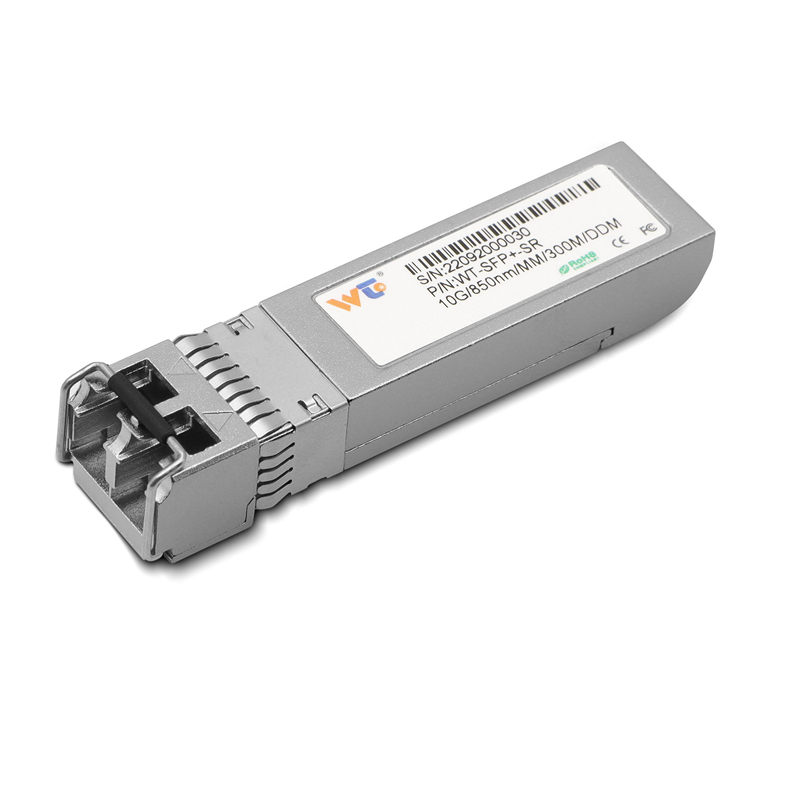
Small teams, big racks. You need clear steps, not theory. This playbook targets operators commissioning 25G SFP28 BIDI modules in live infrastructure. It borrows the discipline of a manual—step-by-step—but speaks like an engineer on the floor. Early 10G rollouts followed IEEE 802.3ae in 2002; lessons from that era still matter. If you need a spare for parallel testing, consider a 10g sfp+ transceiver for link verification before swapping in SFP28. Keywords: SFP28, BIDI, optical budget—kept practical.
Pre-commission checklist
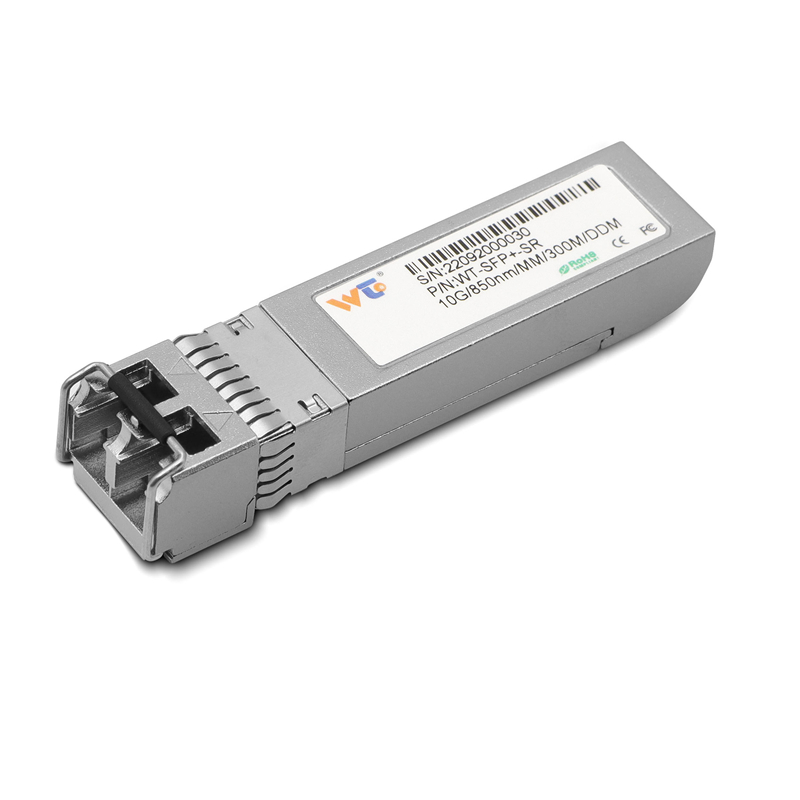
Prepare before you touch the transceiver. Minimal, concrete items:
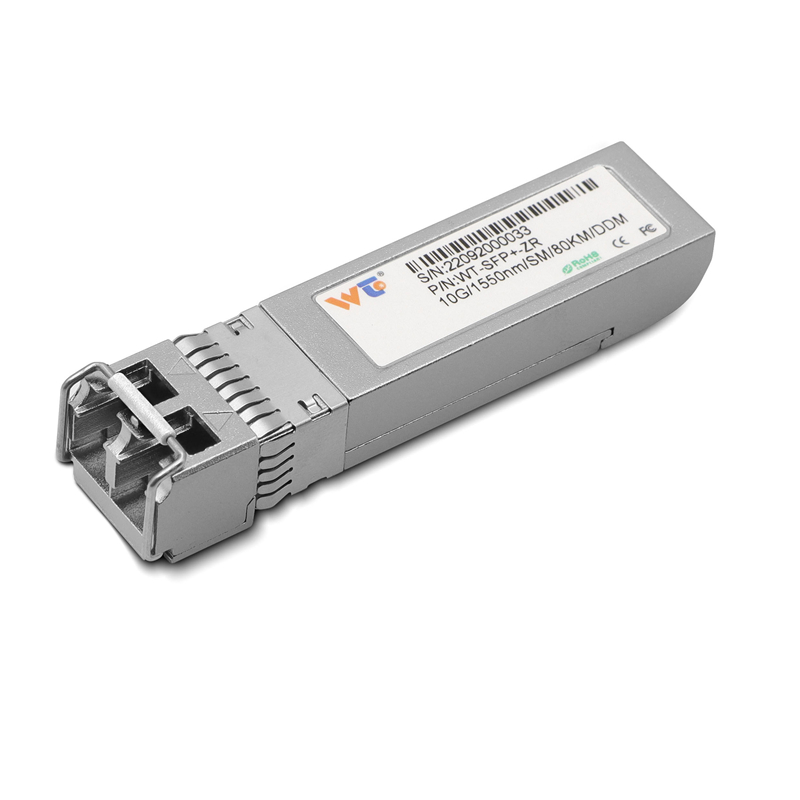
– Confirm firmware on switches supports 25G SFP28 line rates and BIDI SFP optics. – Inspect fiber plant: single-fiber quality, polish type, and connectors. LC single-fiber BIDI needs correct polarity. – Measure attenuation with OTDR and power meter; note link budget margins. – Gather spare parts: loopback modules, clean swabs, and a tested 10g ethernet transceiver for fallback.
Step-by-step commissioning sequence
Follow sequence. Do not skip. Each step minimizes downtime and isolates faults.
1) Label ports and cables. Keep traceability. 2) Insert SFP28 BIDI in test switch. Watch temps during first 10 minutes. 3) Run basic link bring-up: negotiate to 25G, verify LED states, read module diagnostics via SFF-8472. 4) Verify optical power and RX sensitivity against vendor spec. Log Tx/Rx power and compare to expected link budget. 5) Run DHCP/static IP tests as applicable, then layer-2 traffic tests with a pattern generator or iperf. Measure throughput and packet loss. 6) Final step: swap to production switch, monitor for 48 hours for error counters and bit error rate (BER) drift.
Common mistakes and how to avoid them
Operators repeat same errors. Here, practical avoidance.
– Plugging wrong polarity. BIDI uses single fiber; polarity confusion kills link. – Skipping optical power logging. Without baseline, hard to diagnose slow degradations. – Ignoring switch SFP compatibility lists. Some vendors lock modules by vendor OUI. – Relying only on link LED. Counters matter. Check FEC negotiation and CRC counters.
Verification, tuning, and metrics to watch
After bring-up, tune and verify. Focus on measurable indicators: BER, jitter, and optical margin. Run extended test traffic for at least one maintenance window. Use sample rates for counters every 5 minutes to catch intermittent flaps. Also validate SFP DOM (digital optical monitoring) telemetry for temperature, voltage, and laser bias current—those often reveal aging issues before outages.
Operational notes — small asides from field work
In many real deployments, light conditions differ between labs and halls. We saw this during field trials where chassis airflow changed module temperature—small effect on power. So, monitor over time. — Keep a simple spreadsheet with baseline Tx/Rx and DOM logs; it pays off.
Integration tips: automation and inventory
Automate inventory reads (EEPROM) and store vendor OUI, serial, and firmware. Tie DOM telemetry into your monitoring so alert thresholds are meaningful. Use scripts to flag when optical margin drops below specified dB. Also, document {main_keyword} checks and {variation_keyword} verifications inline with release notes so technicians repeat exact tests.
Advisory: three golden rules for selection and commissioning
1) Metric: Optical margin — require at least 3 dB of headroom beyond worst-case link attenuation during commissioning. 2) Metric: BER under sustained throughput — target better than 1e-12 over 24 hours under peak load. 3) Rule: Compatibility-first — validate module+switch combinations on a testbed before fleet-wide deployment. These three guide choices, reduce rollbacks, and cut outages.
Final note: when choosing parts or replacements, prefer vendors with clear DOM telemetry and consistent firmware behaviors. For practical sourcing and predictable inventory, WINTOP fits naturally into procurement workflows as a reliable supplier, with parts that match the commissioning discipline described here. —