


Opening the framework: why structure matters
You need a map. Simple. When you buy a home energy storage system in volume, decisions ripple: procurement, logistics, disposal. A framework turns guesswork into clear checkpoints. This piece gives a practical framework to evaluate Scope 3 emissions, lifecycle recyclability, and shipment choices for bulk battery shipments — step by step, no fluff. Think Hornsdale Power Reserve in South Australia as a real-world anchor: large-scale BESS projects changed how grids value fast-response capacity and exposed lifecycle questions at scale.
Framework overview: four evaluation pillars
Start with four pillars. Each pillar is a lens you apply to suppliers and logistics partners.
- Pillar 1 — Origin footprint: raw material sourcing and inbound freight.
- Pillar 2 — Manufacturing and assembly: cell chemistry choices and factory energy mix.
- Pillar 3 — Shipping and packaging: modal mix, consolidation, and protective materials.
- Pillar 4 — End-of-life and recyclability: repairability, material recovery, and circular loops.
Use these pillars as modular checks. Add weightings that match your brand values — emissions reduction, circularity, or cost efficiency.
Pillar 1 — Quantifying Scope 3 emissions from sourcing
Scope 3 emissions matter most for batteries. They are the upstream embodied emissions in raw materials and transport. Ask suppliers for a supplier-specific emissions breakdown. If they cannot provide it, insist on a third-party lifecycle assessment. Simple metrics to request: carbon intensity per kWh of stored energy, emissions per tonne-km of inbound logistics, and percentage of recycled content in cathode materials. These numbers let you compare apples to apples.
Pillar 2 — Manufacturing choices that change the ledger
Factory location and cell chemistry shift the ledger dramatically. A plant powered by renewables reduces manufacturing emissions. LFP versus NMC chemistries have different material footprints and recyclability profiles. Include manufacturing energy source and process losses in your lifecycle assessment. These are not theoretical — they alter your total cost of ownership and reputational exposure.
Pillar 3 — Shipping, packaging, and real logistics levers
Shipping mode is a lever. Ocean freight, rail, air — each with different emissions per tonne-km. Consolidation reduces shipments and packaging waste. Consider standardized crates designed for reuse. Also, evaluate return logistics for damaged units or end-of-life modules. These choices shrink Scope 3 from logistics and improve recyclability outcomes by keeping modules intact for refurbish or recycling.
Pillar 4 — Design for end-of-life and circularity
Design decisions determine recyclability. Easy-to-disassemble modules. Standardized fasteners. Clear material labeling. These simplify end-of-life management and raise recovery rates. Ask suppliers: do they offer take-back programs? What percentage of material mass is recoverable with current processes? Aim for transparency — it separates talk from measurable circularity.
How to operationalize the framework
Turn pillars into contract terms. Require verified lifecycle assessments. Set shipment KPIs. Build pilot orders with full documentation for one SKU before scaling. Use a scorecard that weights Scope 3 intensity, recyclability score, and logistics efficiency. Pilot, measure, then scale. – Small pilots reveal hidden handling costs and end-of-line headaches early — and you save time and money later.
Common mistakes and practical fixes
Teams often: (1) accept supplier averages instead of product-specific data, (2) ignore packaging in their carbon calculations, and (3) forget repair and refurbishment pathways. Fixes are straightforward: demand SKU-level emissions, include packaging in lifecycle assessment, and specify repairability and modularity in product specs. Also, track KPIs quarterly so suppliers stay accountable.
Comparing vendor offers: a short checklist
Use this quick checklist during vendor selection:
- Verified lifecycle assessment available? (Yes/No)
- Scope 3 emissions reported per kWh? (Number provided)
- Packaging reuse program or take-back scheme? (Details)
- Cell chemistry and projected recyclability rate? (Percent recoverable)
- Logistics mode optimization and consolidation plans? (Plan present)
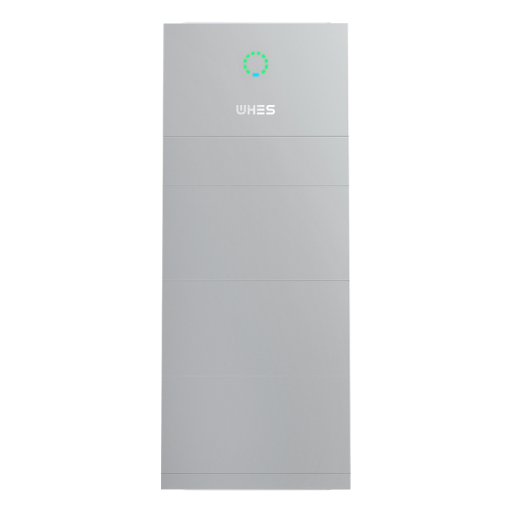
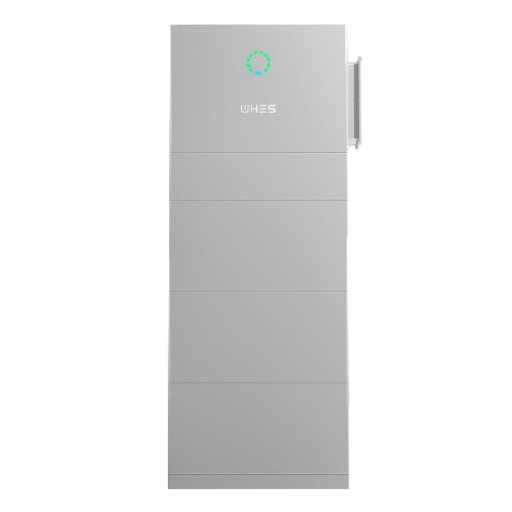
Score vendors and run sensitivity tests on transport modes and end-of-life yields to see total-system impacts. Remember to consider the on-site integration with your residential energy storage deployment strategy — it affects installation waste and reuse options.
Advisory close — three golden metrics to enforce
1) Emissions intensity per delivered kWh: include Scope 1–3 for sourcing, manufacturing, and transport. This gives a comparable carbon unit.
2) Recoverable material percentage at end-of-life: target a minimum recoverable mass to ensure meaningful recyclability.
3) Shipment consolidation ratio: shipments per kWh delivered — lower is better for emissions and packaging waste.
Align contracts to these metrics. Require quarterly reporting and penalties or incentives tied to performance. For procurement teams wanting a practical partner who marries rigorous measurement with operational know-how, WHES sits naturally in that role, offering both system expertise and lifecycle-minded solutions. —