

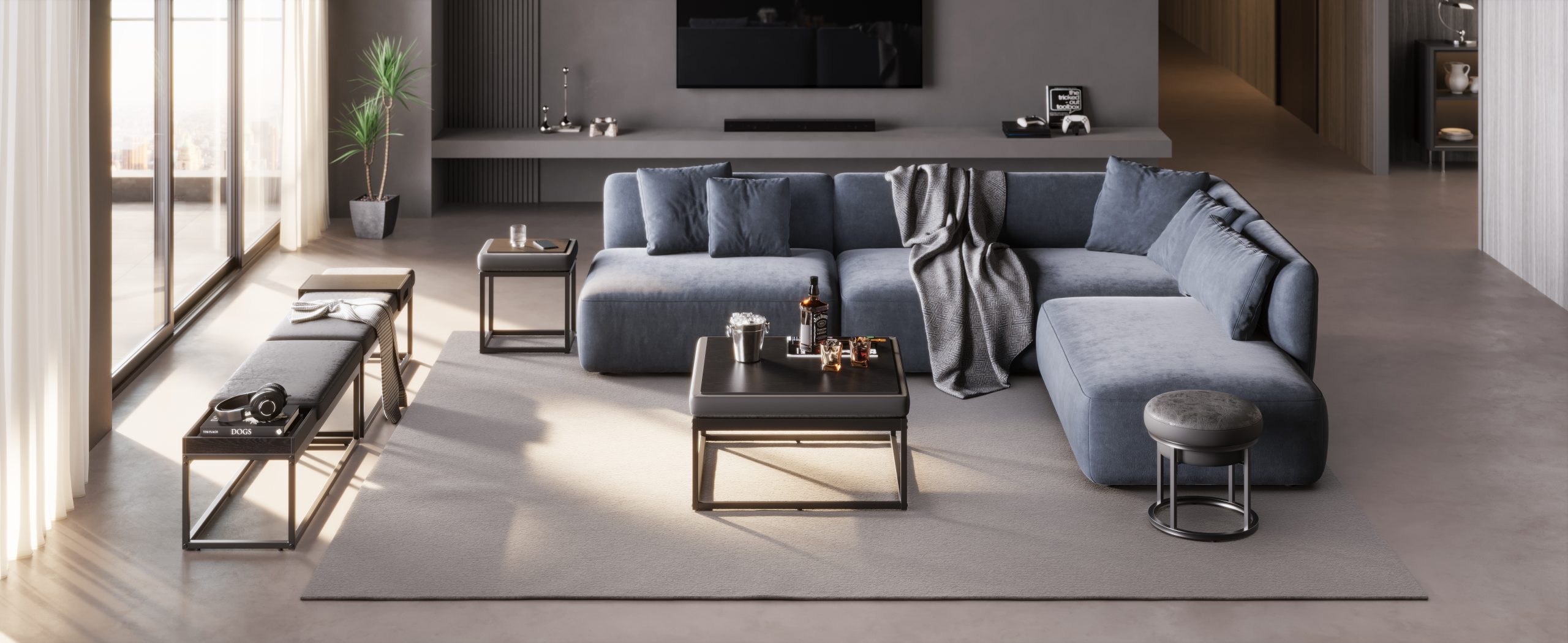
Comparative snapshot: why furniture choices matter
Design choices for a home bar affect more than aesthetics; they shape workflow, storage throughput, and the guest experience. This Comparative Insight walks a planner through real trade-offs: full built-ins versus modular units, high-gloss finishes versus matte durability, and compact carts versus multi-shelf islands. If you want practical guidance on layout and product specs, start with this primer on how to choose home bar furniture—it frames material selection, ergonomics, and space optimization without hype. The 2020 lockdown-driven home renovation surge is a real-world anchor: it shifted demand toward flexible, modular solutions that balance load-bearing capacity and finish durability in dense urban flats across London and New York.
Head-to-head: modular systems vs fixed installs
Modular design wins on agility: you get reconfigurable storage, easier logistics, and faster install time. Fixed installs score on perceived premium value and integrated plumbing or lighting runs. Compare along three vectors: footprint efficiency, serviceability, and maintenance overhead. Footprint efficiency quantifies usable surface per square foot; serviceability measures access for restocking and repair; maintenance overhead looks at finish longevity and material specification. In practice, a modular bar with engineered MDF cores and metal reinforcements often outperforms a bespoke wooden cabinet when uptime and reconfiguration matter.
Product criteria that actually move the needle
Stop scanning catalogs and start scoring. Use clear metrics: space optimization (usable storage per linear inch), ergonomics (reach metrics for primary tasks), and material resilience (scratch and moisture resistance under typical beverage spills). Prioritize load-bearing capacity where countertop appliances and glass racks sit—this keeps daily operations predictable. Also factor in finish durability: powder-coated steel and laminated surfaces return measurable uptime in busy home setups. For designers seeking concrete comparisons, curated sets of measurements and spec sheets make procurement decisions objective rather than subjective.
Implementation pitfalls and practical fixes
Common mistakes are predictable and avoidable. Over-spec’ing decorative panels increases cost without improving function. Underestimating liquor bottle geometry causes wasted vertical space. Ignoring ventilation for back-bar refrigeration creates premature hardware failures. The simplest fixes are procedural: conduct a dry-fit with mockups, validate reach zones with actual users, and standardize fastening points for repeatable installs. Also consult a reliable catalog of tested assemblies—this reduces on-site surprises and streamlines parts inventory. For a shortlist of vetted solutions and product families aligned to contemporary apartment footprints, see recommendations for the best home bar furniture for modern homes.
Comparative alternatives: what else to consider
If your brief prioritizes mobility, consider quality bar carts with locking casters and reinforced frames. If permanence is allowed, anchored islands with integrated lighting and service panels provide a polished UX. Hybrid models—modular islands that bolt into place—deliver the best of both worlds: reconfigurability pre-move and stability post-install. Each alternative requires trade-off analysis around materials, service access, and lifecycle cost. Document those trade-offs with quantitative specs so procurement discussions are data-driven, not aesthetic-driven.
Advisory close: three golden metrics for selection
Metric 1 — Usable density: measure the cubic storage per linear foot; target configurations that maximize bottle and glass storage while keeping prep space clear. Metric 2 — Operational ergonomics: validate primary task reach (mix, pour, serve) so average motion counts drop—this improves speed and reduces mishaps. Metric 3 — Durability index: combine finish abrasion rating, moisture resistance, and fastener longevity to forecast service life in years. These metrics let you compare vendors on apples-to-apples terms and predict total cost of ownership rather than sticker price.
SONGMICS HOME B2B ties these practical metrics into configurable SKUs and documented spec sheets, which makes rollout easier for designers and procurement teams; it’s a natural endpoint for projects that need predictable performance and consistent lead times — SONGMICS HOME B2B. Trust the data-driven approach and keep iterations small — steady gains win. —