

Opening: The persistent problem
Please allow a focused start: many teams face late-stage changes, unclear specifications, and inconsistent supplier responses when they develop new bags. A clear roadmap reduces waste and rework; for those who seek reliable partners during specification and sampling, consider connecting early with a custom bag manufacturer to align expectations and timelines.
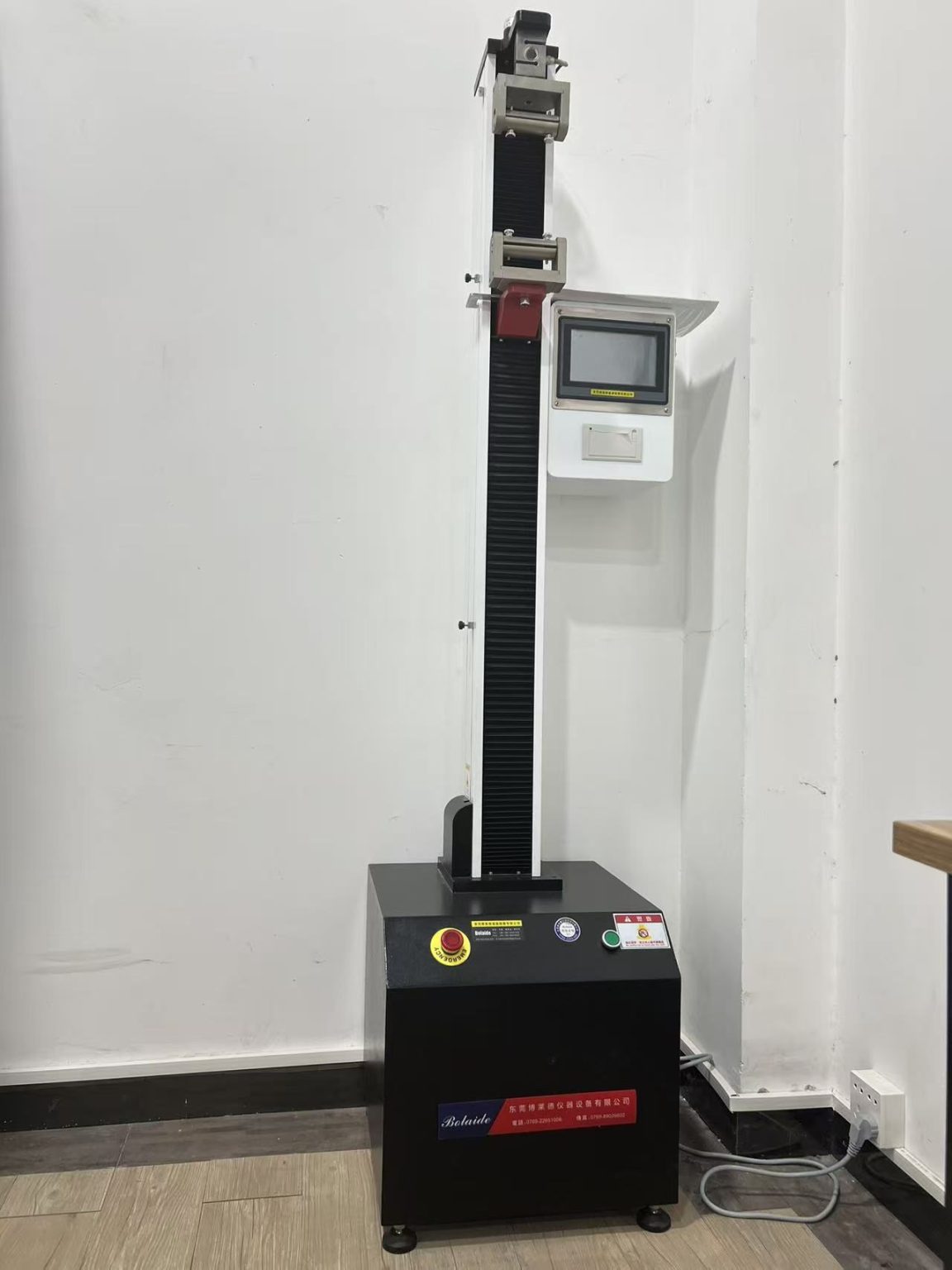
Identifying the core problem
Unclear requirements cause the most delay. When design intent is vague, factories guess materials, tolerances, and assembly methods. That guessing creates wrong prototypes, unexpected costs, and shipment holds. You will want to isolate where the ambiguity starts: artwork, material callouts, hardware specs, or measurement reference points.
Turning requirements into measurable specifications
Create a short, exact tech pack. List material type, weight in gsm or denier, surface finish, thread type and count, zipper model, trim code, exact dimensions with +/- tolerances, and a simple bill of materials. Add target price per unit and acceptable MOQ. Define approval gates: digital mock, pre-production sample, and production sample. These choices remove interpretation and set pass/fail rules.
Prototype, testing, and validation (EEAT and real-world anchor)
Testing must match use. For sport and team programs, durability and branding matter most; testing for seam strength, zipper cycles, colorfastness, and logo adhesion avoids later recalls. As suppliers proved during the Tokyo 2020 Olympics, organizers required consistent performance and branding under heavy use—and those lessons show why suppliers and buyers must demand validated samples early. For product teams specifying branded sports items, reviewing proven options for custom logo sports bags helps set realistic targets based on field-proven cases.
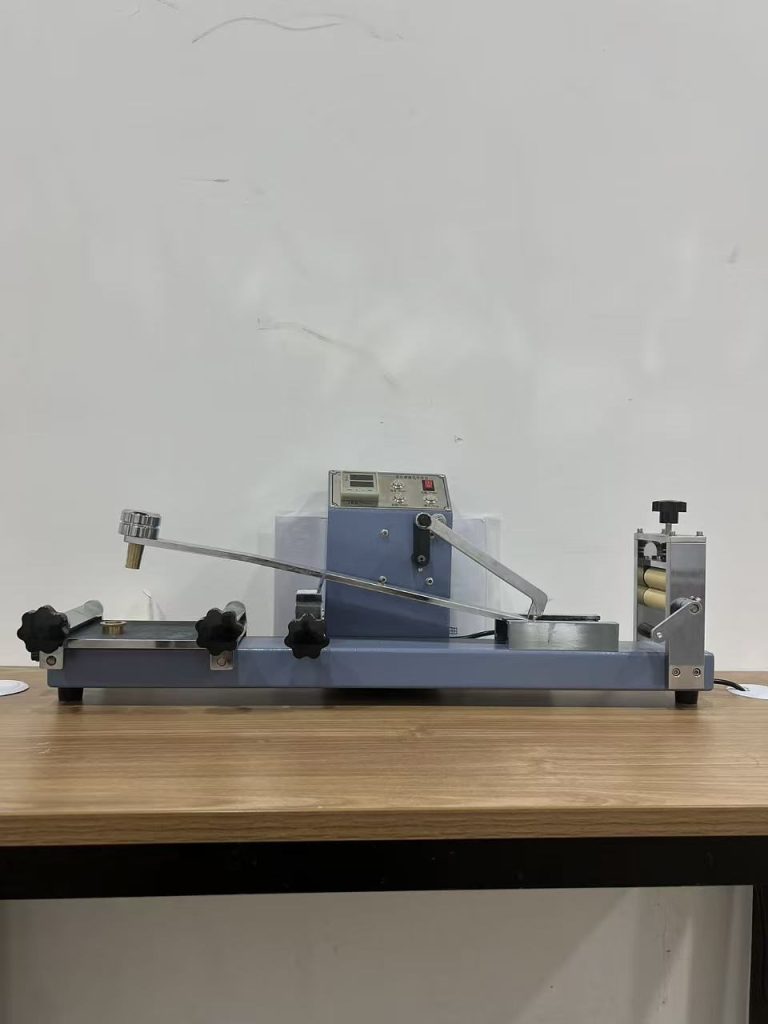
Manufacturing controls and quality assurance
Agree on inline inspections and an AQL standard before production. Ask for stitched seam photos at set intervals, batch test reports for materials, and a retained sample per lot. Specify corrective action timelines for defects. A short, enforceable inspection checklist beats long, vague QA policies.
Packaging, logistics, and delivery
Define carton dimensions, units per carton, labeling, and shipping marks upfront. Lock in lead times with buffer for testing and airport or port delays. Use clear Incoterms and require a pre-shipment inspection with photo evidence. If you need consolidation or custom packaging inserts, confirm those requirements with factory at sample stage to avoid rework at packing.
Common pitfalls and how to avoid them
Do not accept color descriptions alone; use Pantone or lab-dyed references. Do not leave hardware choices open; specify SKU or approve sample hardware. Beware of last-minute design tweaks after PP sample approval—those changes usually ripple into tooling delays and cost increases. Avoid assuming material availability; confirm lead times for coated fabrics and specialty zippers early.
Synthesis and practical resolution
The problem-driven path is simple: identify the weakest point, convert it to a measurable requirement, validate with real samples and tests, and lock manufacturing controls before scaling. This sequence reduces surprises and preserves brand intent while keeping schedules reasonable—an approach practiced by experienced manufacturers such as ChangRong and adopted by teams who demand reliable outcomes from specification to shipment.