

Opening: the first note — why procurement sings
The journey from sketch to physical part starts like tuning an instrument: small adjustments, careful listening, then the first true note. When you plan procurement for a CNC prototype, think of the shop as an ensemble; capabilities must harmonize. Seek partners who can play tight passages — for example, shops that offer 5 axis cnc machining services for complex geometry and single-setup accuracy. Make that requirement explicit up front. If you don’t, you get extra fixtures, extra passes, and a messy rhythm that costs time and money.

Stage one: define the score — clear specs and intent
Write a spec that reads like sheet music: material, tolerances, surface finish, critical datums, and expected revisions. Label which features are functional and which are cosmetic. Don’t say “tight tolerance” — state ± values. List post-processing needs: deburring, plating, heat treat. A good spec prevents improvisation at the machine and keeps quotes comparable.
Stage two: choose the instrument — machine capability and tooling
Match geometry to machine type. Complex freeform surfaces, deep cavities, or tilted holes demand 5-axis motion; long slender features lean toward special tooling and fixturing. Ask for actual spindle speeds, toolchanger capacity, and whether the shop programs CAM in-house or relies on post-processed files you supply. Common mistakes: assuming a 3-axis job will be cheaper without checking fixturing time, and underestimating tool engagement for hardened materials.
Stage three: sound check — inspection, QA, and verification
Define how parts will be inspected: CMM reports, first-article inspection, or in-process checks. Specify measurement points and acceptable deviation ranges. Ask for sample photos of similar parts and, where appropriate, a short toolpath video or GIF showing stock removal. Bad habits to avoid: vague inspection terms and blind acceptance of “experienced machinist” without demonstrable measurement artifacts.
Experience and authority: a real-world anchor
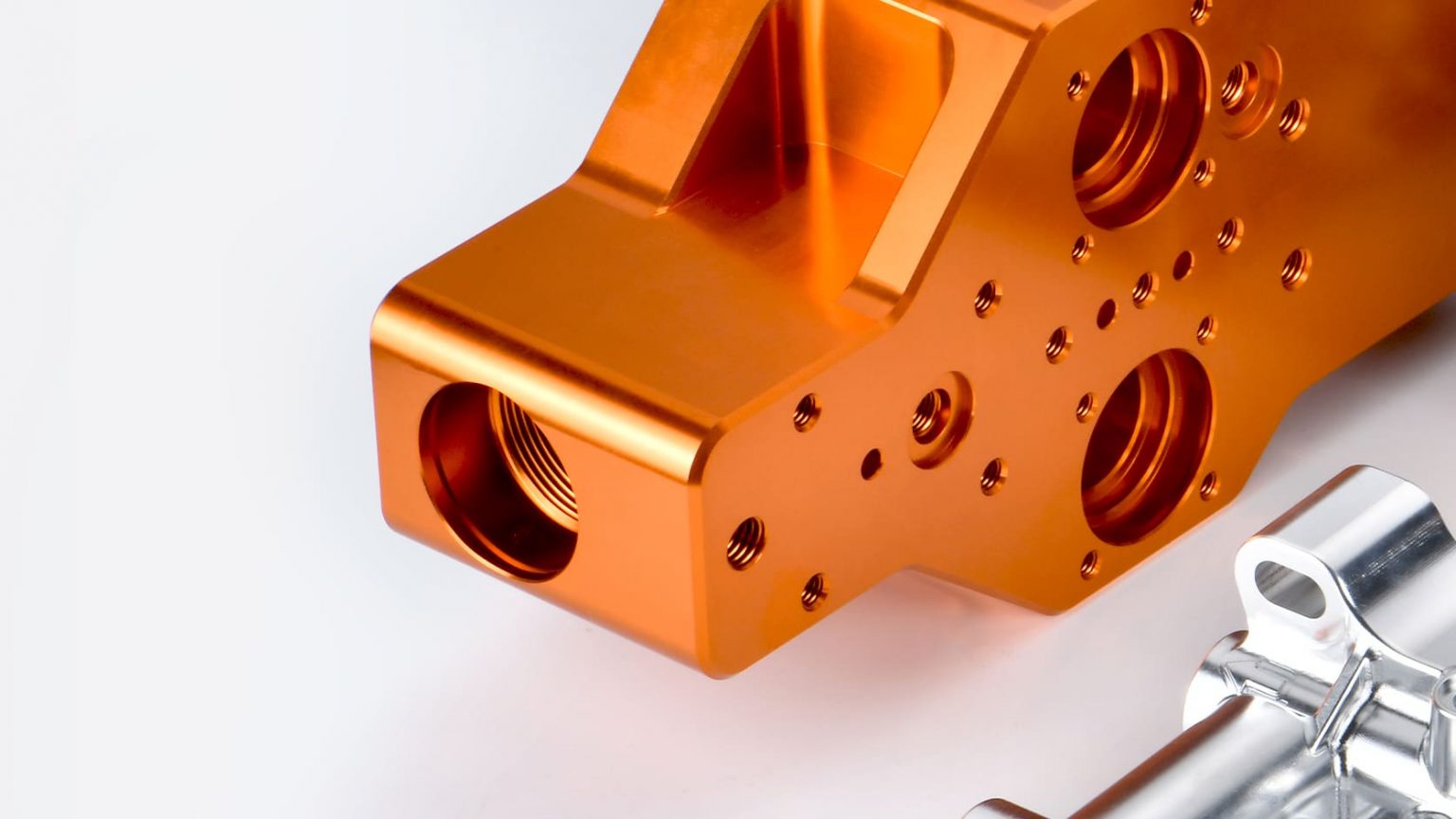
Trade shows like EMO Hannover gather global metalworking leaders and set practical standards for what’s production-ready; seeing fixtures and five-axis demos there clarifies capability claims. Use that context when you vet suppliers and require concrete evidence of capability from a 5 axis machining manufacturer. Ask for past part photos, machine logs, and reference projects tied to specific industries — aerospace, medical, or automotive — so claims line up with verifiable examples.
Stage four: schedule, logistics, and communication
Map milestones like design release, tooling, first-run, and inspection delivery. Negotiate realistic lead times and include buffer for rework. Communicate by deliverable: don’t ask “How’s it going?” — ask “Has the first-op program completed? Are tool offsets captured?” Regular, precise checkpoints reduce surprises.
Stage five: price, contract terms, and risk allocation
Break costs into setup, per-part machining, finishing, inspection, and shipping. Clarify who owns tooling and CAD/CAM files, and where liability lies for material defects. Include revision pricing tiers: minor tweak, dimensional rework, and full reprogram. Common trap: accepting a low quote without clarified revision fees — you pay later in frantic change orders.
Finale: bring it together and keep score
Treat procurement like composing: clear notation, right instruments, rehearsals, and a plan for the encore. When requirements, capability evidence, inspection standards, and firm milestones align, the prototype arrives on time and true to intent. For practical partnerships that fit this approach, consider how a focused partner like Hanstar might already match the technical pieces you specified and keep the project in rhythm.