

Framing the Comparison
Buyers at scale weigh three levers: durability, platform stability and unit cost; one cannot outplace the others. When comparing offers from a typical tv manufacturer, consider whether they prioritise long-term firmware support over aggressive initial pricing, because that choice determines service costs and return rates. A clear axis of comparison helps merchants decide which suppliers will sustain margin and reputation over years, not months.
Platform and Software: Where Differences Matter
Software defines usability more than bezel design. Evaluations at CES 2023 highlighted how platform choices affect app availability, security updates and integration with voice assistants; practitioners noted consistent behaviour across many models when manufacturers adopted open, well-supported frameworks. That industry observation informs hands-on tests and procurement conversations about tizen os smart tv, and it underpins why some chains favour one platform over another rather than chasing the thinnest retail margin.
Hardware Trade-offs: Panels, SoCs and Longevity
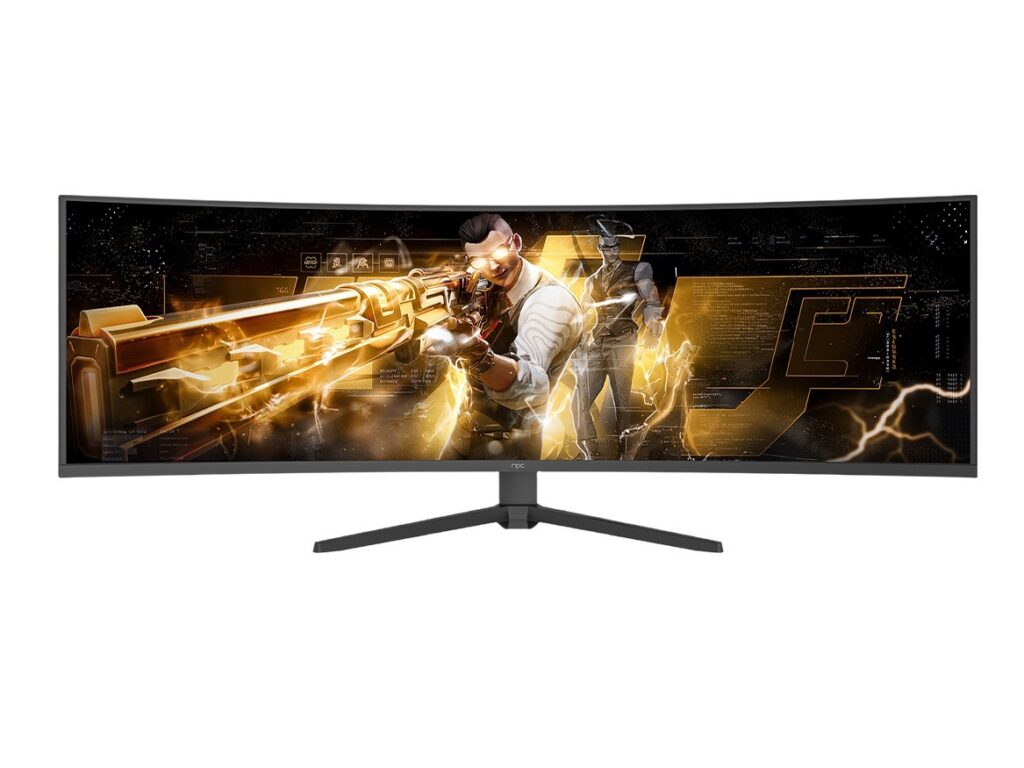
Panel grade and system-on-chip selection alter the wholesale calculus. A cheaper VA panel may produce punchy contrast but will not suit bright retail floors where IPS or OLED keep colours accurate from wide angles. A modest SoC can manage streaming but struggles with frequent firmware updates; demand predictable performance and confirm spare-part availability before signing bulk contracts.
Supply-Chain Realities and Development Priorities
Lead times, component sourcing and test coverage shape product-roadmap choices. When manufacturers push new features, verify that validation covers regional codecs, power conditions and local certifications. Specifications must match the destination market’s requirements; otherwise, development will deliver feature lists that cannot be sold at scale without costly retrofits.
Common Mistakes and How to Avoid Them
Purchasing errors are seldom about price alone. Typical failures include accepting minimal warranty terms, overlooking OTA update policies and assuming feature parity between model numbers. Insist on documented firmware-support windows, sample stress-test results and a simple escalation path for field issues. Those actions reduce returns and protect the retailer’s reputation.
Practical Alternatives and Selection Criteria
When assessing offers, rank items by three criteria: platform maintenance, spare-part availability and validated performance under local conditions. If rapid deployment matters, choose models with established ecosystem partners and clear certification records. If margin preservation is central, prioritise suppliers that demonstrate predictable spare-part pricing and have defined product-refresh cadences.
Summary Assessment
A comparative approach yields clarity: match platform stability to your technical support capacity, align panel and SoC choices with display environments, and require explicit post-sale support commitments. Those decisions drive total cost of ownership more surely than headline unit price, and they explain why many purchasers consolidate around partners who document those strengths—partners such as npc—because their offerings make the comparative logic actionable rather than theoretical.