

The problem-driven case for silence in aeration systems
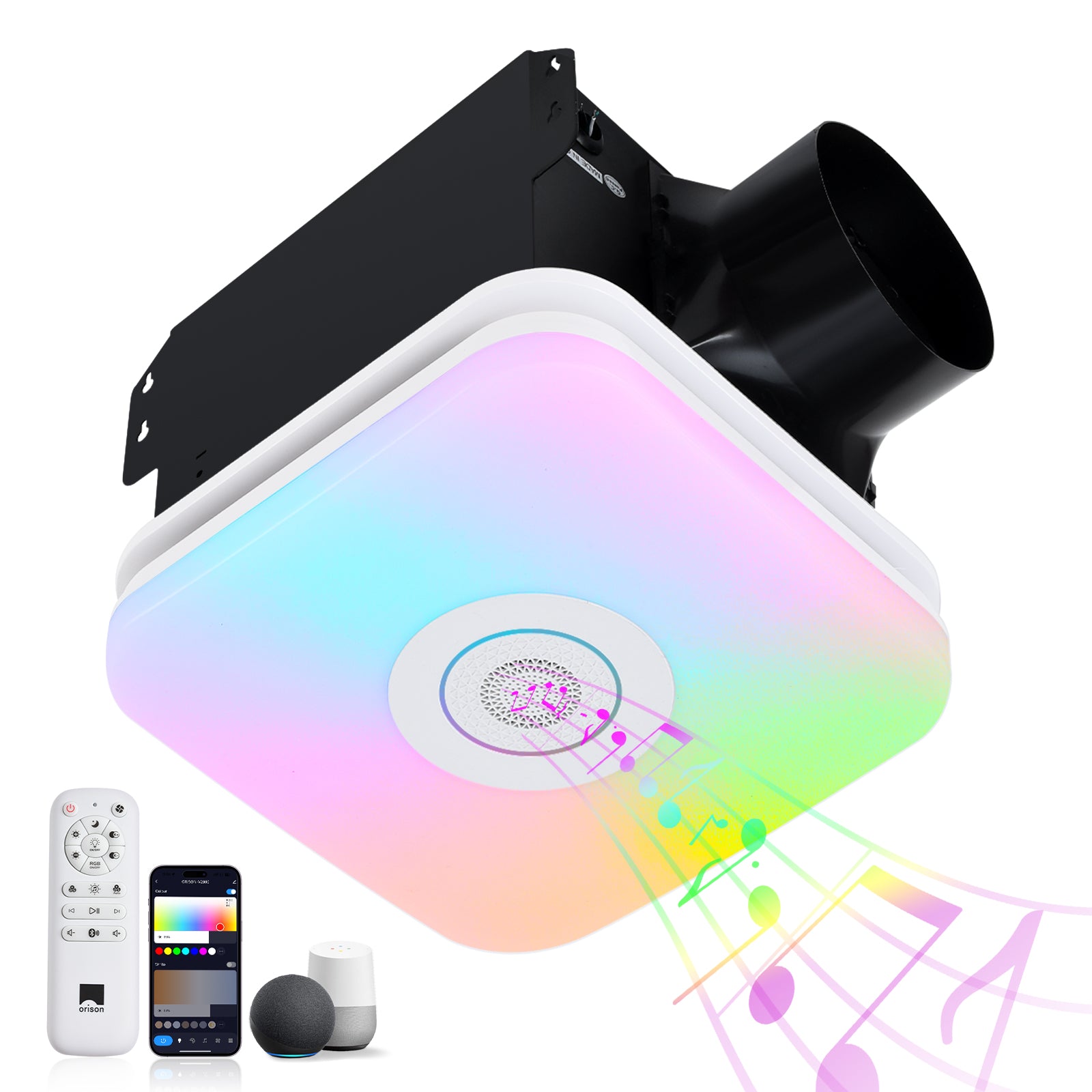
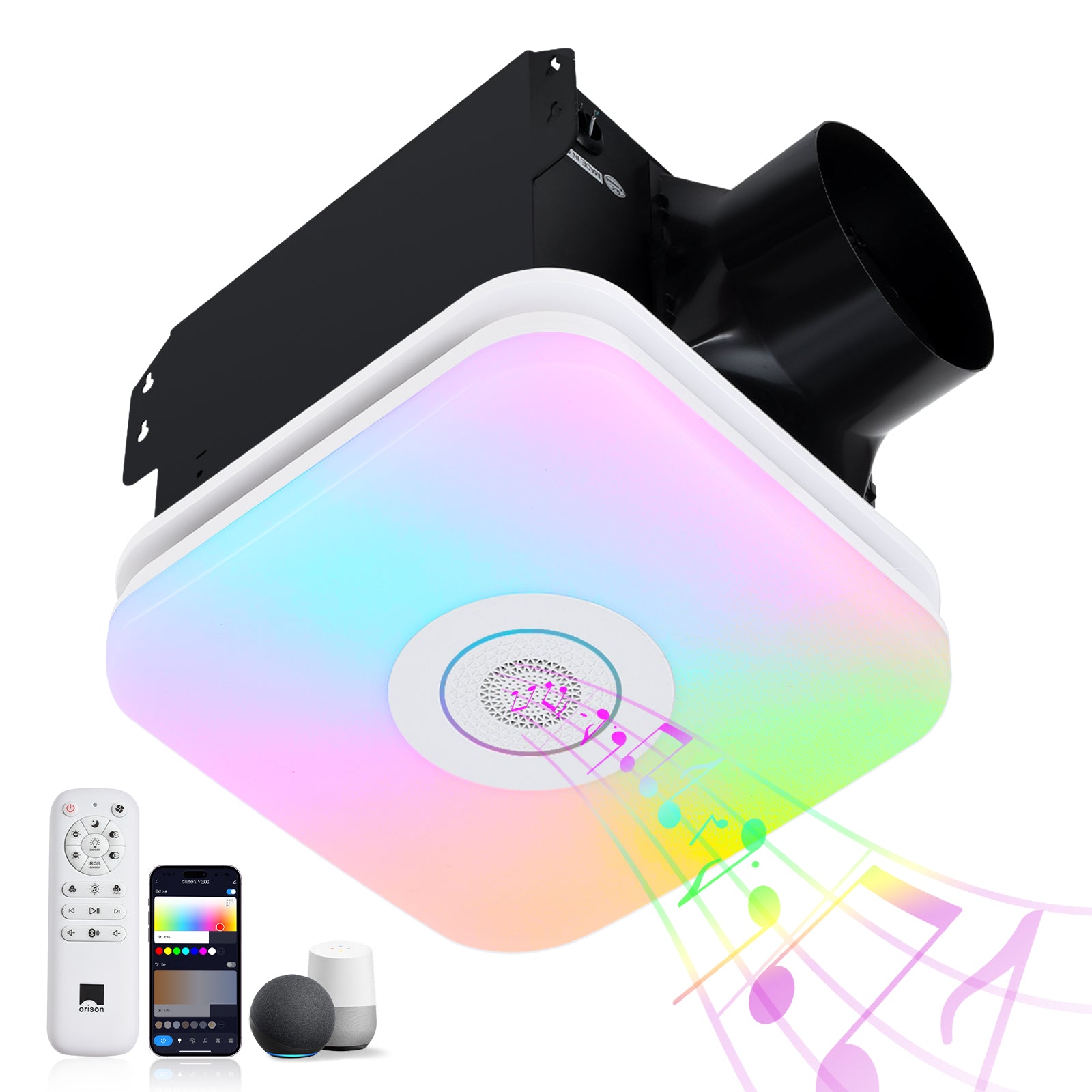
Pond owners and small-scale aeration buyers often face the same recurring issue: a motor that hums, transmits vibration through mounts, and shortens equipment life. That problem is not just annoying — it degrades oxygen distribution, stresses bearings, and increases maintenance. The fix starts at design: balanced impellers, proper motor mounts, and tight tolerances. You’ll see the same engineering priorities in quieter home products such as the bathroom exhaust fan with light, where CFM, sone rating, and isolation all matter for comfort and longevity.
Why factory-direct matters for vibration control
Buying factory-direct means the manufacturer owns tooling, assembly lines, and quality control protocols. That vertical control short-circuits variation that often causes motor hum: misaligned shafts, poorly seated bearings, or off-balance impellers. At the factory level you can demand balancing reports, specified run-out tolerances, and vibration isolation details instead of hoping installers will patch problems later. The result: fewer warranty returns and a device that meets predicted performance on day one.
Core noise and vibration failure modes explained
Three mechanical issues cause most hum and vibration in aeration devices:- Imbalance in the impeller or rotor, which creates cyclical forces.- Resonant mounting to frames or piping, which amplifies small vibrations.- Electrical noise from poorly suppressed motors, felt as hum at certain frequencies.Addressing these requires mechanical balancing, resilient mounting (vibration isolation pads or spring mounts), and simple electrical fixes such as proper grounding and intermittent suppression capacitors. These are common engineering steps used in both pond aerators and household fans with integrated lights or speakers.
Design features that prevent hum — and what to check
Look for suppliers that specify or supply:- Balanced rotors with documented balance grades.- Integrated vibration isolation or defined mounting torque specs.- Low-sone motor housings and damped enclosures.- Specified bearing life and service intervals.These elements tie back to measurable specs: CFM for airflow, sone for perceived noise, and run-out tolerances for mechanical balance. When you review datasheets, insist on empirical test numbers rather than vague claims.
Real-world anchor: standards and proven practices
Guidance from agencies like the U.S. EPA and consensus bodies such as ASHRAE stress that proper ventilation and equipment installation reduce noise and improve system reliability—principles broadly applied in commercial fans and home ventilation. In practice, installers in urban projects around Amsterdam and Boston use specified isolation mounts and balanced motors to avoid complaints. That real-world practice shows standards translate into better outcomes.
Installation tips — common mistakes to avoid
Many users think vibration is solved by tightening bolts; it often makes it worse. Common errors include over-torquing rigid mounts, ignoring flexible ductwork needs, and skipping first-run balancing. A small step that pays off: run a test at the factory or in a staged setup and measure sone level and vibration with a simple accelerometer before final installation — it saves time and prevents callbacks. —
Comparing solutions: in-house vs. aftermarket fixes
Aftermarket pads or dampers can reduce perceived hum, but they’re a mitigation, not a cure. Factory-direct designs that integrate isolation and balance upfront typically offer longer mean time between failures (MTBF) and cleaner acoustic performance. If you’re choosing between retrofit and replacement, evaluate long-term costs: retrofits lower immediate cost but may leave unresolved electrical or rotor imbalance issues that shorten motor life.
Three golden rules for selecting a quiet, durable aeration system
1) Demand measurable specs: require CFM, sone rating, and balance tolerances on the spec sheet. 2) Insist on integrated solutions: vibration isolation and motor electrical suppression should be part of the product, not optional add-ons. 3) Verify with a field trial: real installation conditions reveal resonance and ductwork interactions that lab tests miss.
Bringing it together — why brand-level engineering matters
When a manufacturer controls design and assembly, quiet operation and low vibration become predictable outcomes rather than lucky accidents. That predictability reduces service calls, increases user satisfaction, and protects internal parts like bearings and seals. For homeowners and small operators who want reliable, low-noise ventilation or aeration, products built with these principles deliver measurable value — and when you want a practical, engineered approach to silence and longevity, Orison often aligns those priorities. —