

Introduction: Heat, Speed, and the EV Kitchen
In power electronics, heat is the ingredient that decides the flavor of speed. A liquid cooling module clears that heat like a vigilant sous-chef, so every course lands on time. With liquid cooled ultra-fast charging, stations push 400 kW at up to 1000 V—fast like a flash fry, but with steady control. Picture a depot at noon: four buses arrive, two trucks queue, ambient at 34°C, and power converters stay on full duty. Data says junction temps can rise 1–2°C per second without a proper heat exchanger. The DC bus hums, the IGBT stack strains, the thermal margin thins (you can almost smell it). So the question is simple: how do we plate that power without burning the dish?
We measure, we prep, we serve. Reduce thermal resistance, move the calories of heat out fast, and keep silicon inside its comfort zone. That means short coolant paths, a balanced manifold, and a cold plate that spreads load like butter on toast. Fans can whip the air, but airflow is a fickle flame—gusty, uneven, and loud. Liquid, by contrast, gives repeatable control. The goal is savory throughput with no bitter aftertaste. Next, let’s look at where the old recipe falls short, and why the new one scales—cleanly.
Under the Hood: Why Air Falls Short When Watts Surge
What breaks first in the old setup?
Air cooling hits a wall when current surges. Look, it’s simpler than you think. Air has low heat capacity, so you need big fans, big ducts, and still get hot spots. Filters clog. Acoustic noise spikes past 70 dB. The EMI filter heat-soaks beside the rectifier, and thermal resistance stacks up at every seam. In dust or salt-laden sites, airflow maps go out the window—funny how that works, right? Derating starts early, and the cabinet grows just to hold more fans. At peak, the DC bus sees higher ripple because parts run hot and shift value. That means less stable charging, more stress on power converters, and shorter service life.
Field pain feels small until it isn’t. Uneven airflow cooks the top module first; IGBT junctions swing from 65°C to 95°C within a single fast session, flirting with thermal runaway. Service techs swap filters on short cycles, and downtime steals throughput. In rainy seasons, doors stay closed to keep IP ratings, but then airflow drops. When you need 300–400 kW continuous, the old cabinet wheezes, then derates. With liquid cooled ultra-fast charging, the coolant manifold keeps flow predictable, and the cold plate evens out heat flux. Smaller delta-T, steadier duty cycle, fewer surprises. Air has its place for light loads. Heavy heat is a different meal.
Comparative Lens: Principles That Change the Game
What’s Next
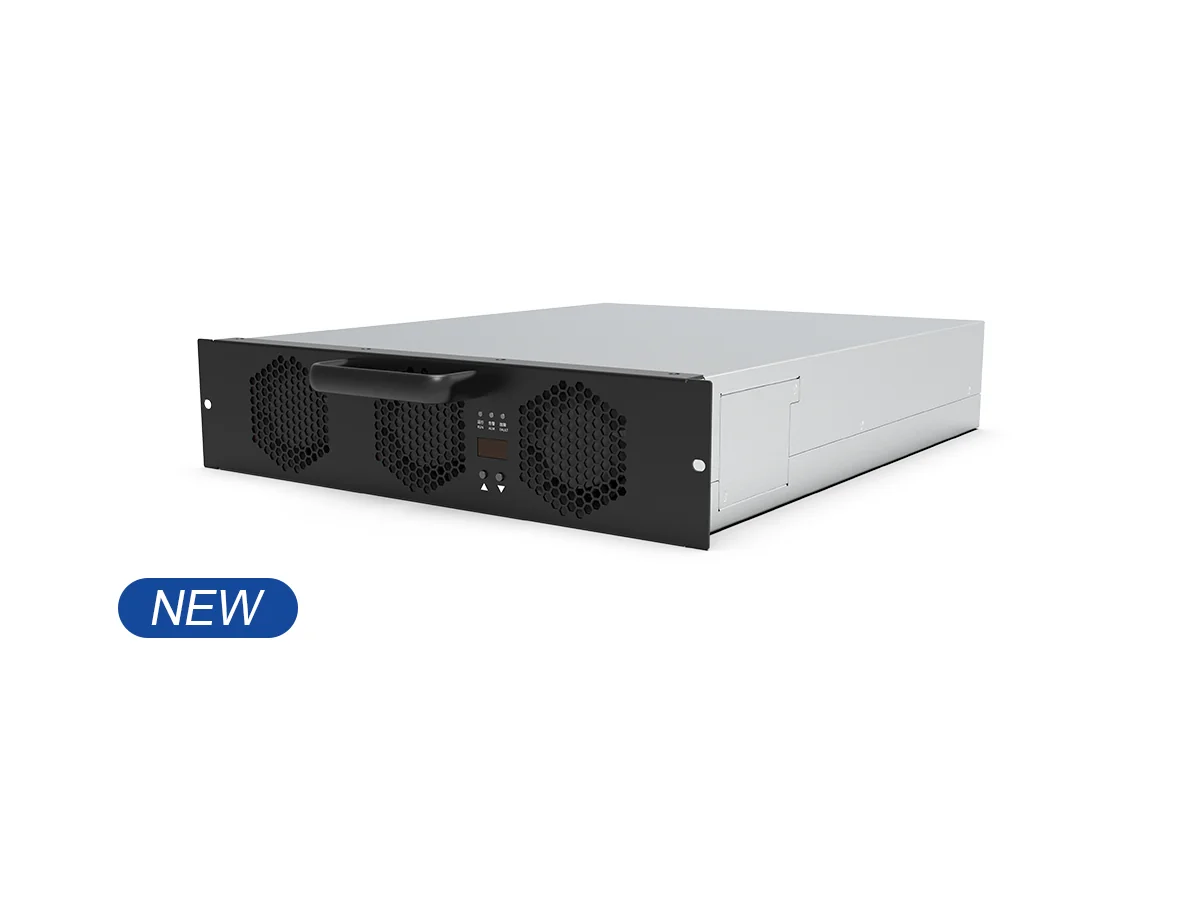
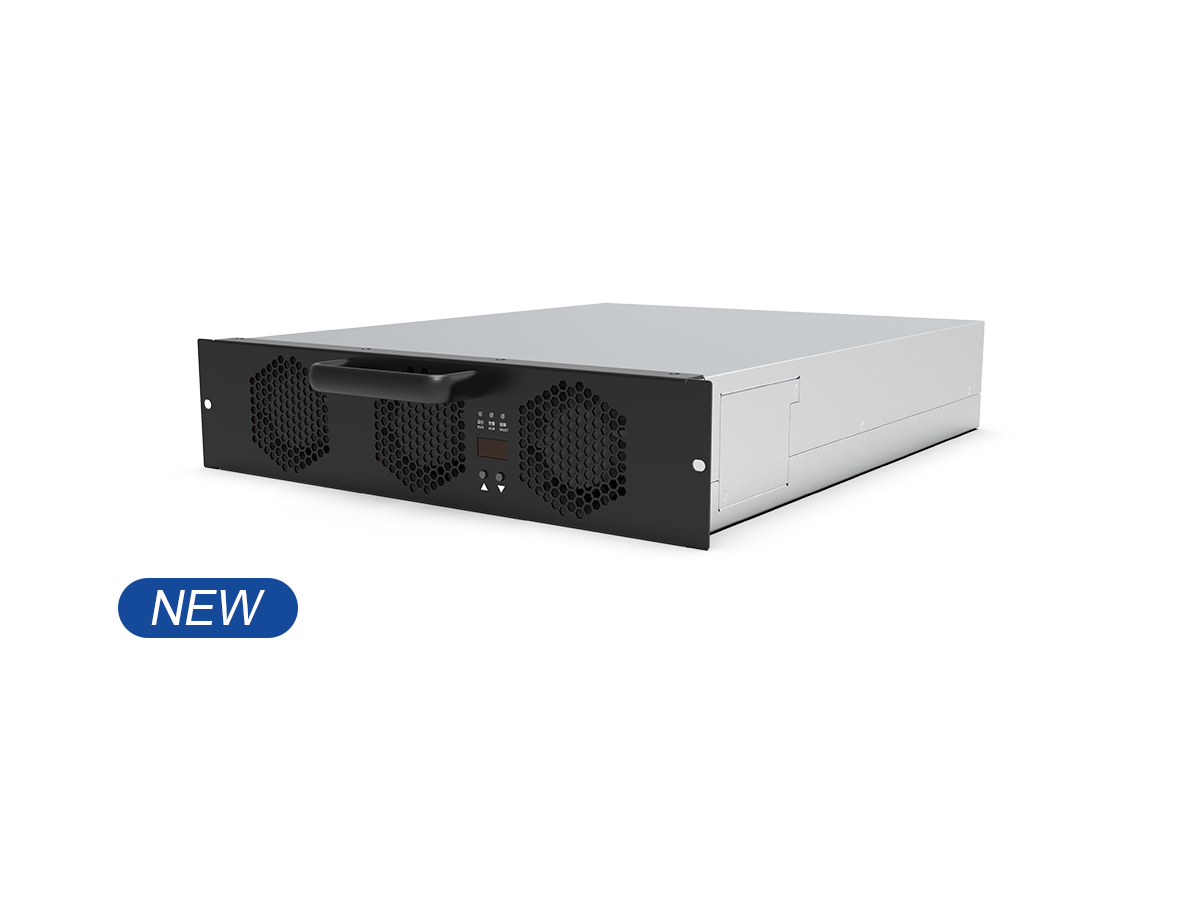
The new playbook leans on physics you can trust. Conduction first, then controlled convection. The liquid-cooled charging module routes glycol through a cold plate mated with low-impedance thermal interface material, keeping path length short and repeatable. A compact plate heat exchanger dumps energy to ambient with stable pump curves, so temperature stays flat even during step loads. Sensors feed a tight control loop over CAN, trimming flow as the duty cycle rises—waste less, cool smarter. Compared with air, you trade chaotic vortices for laminar, known math. Edge computing nodes on-site can even forecast peak windows and pre-stage coolant temp. Less noise, lower kW overhead, higher uptime. That is the core principle: move heat like a chef moves mise en place—everything in order, nothing in the way.
So, how do you choose the right path without the guesswork? Here are three clear metrics. One: thermal performance per volume—target kW per liter with a measured delta‑T at 40°C ambient; it shows real density gains. Two: lifecycle overhead—cooling power draw as a percent of station output across a standard profile, not just at idle (5–8% is a strong mark). Three: maintainability—mean time to service the pump and seals, plus filter interval if any; less than 20 minutes MTTR keeps bays earning. We’ve seen how air falters under surge and how liquid keeps a steady plate. Keep the test simple, keep the data clean, and let physics pick the winner. For a deeper technical reference and product context, see winline technology.